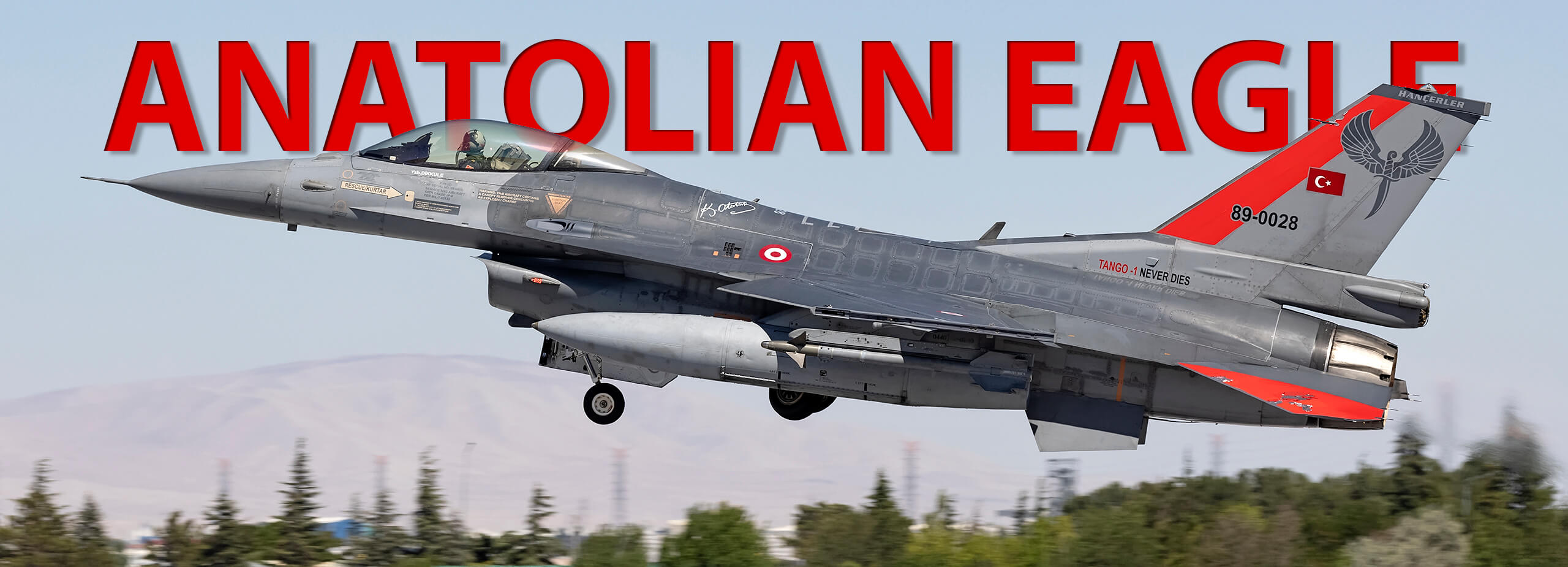
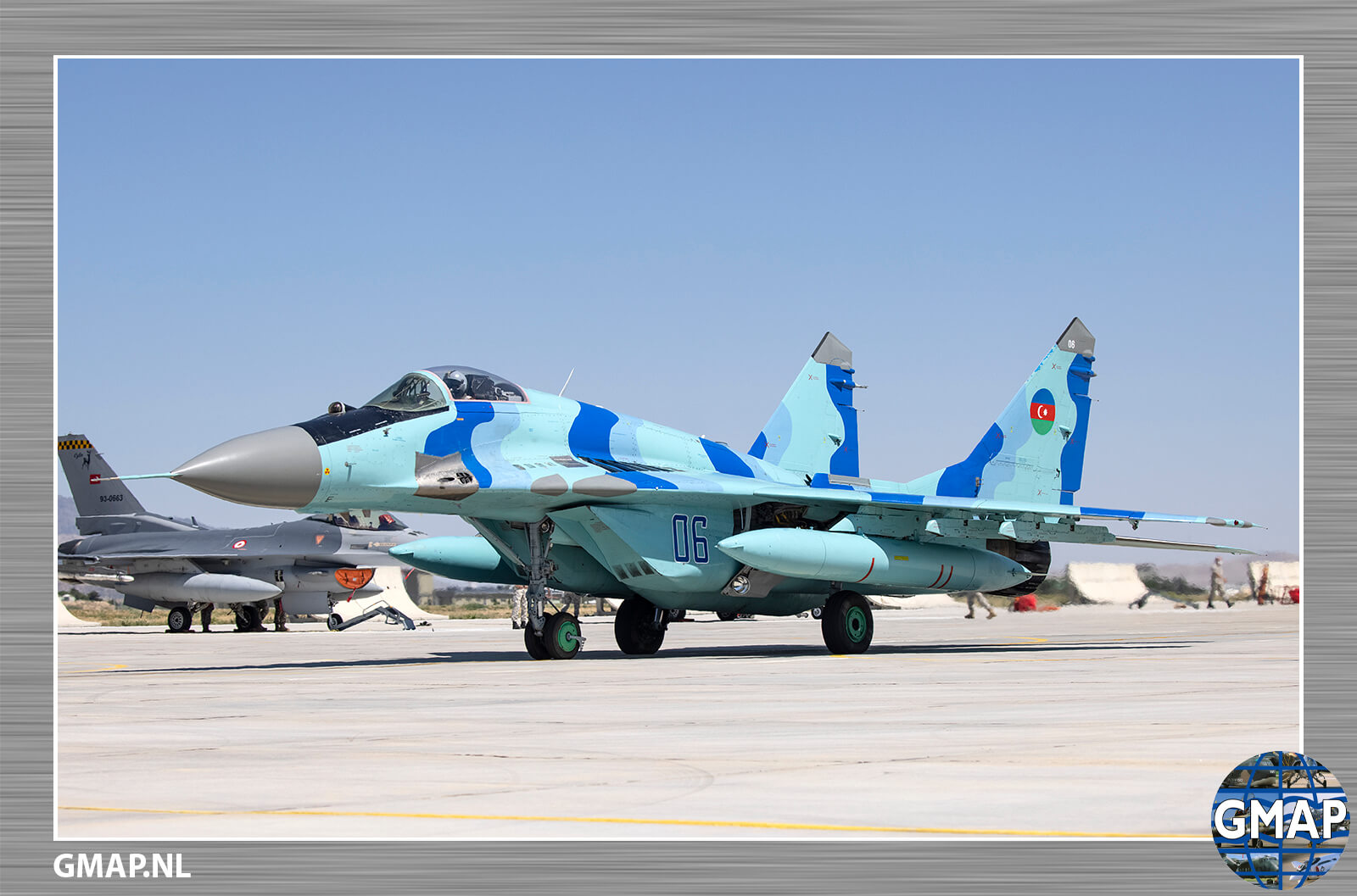
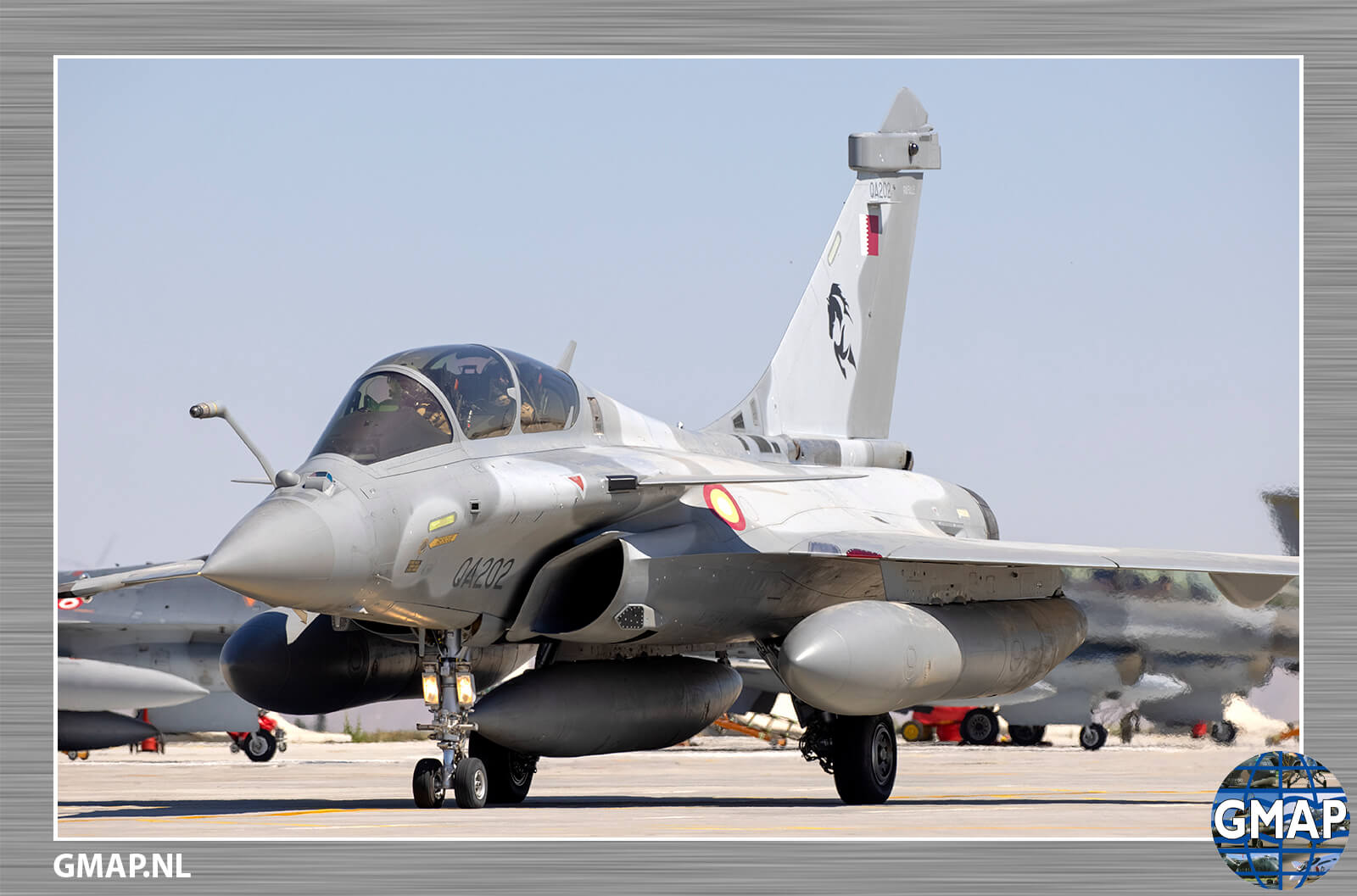
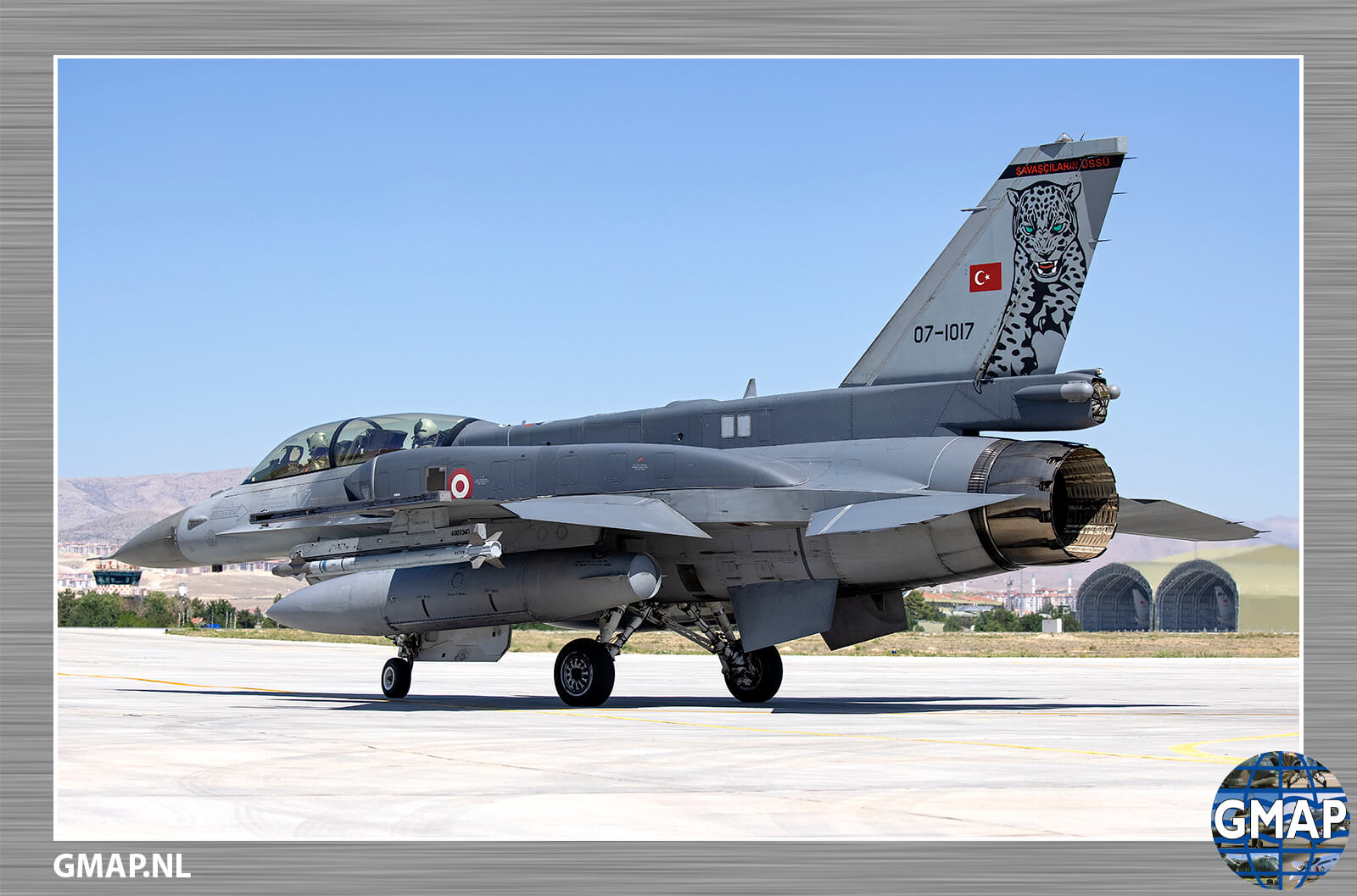
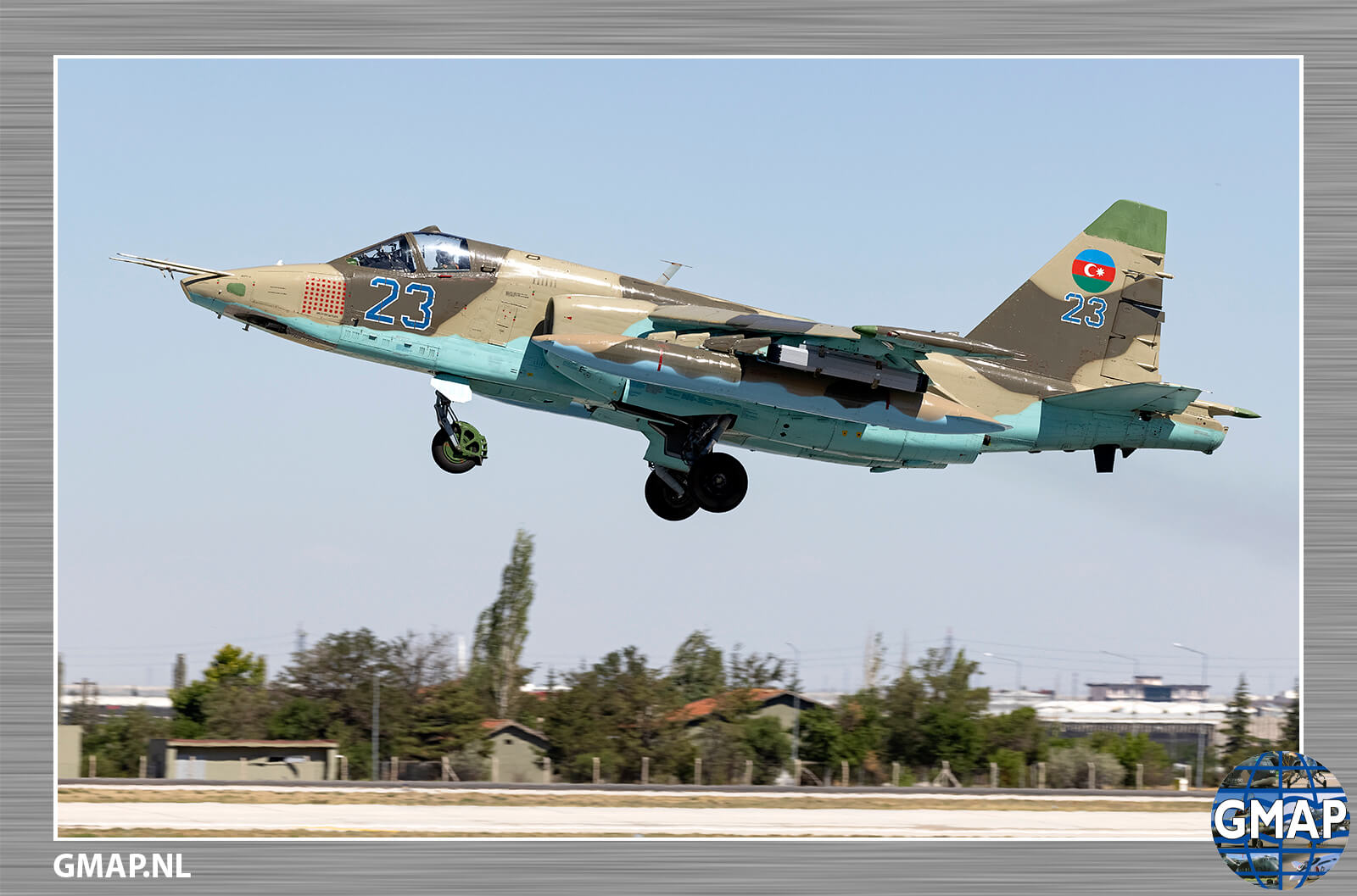
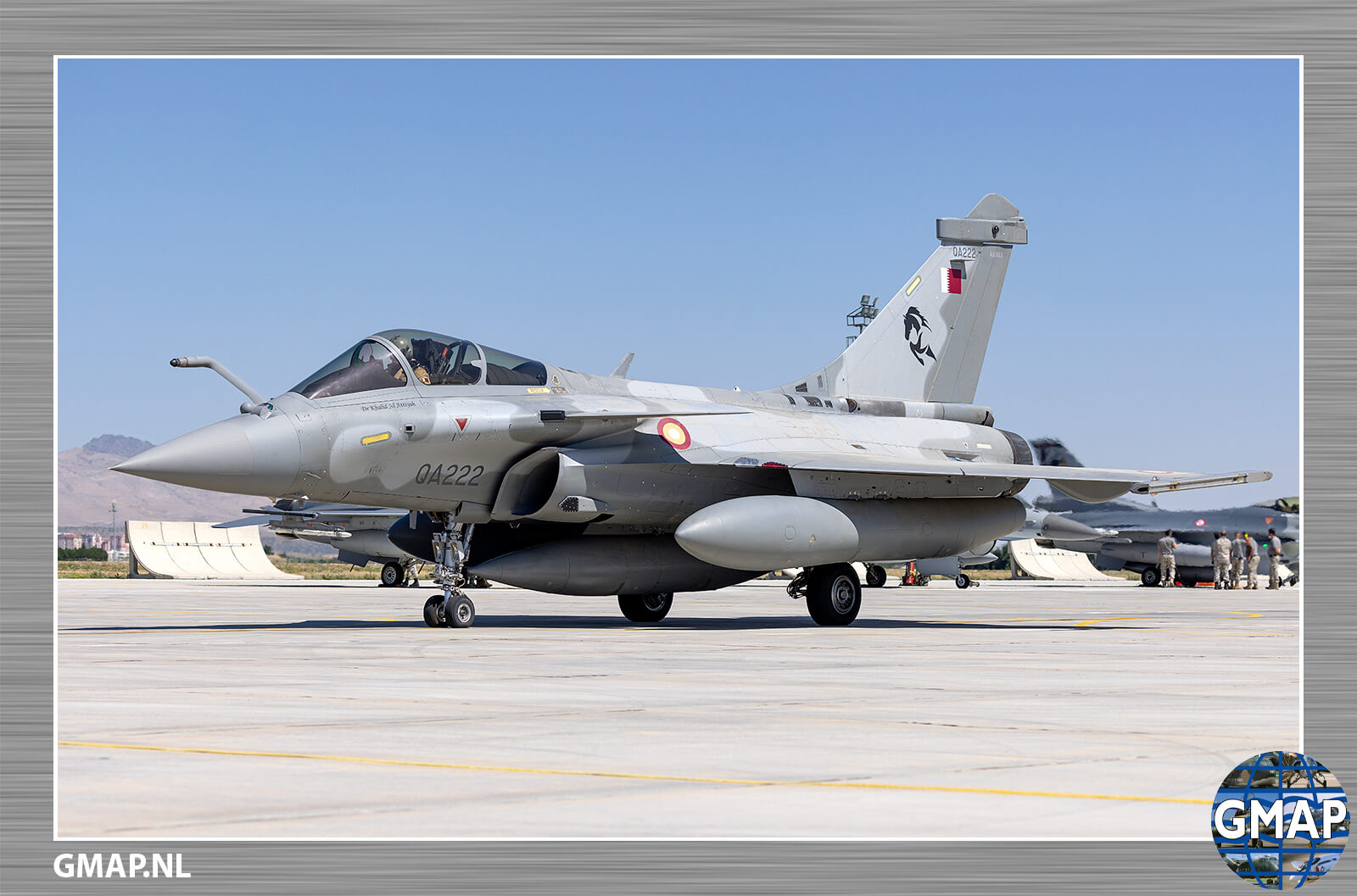
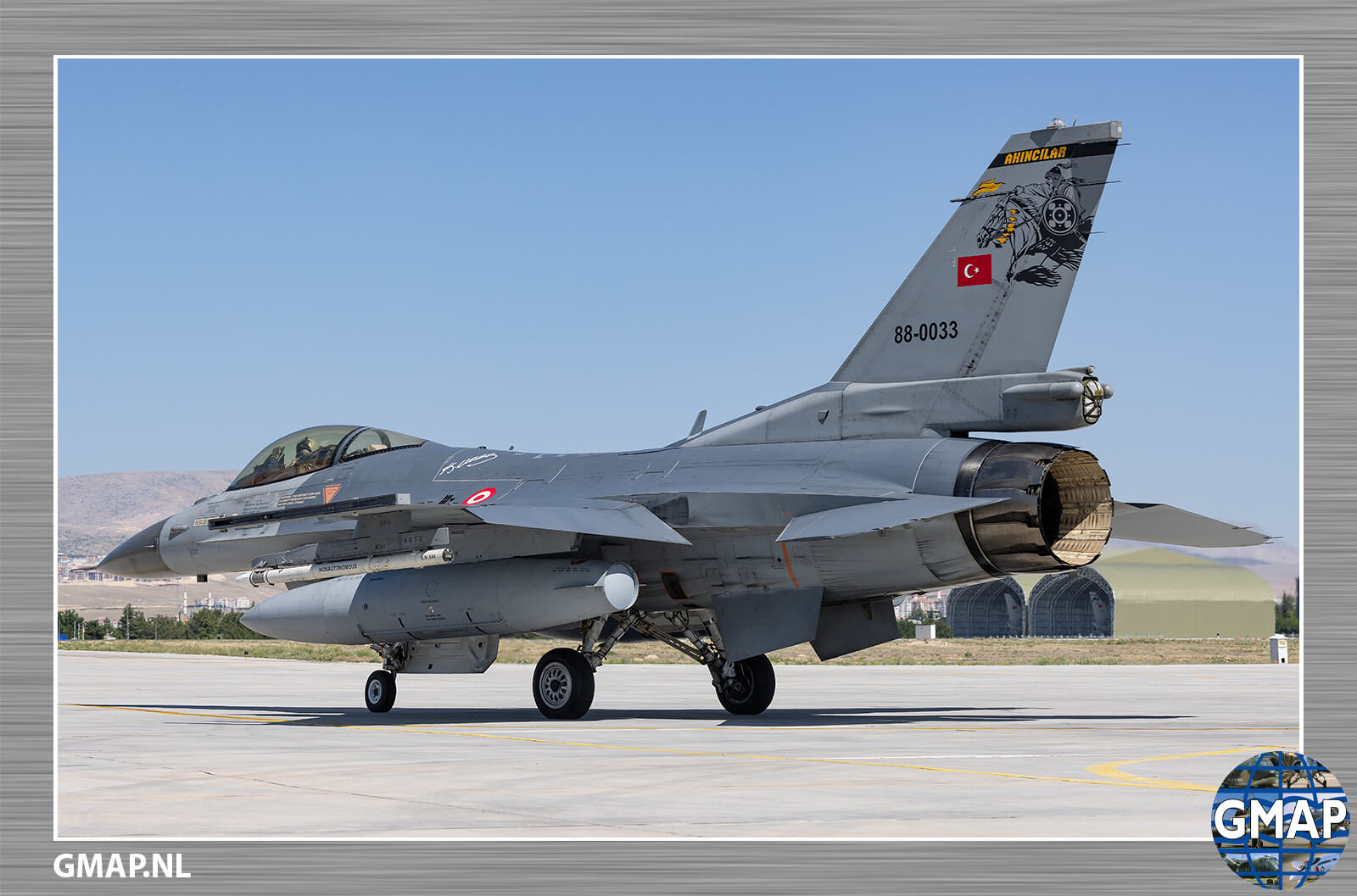
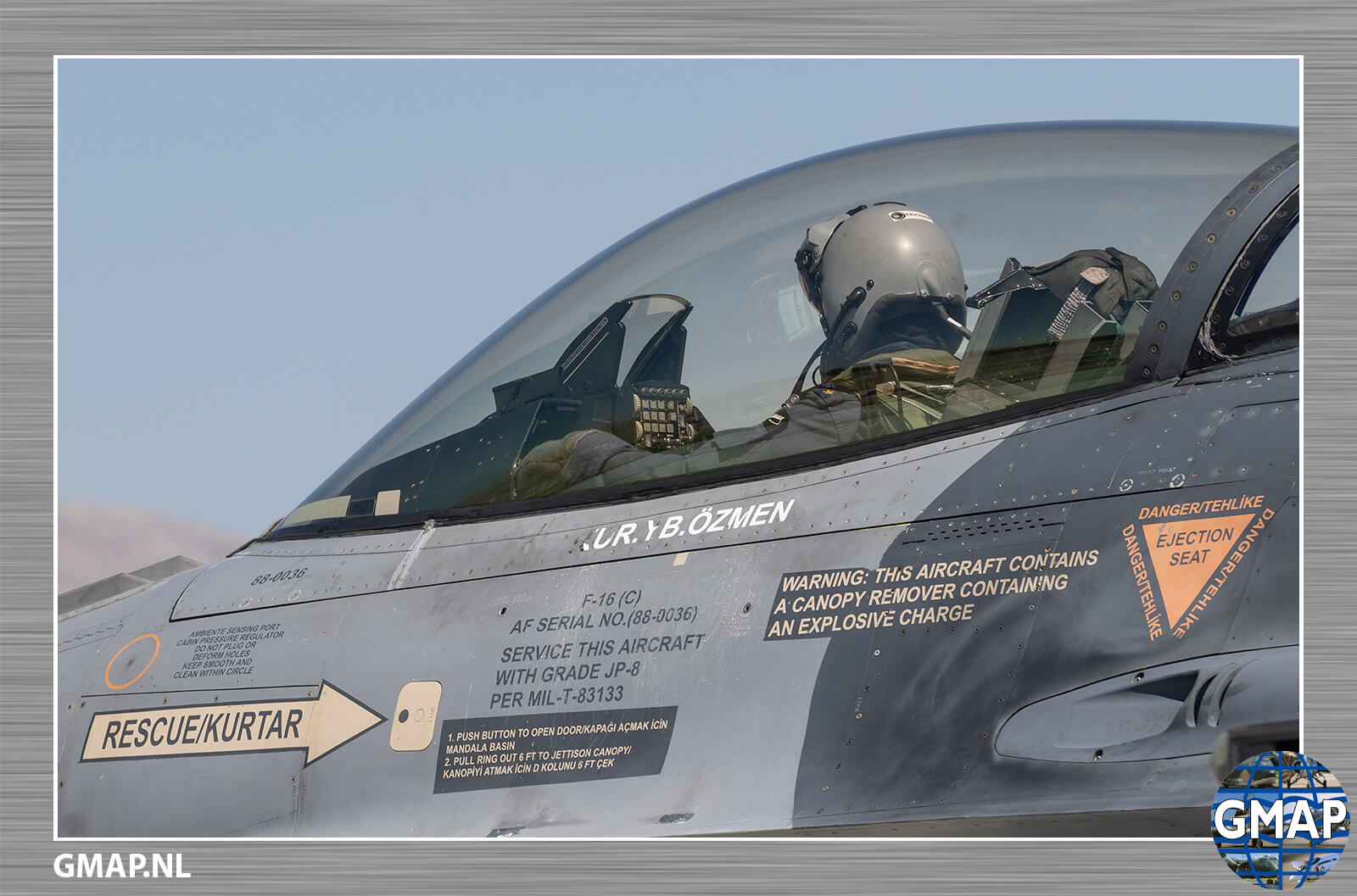
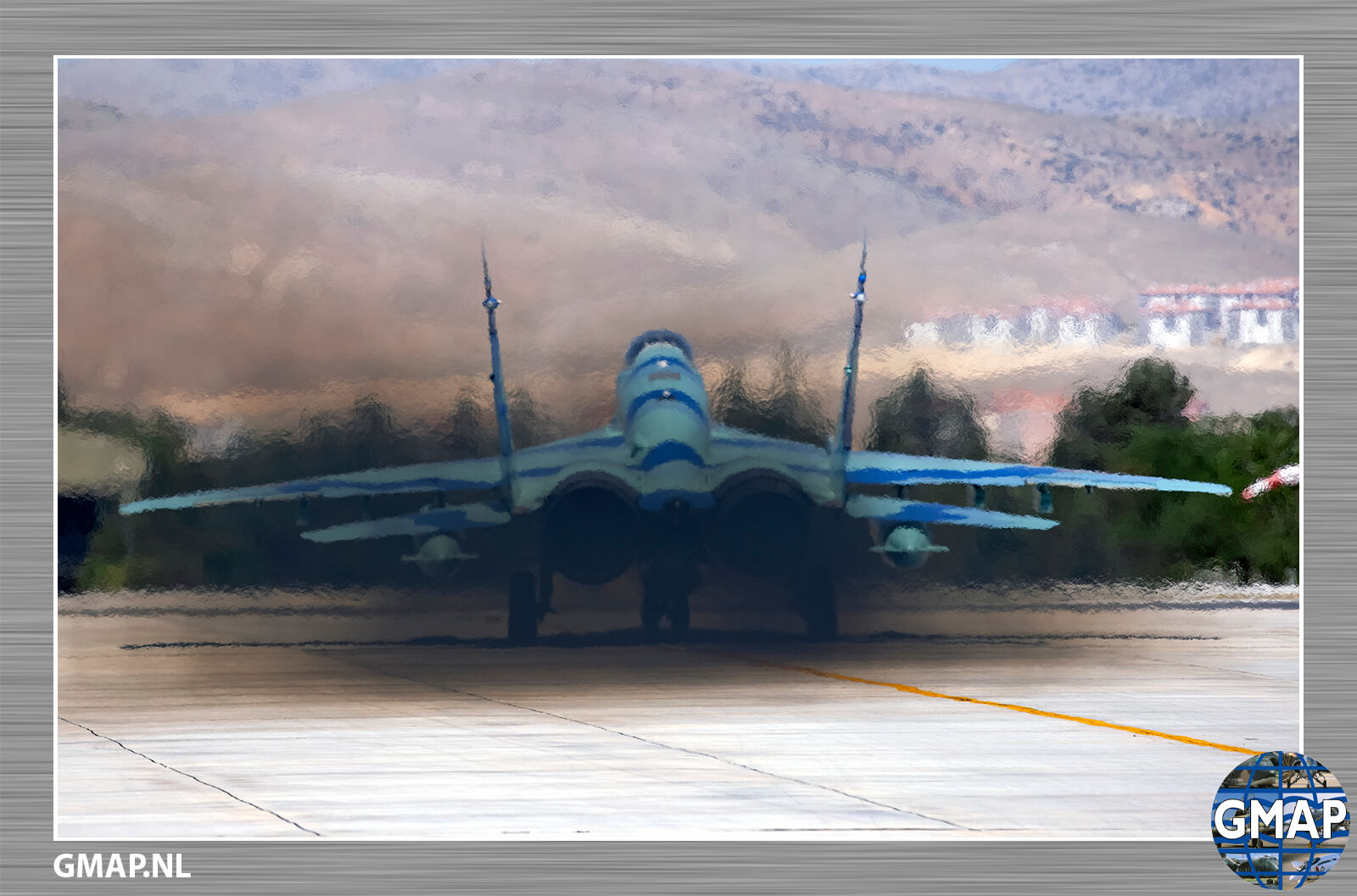
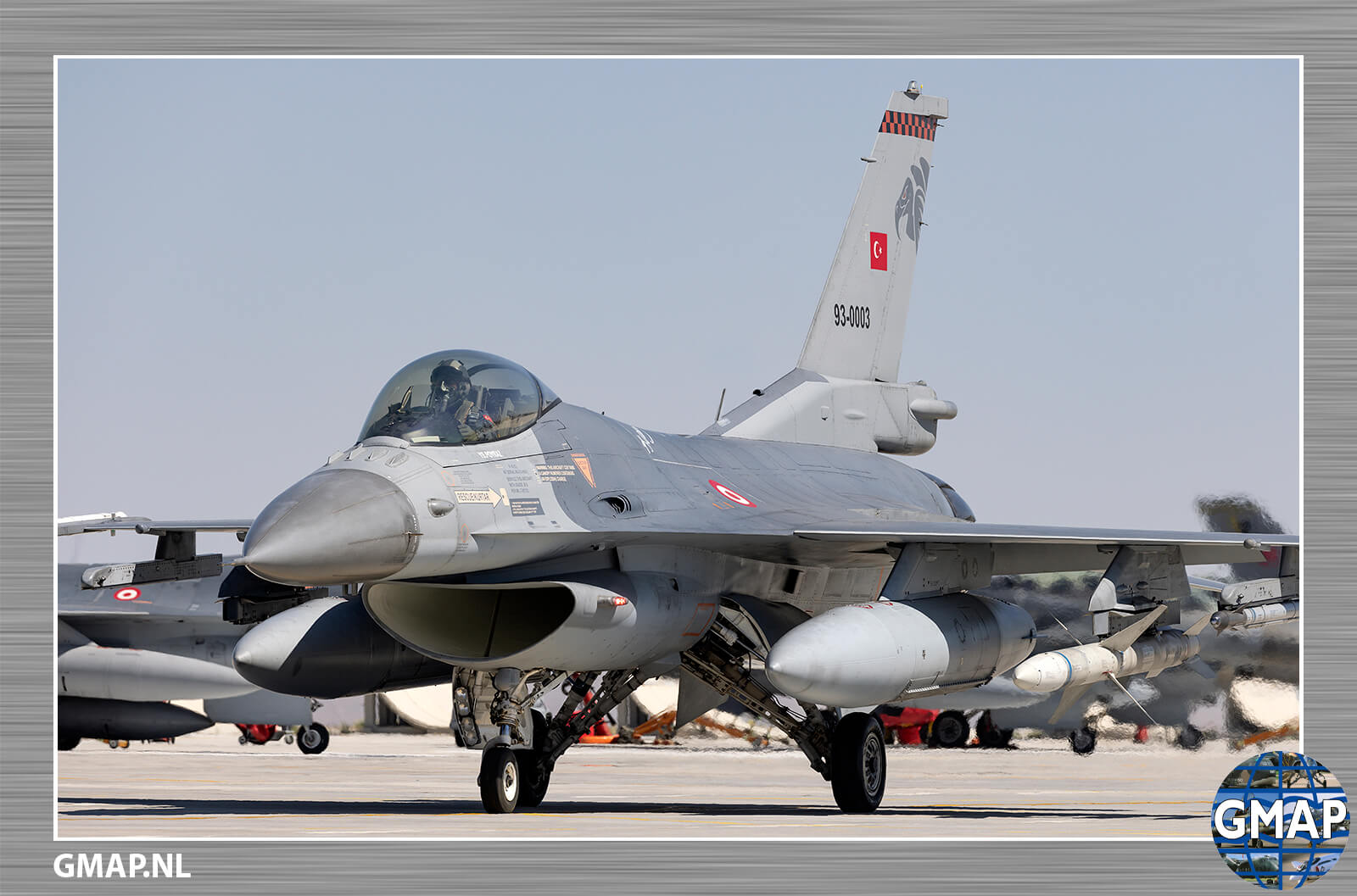
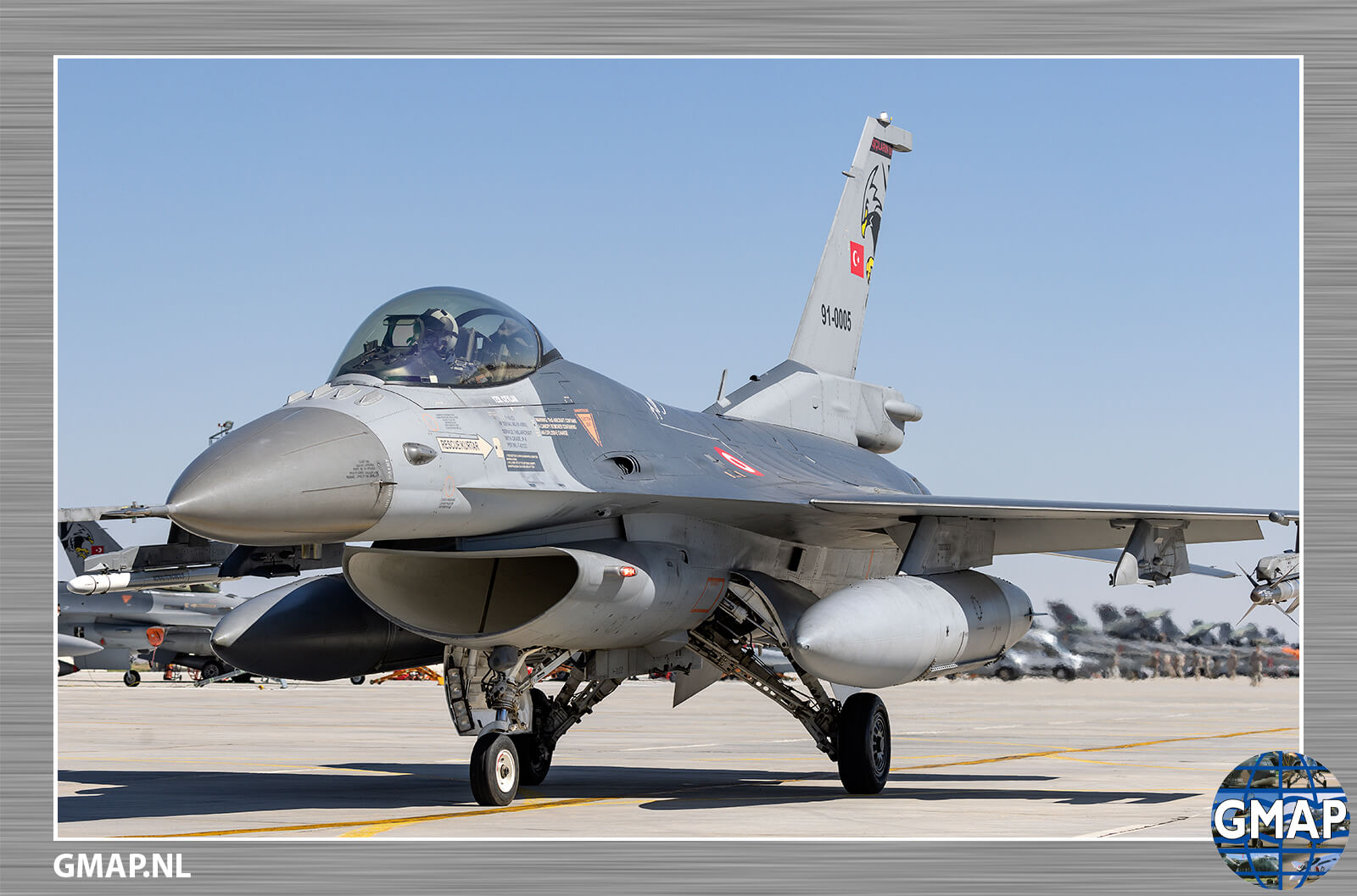
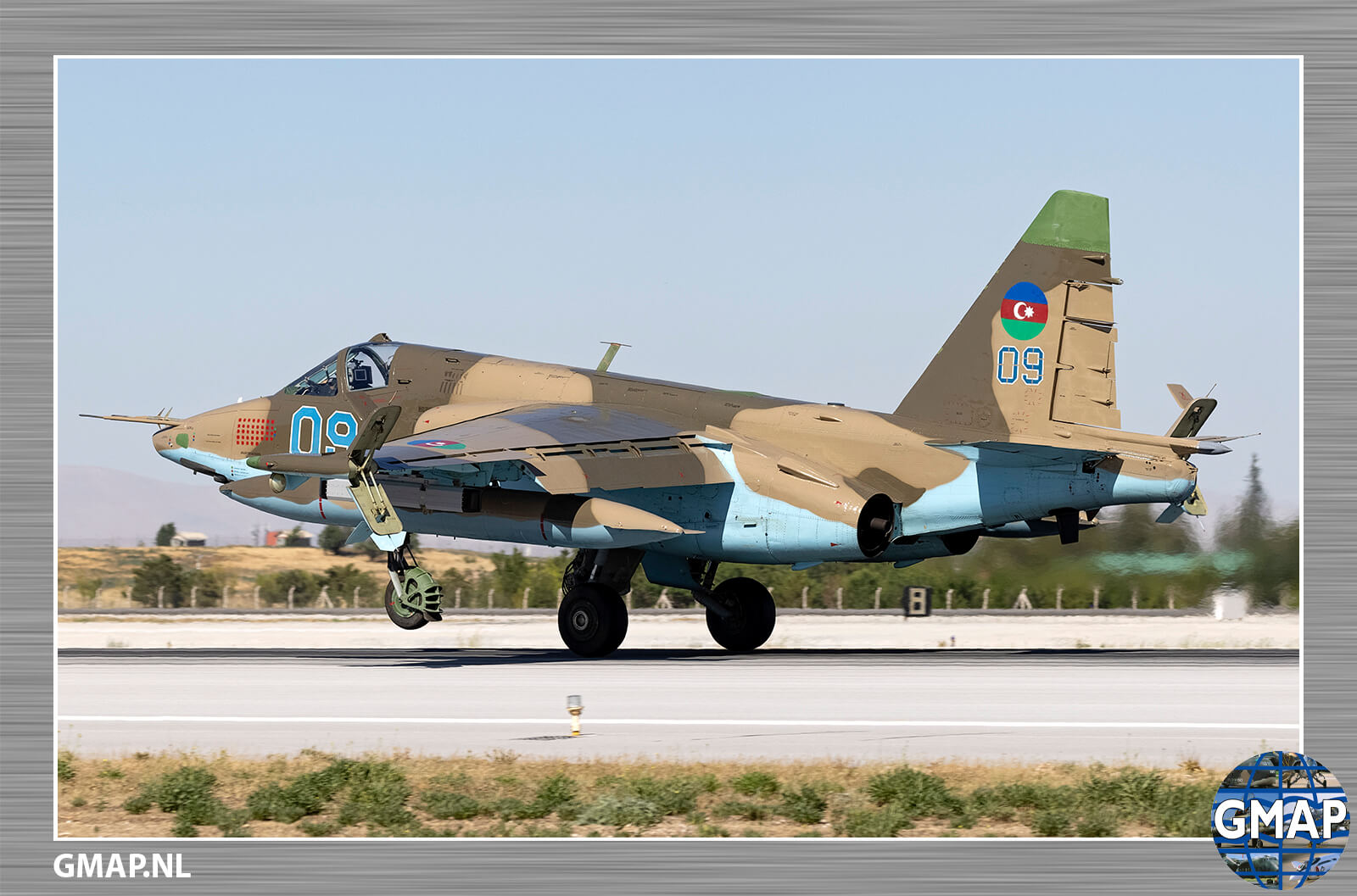
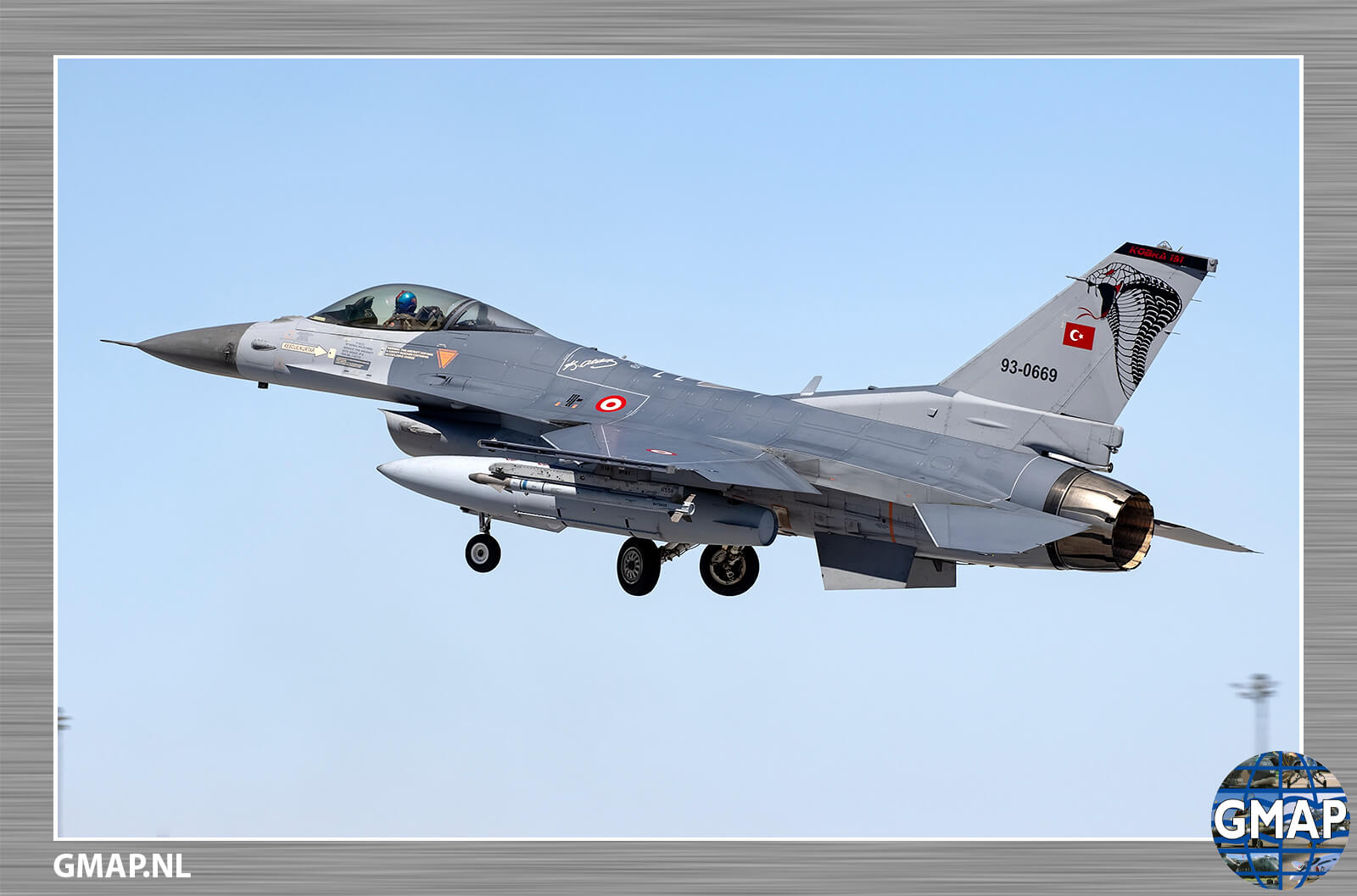
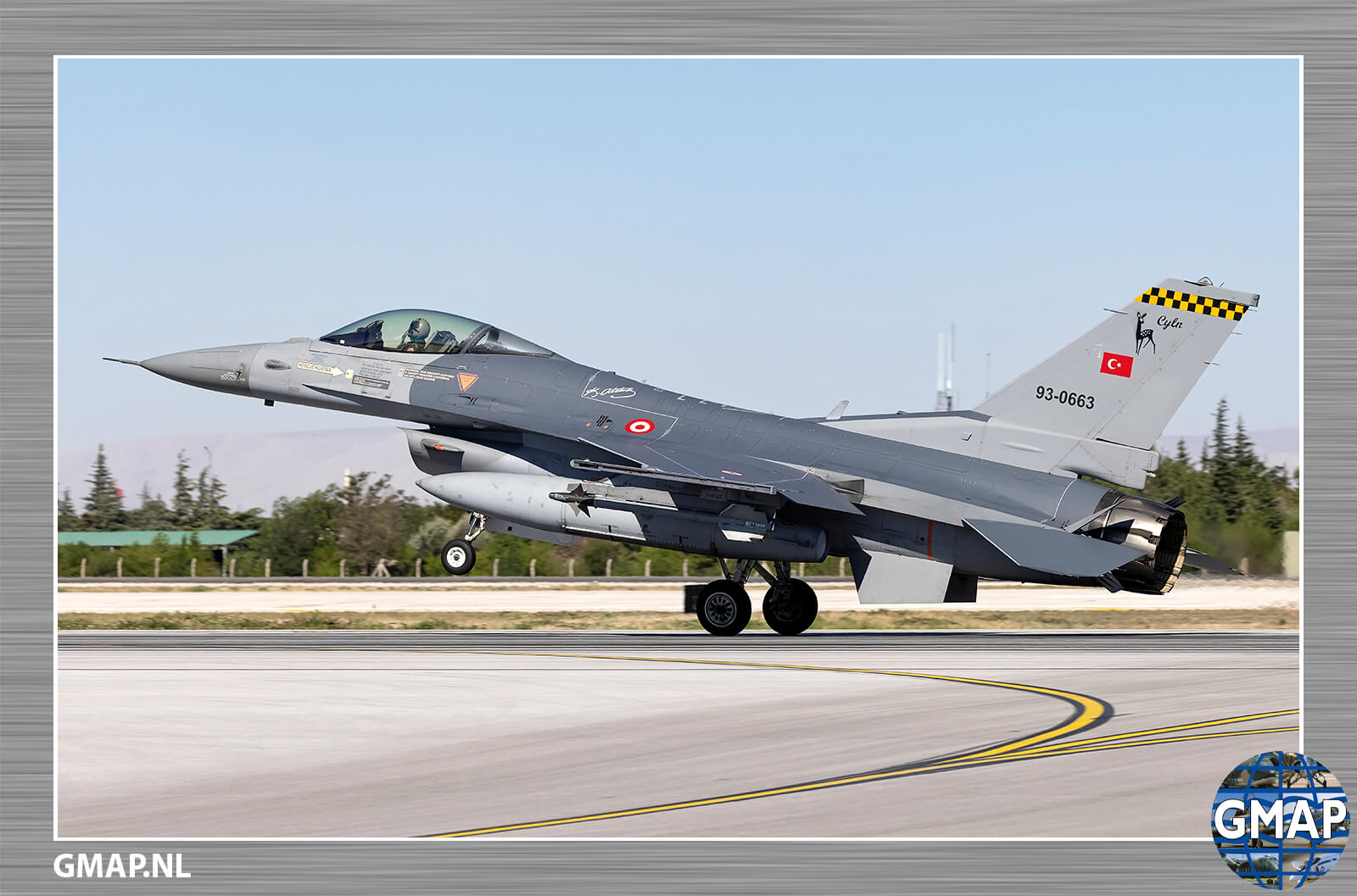
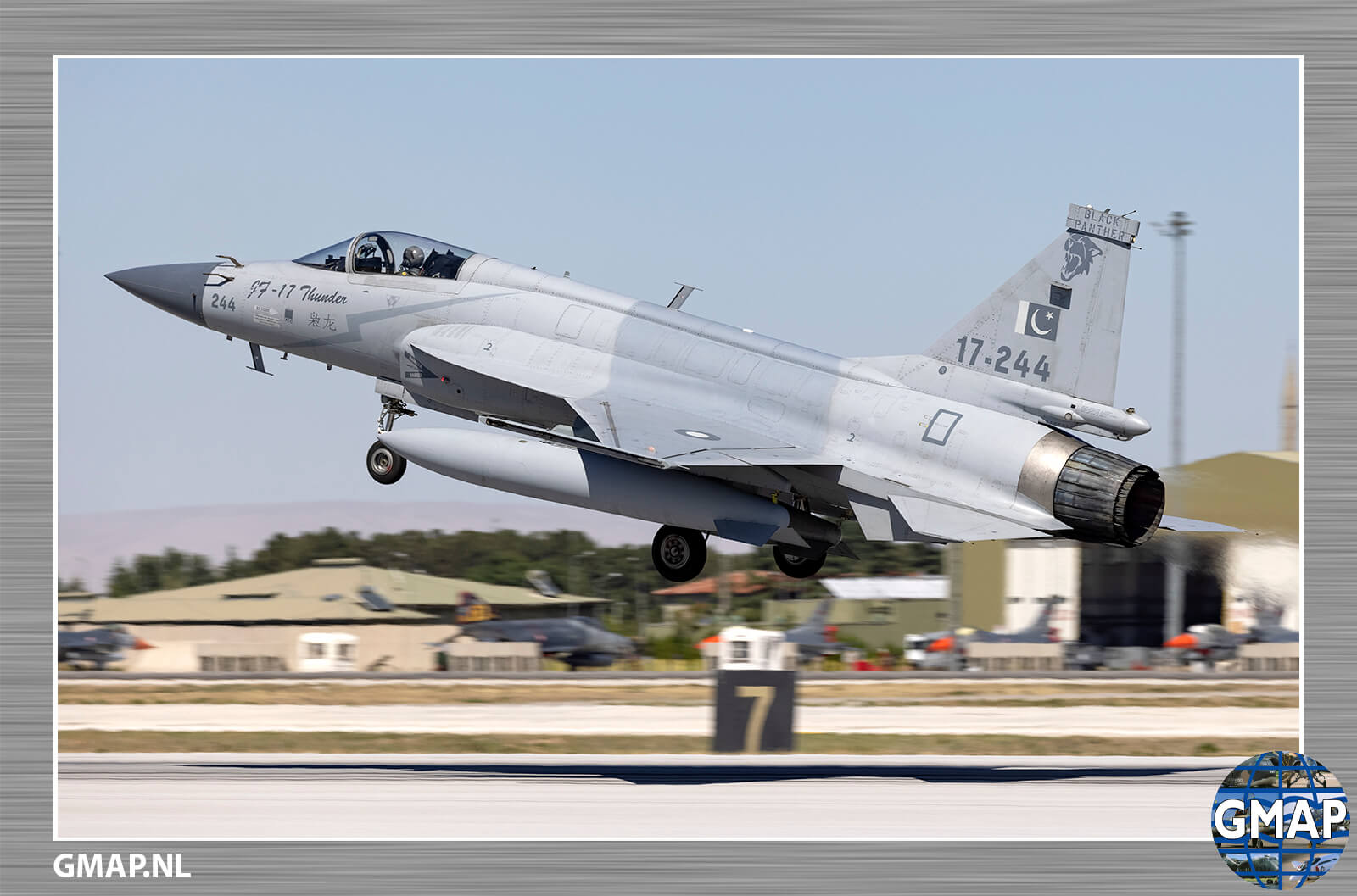
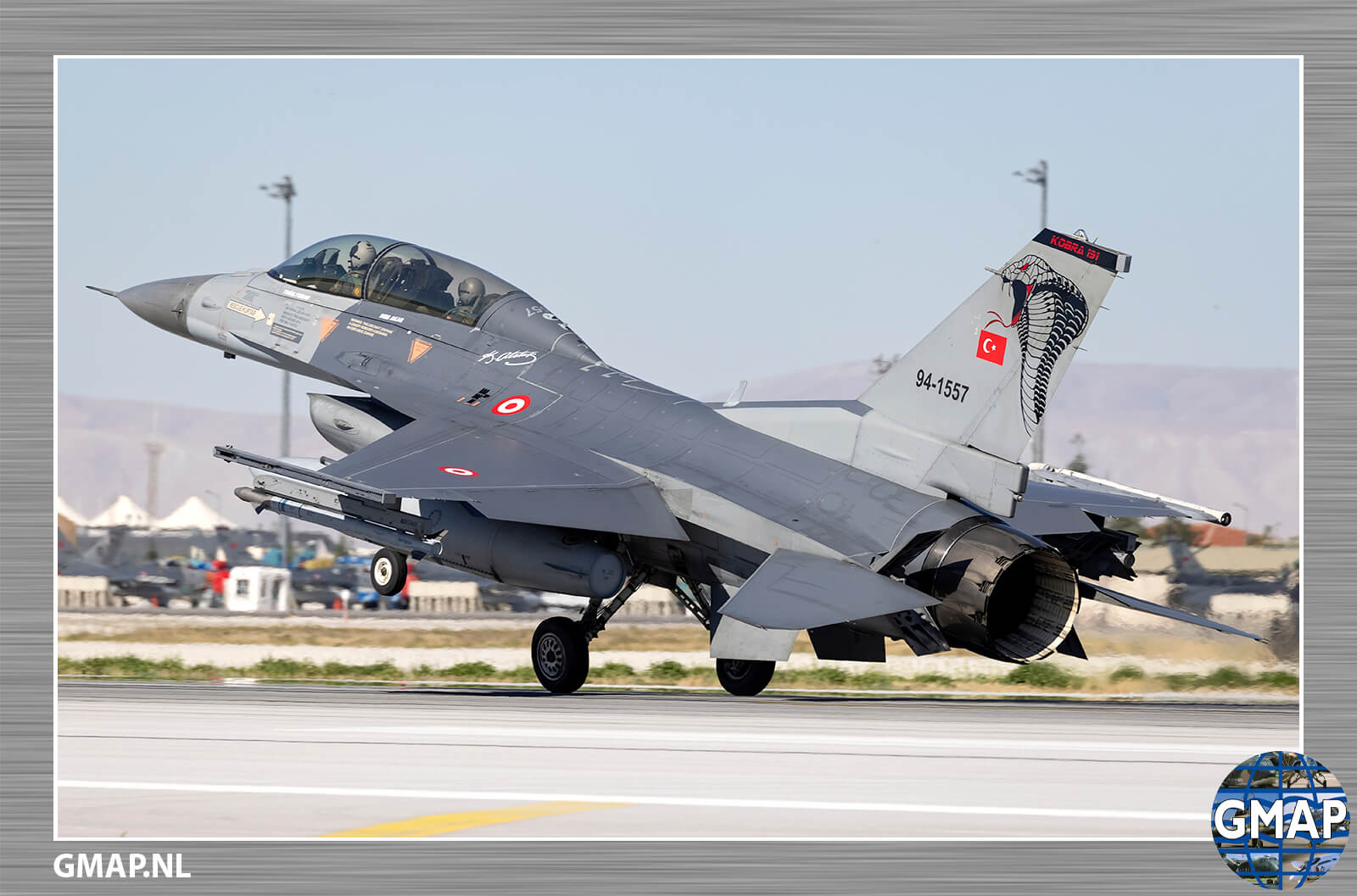
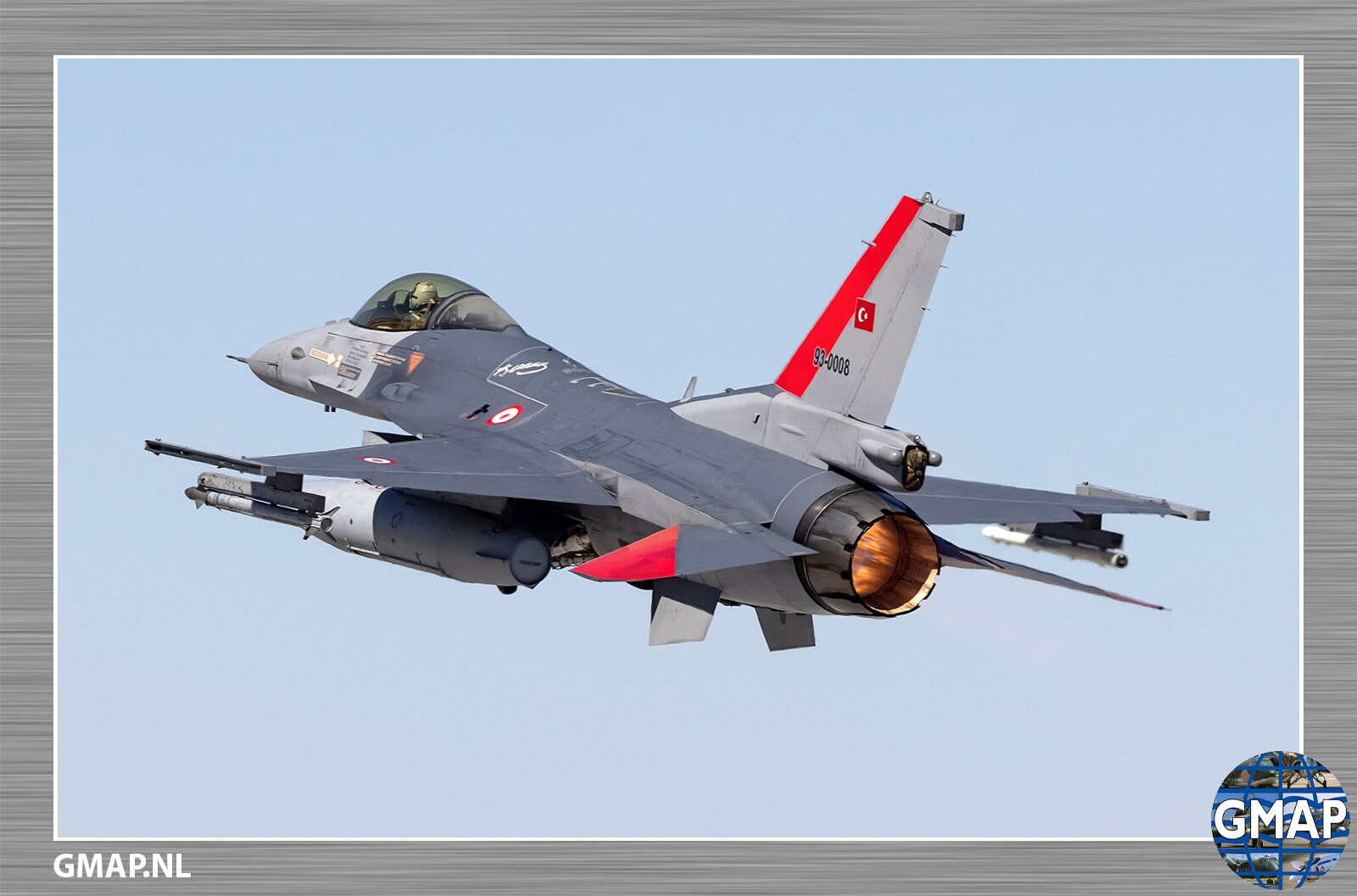
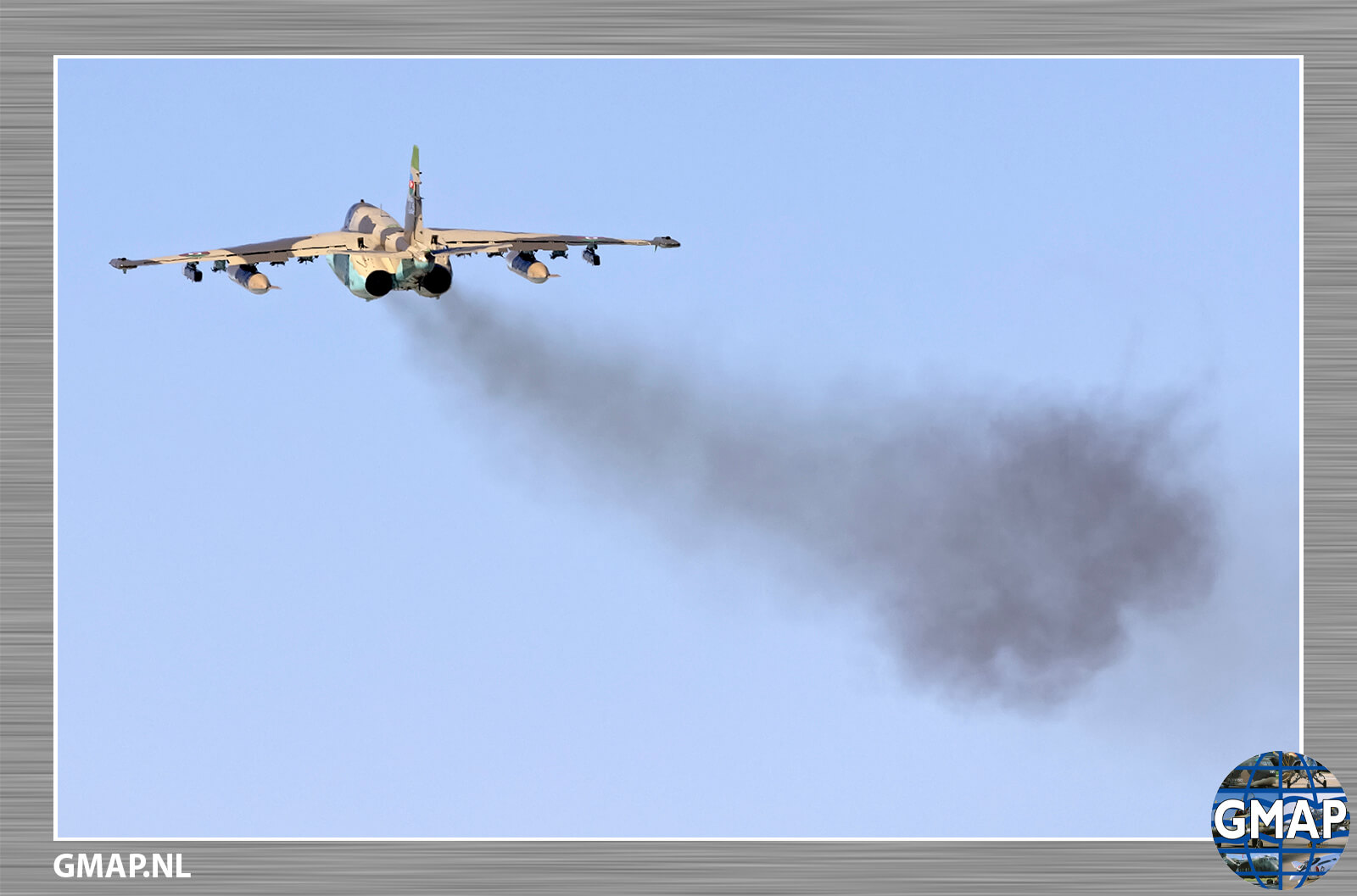
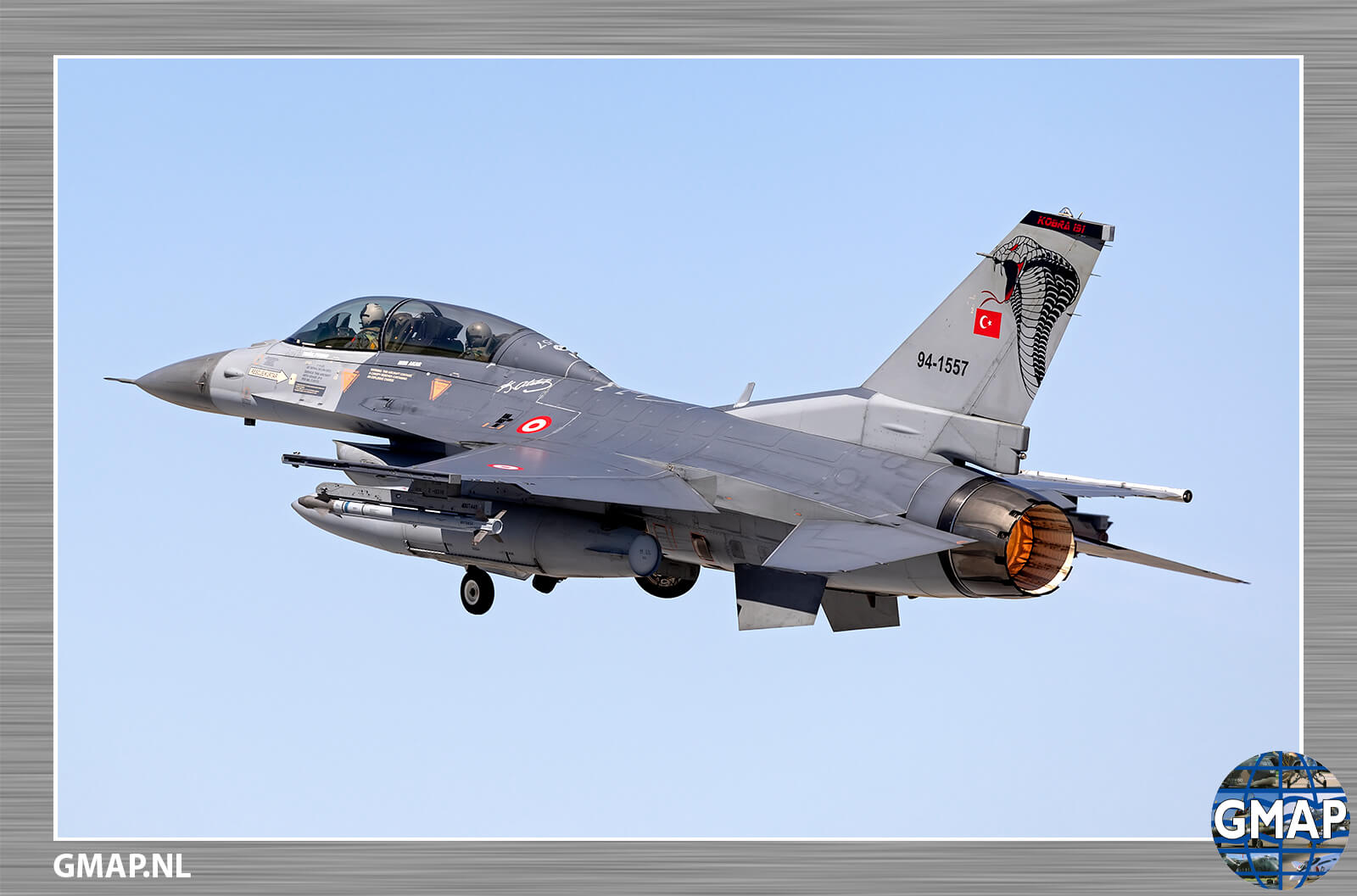
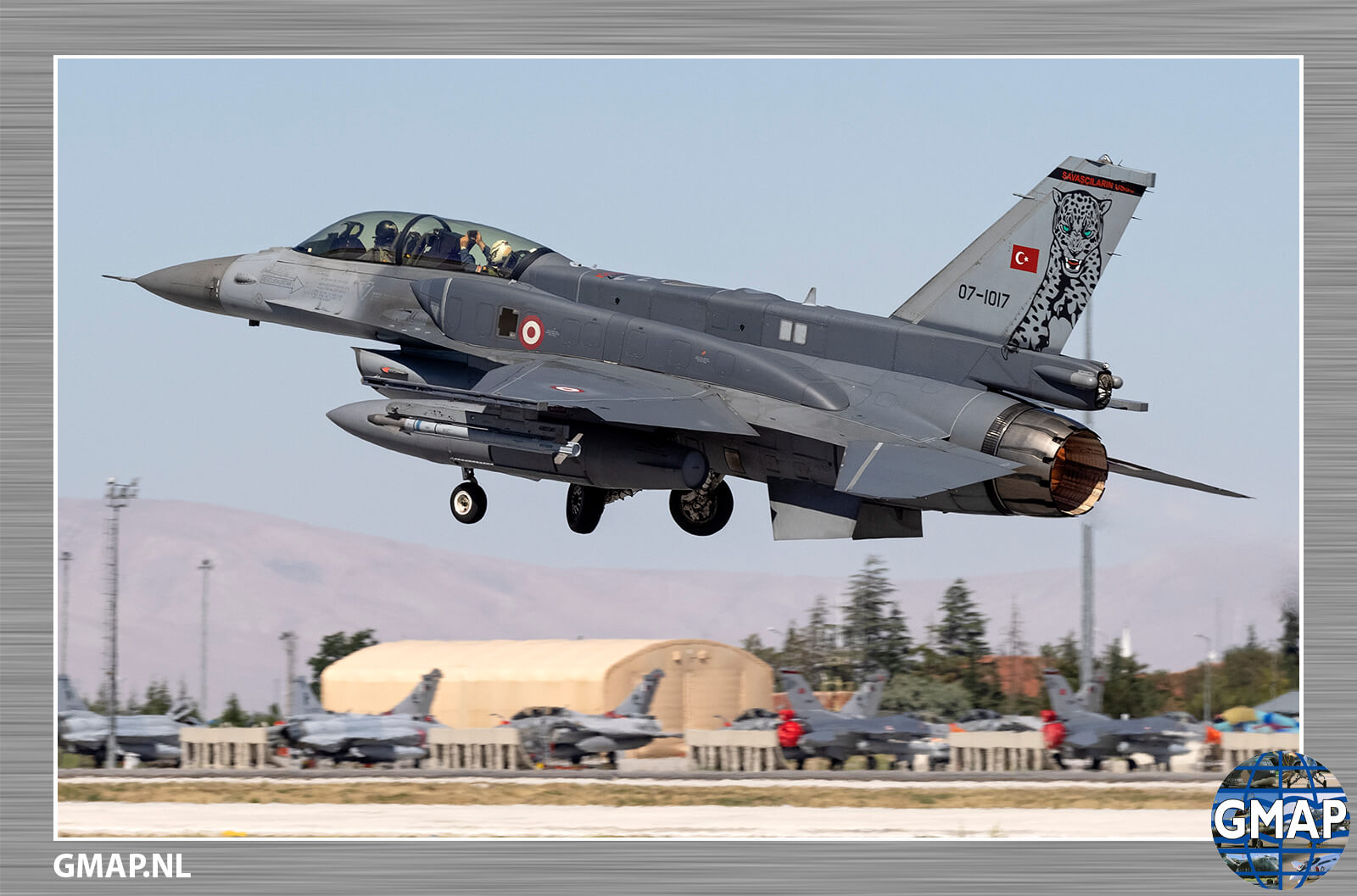
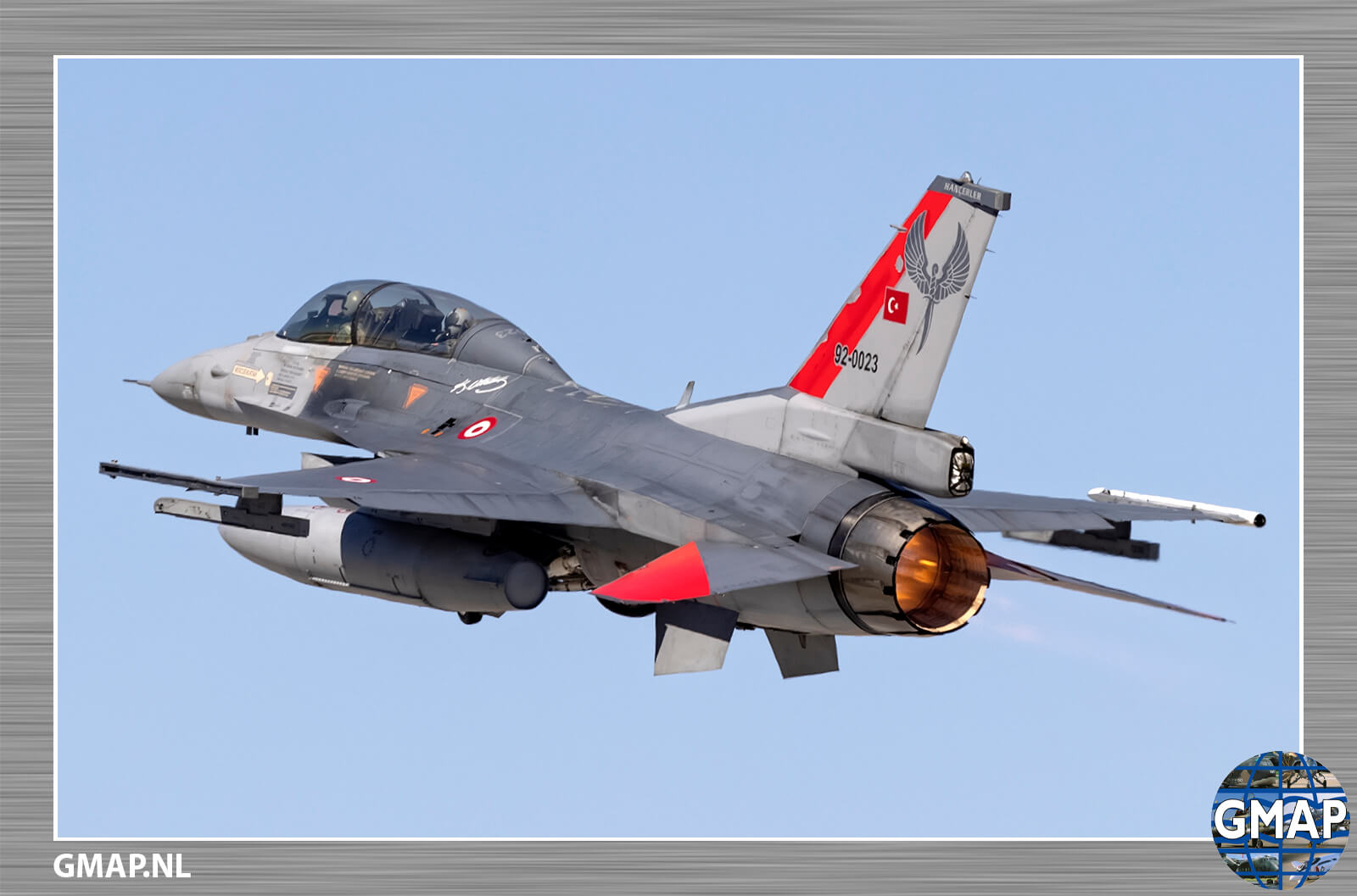
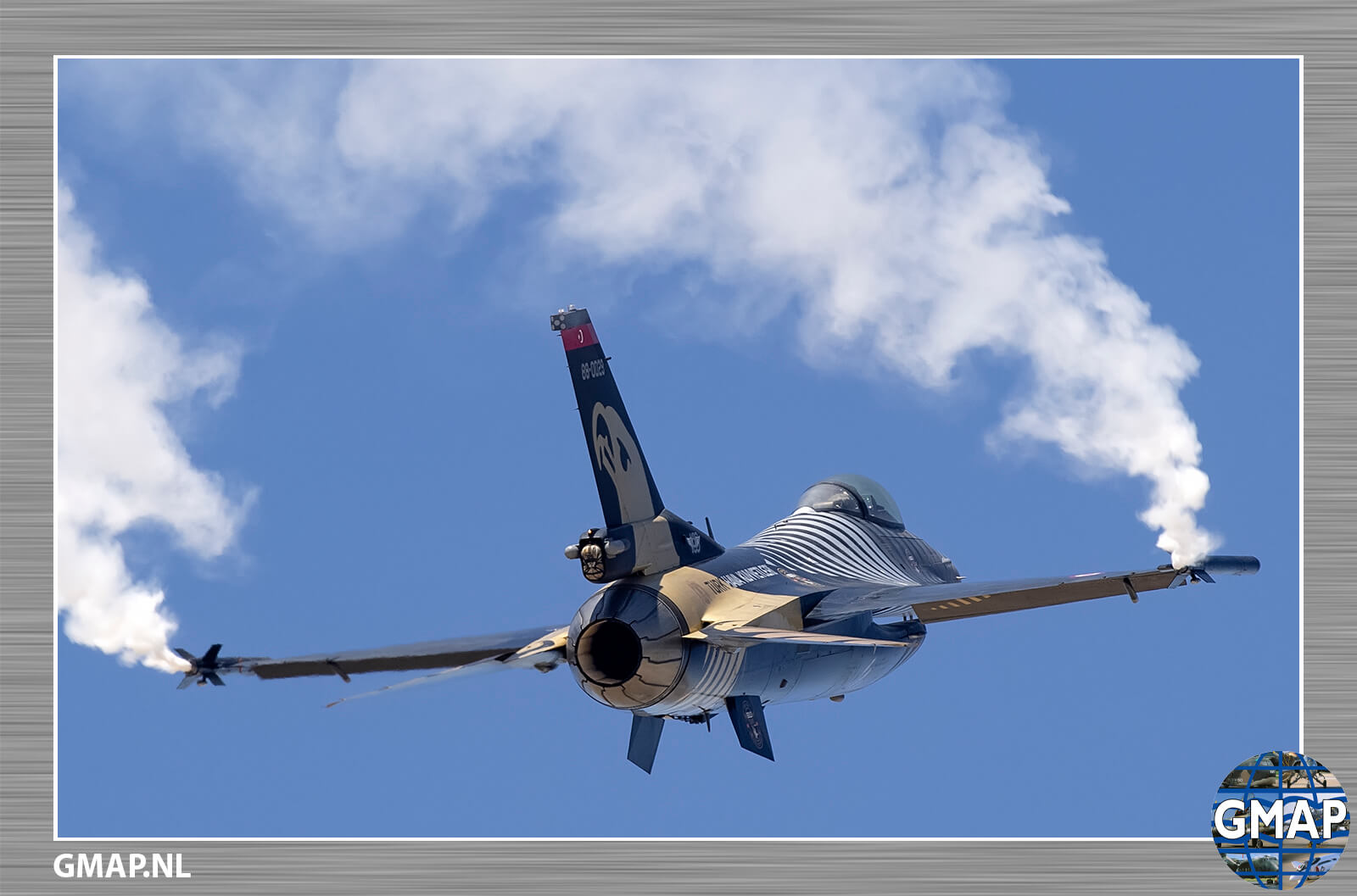
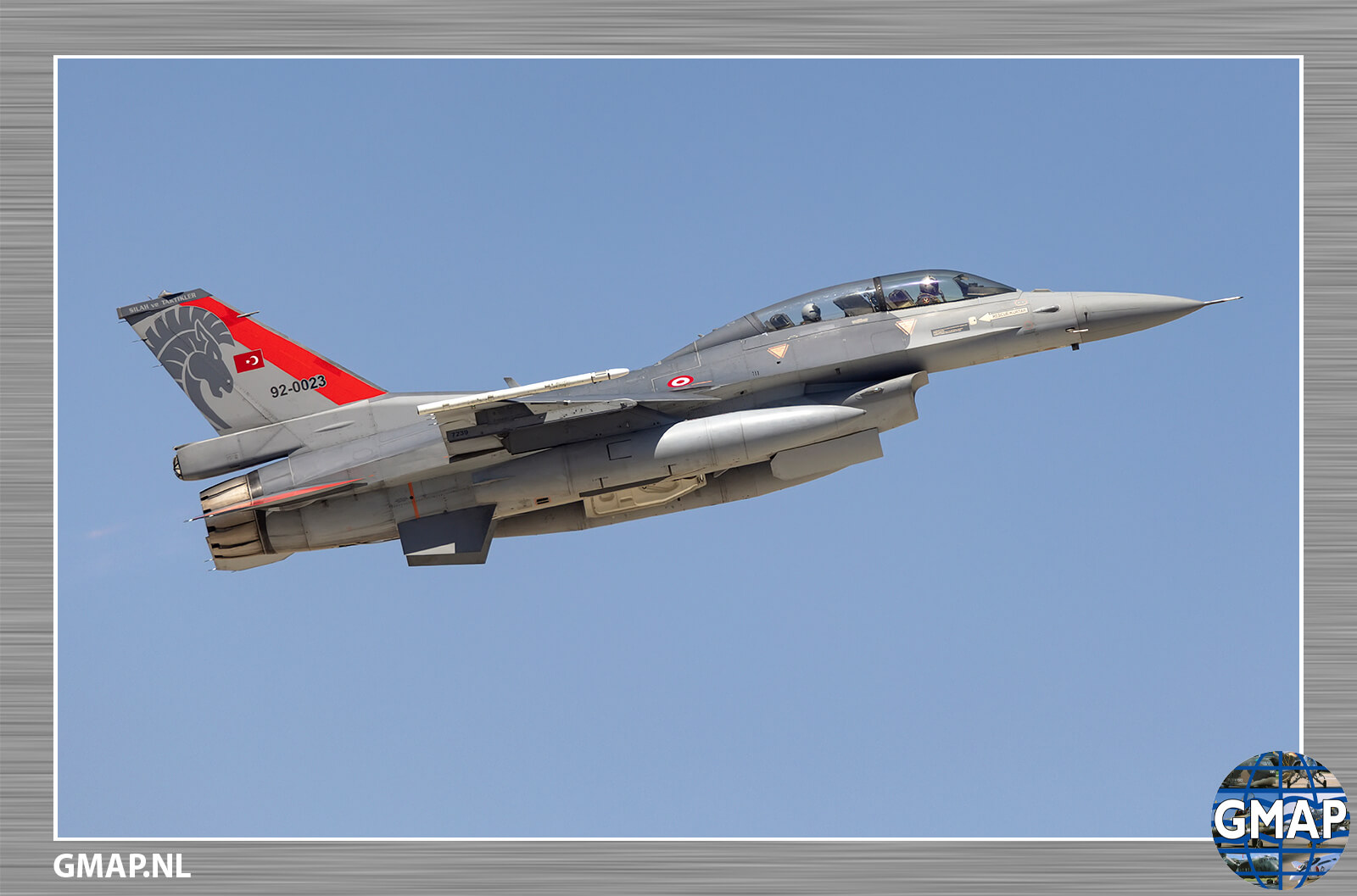
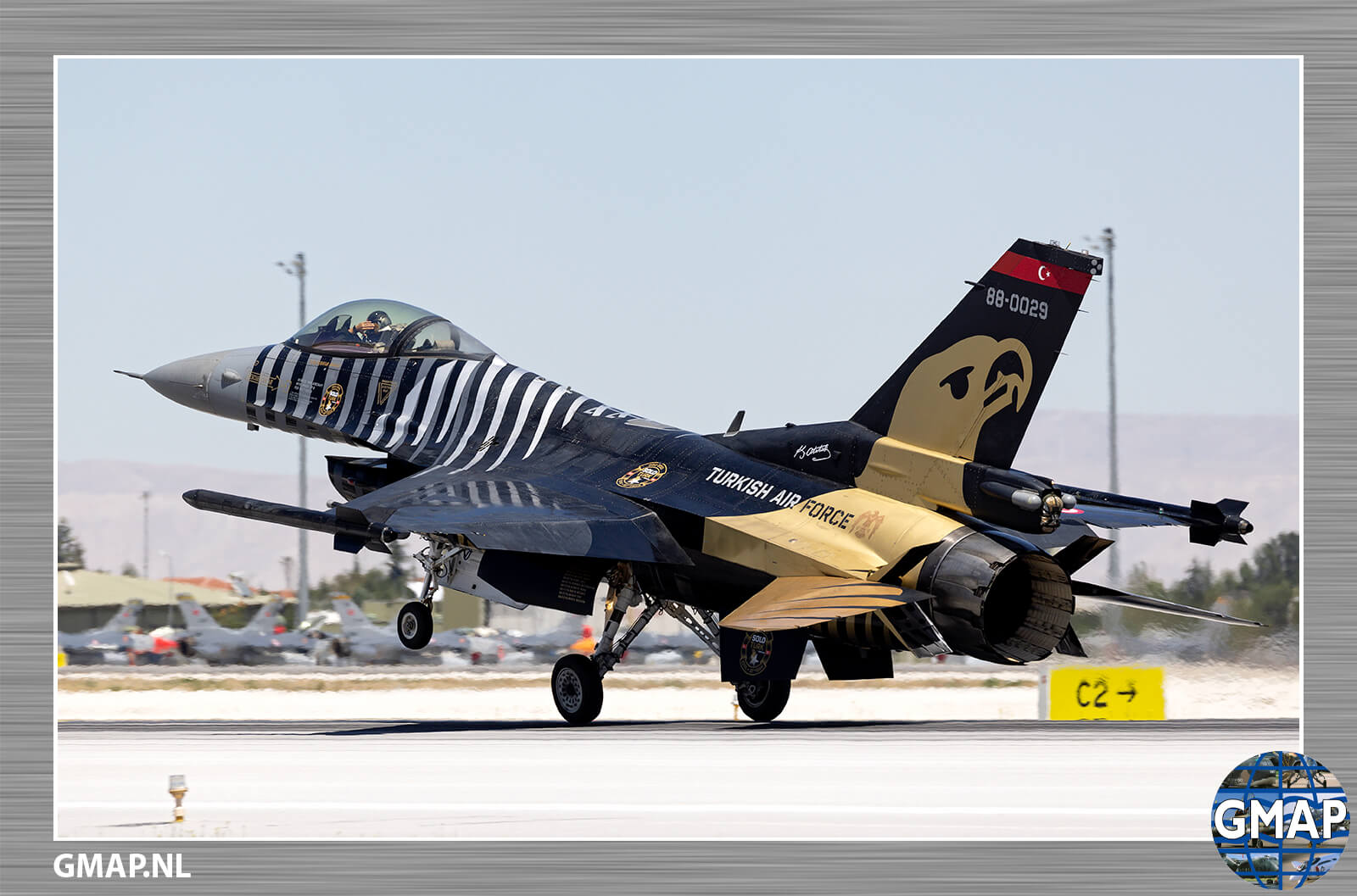
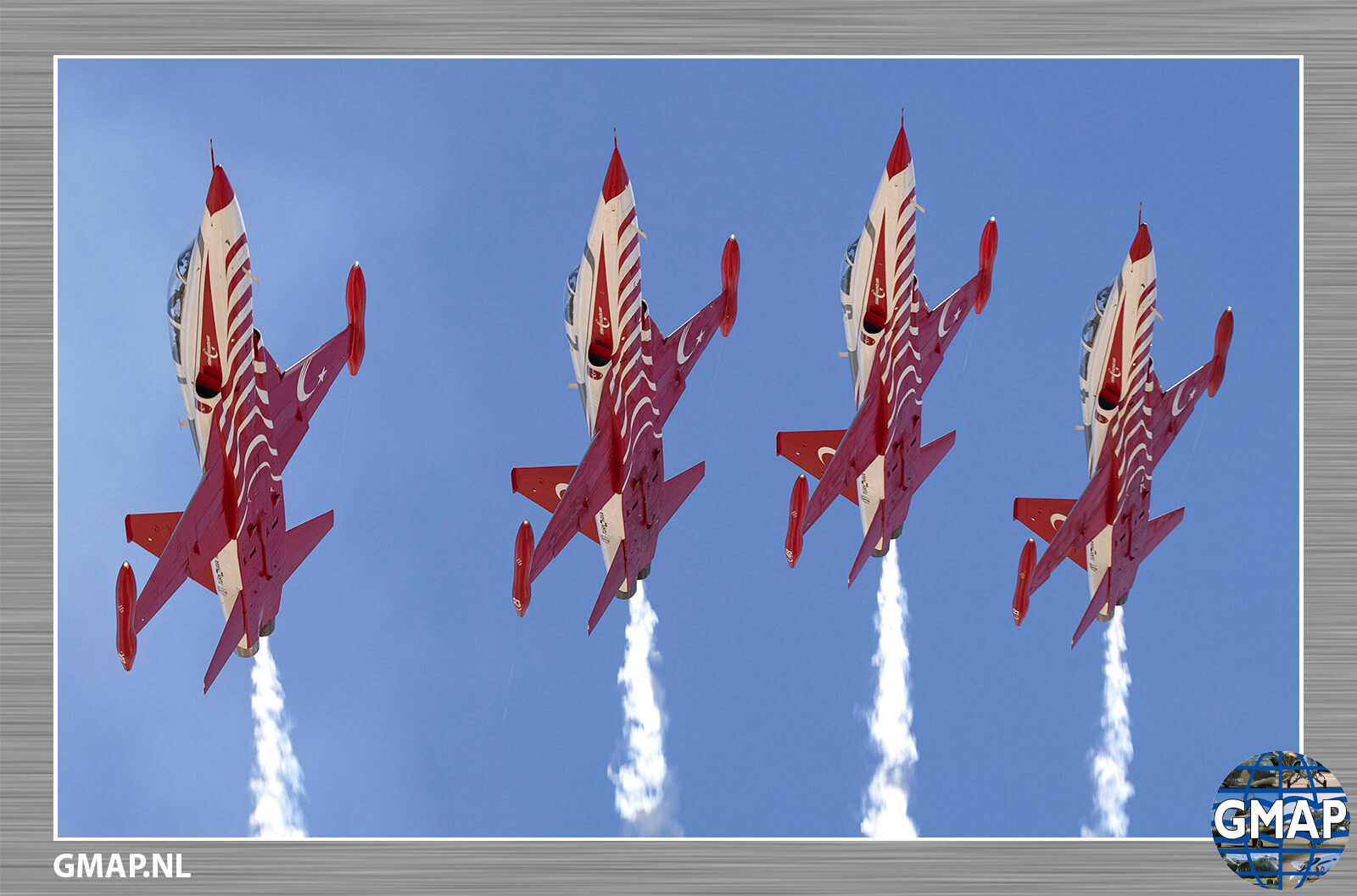
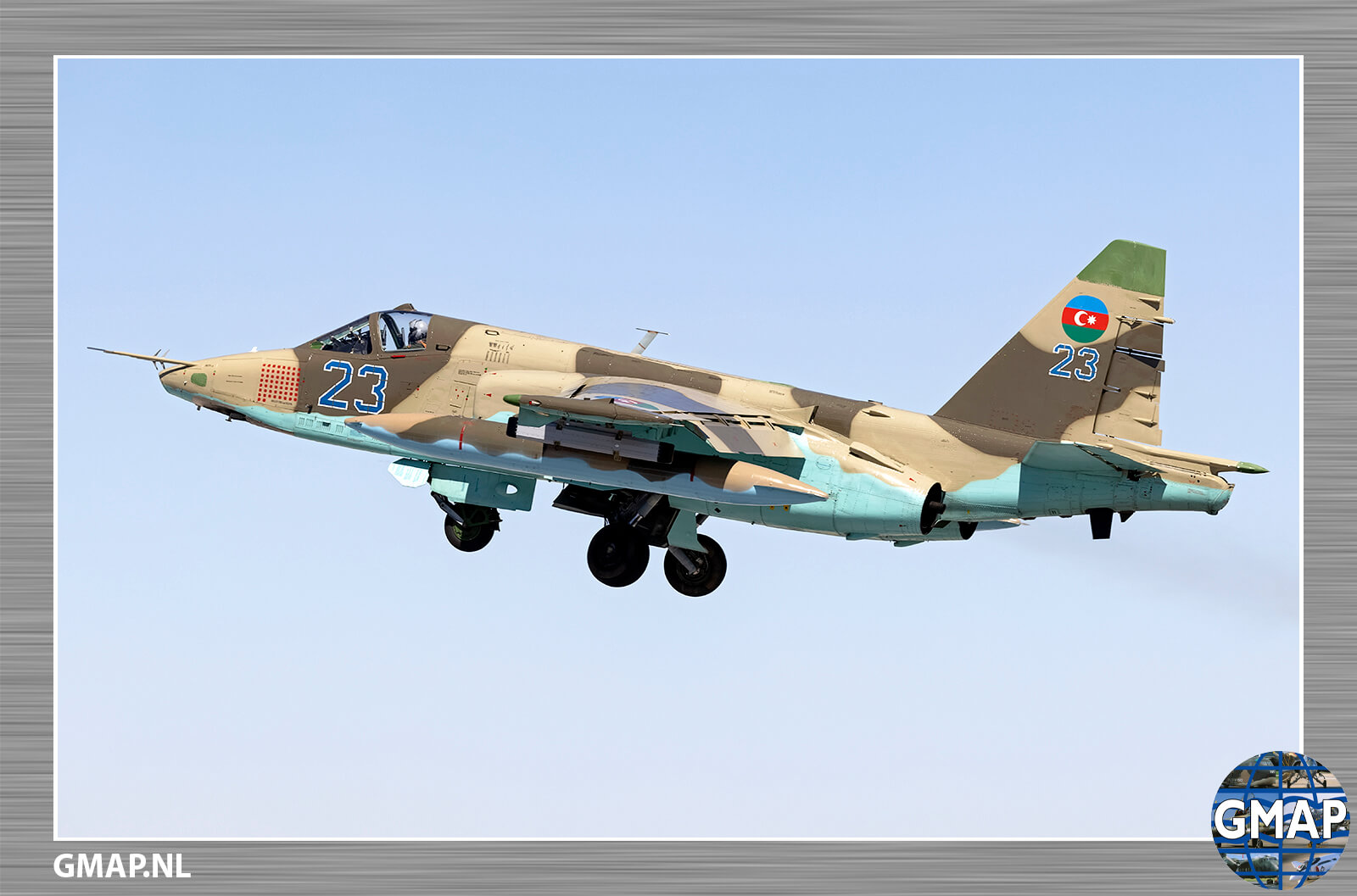
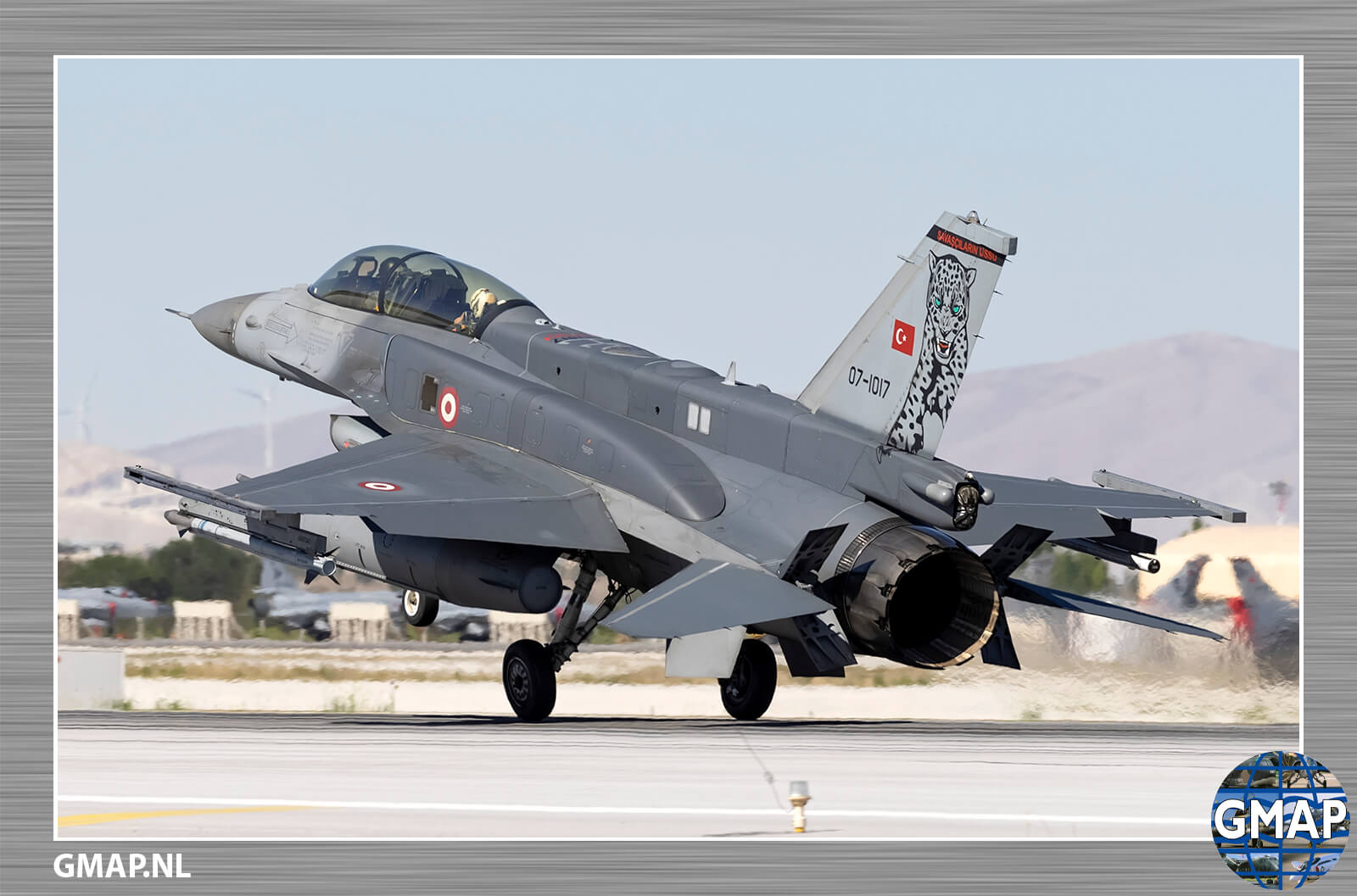
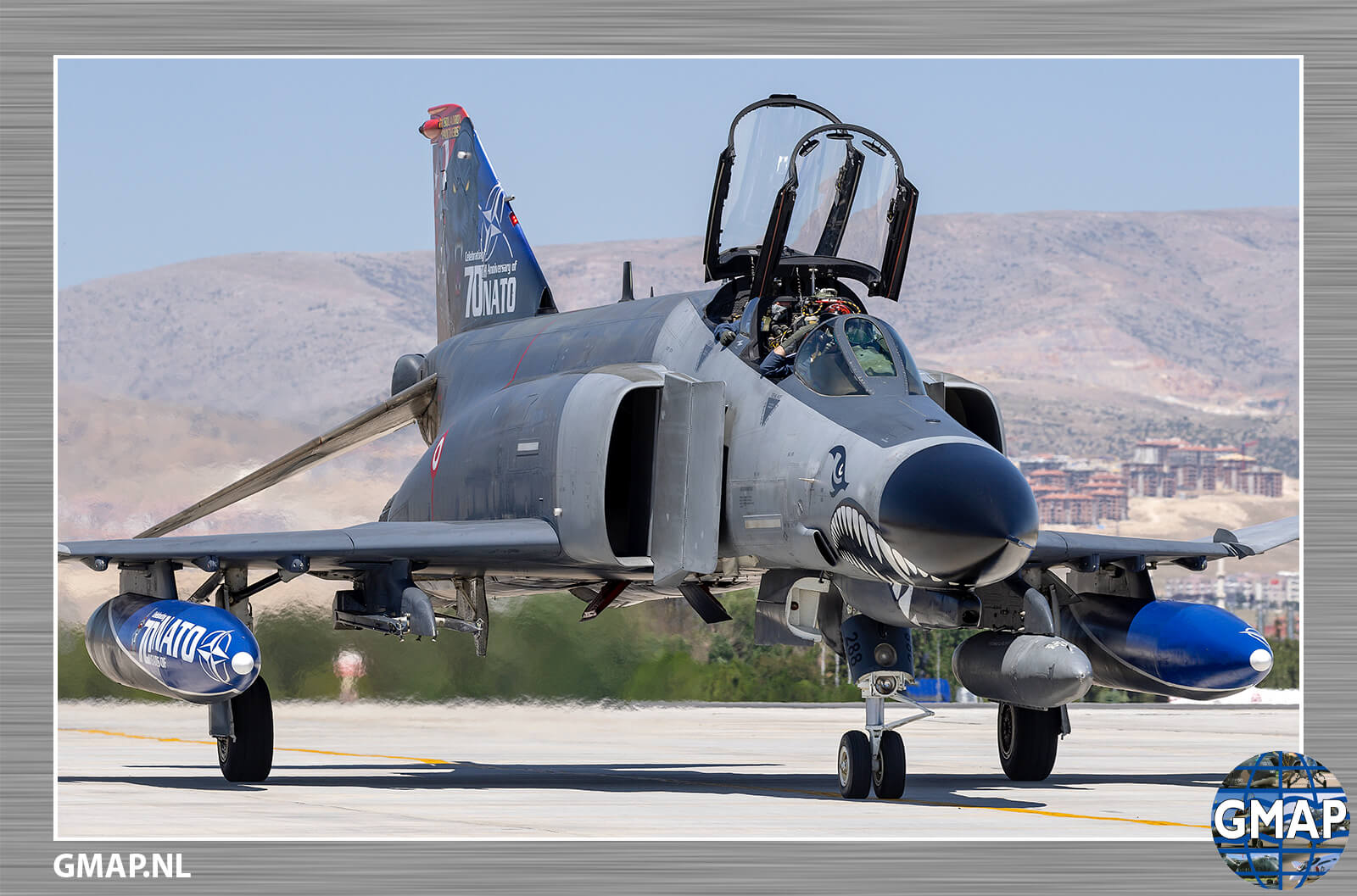
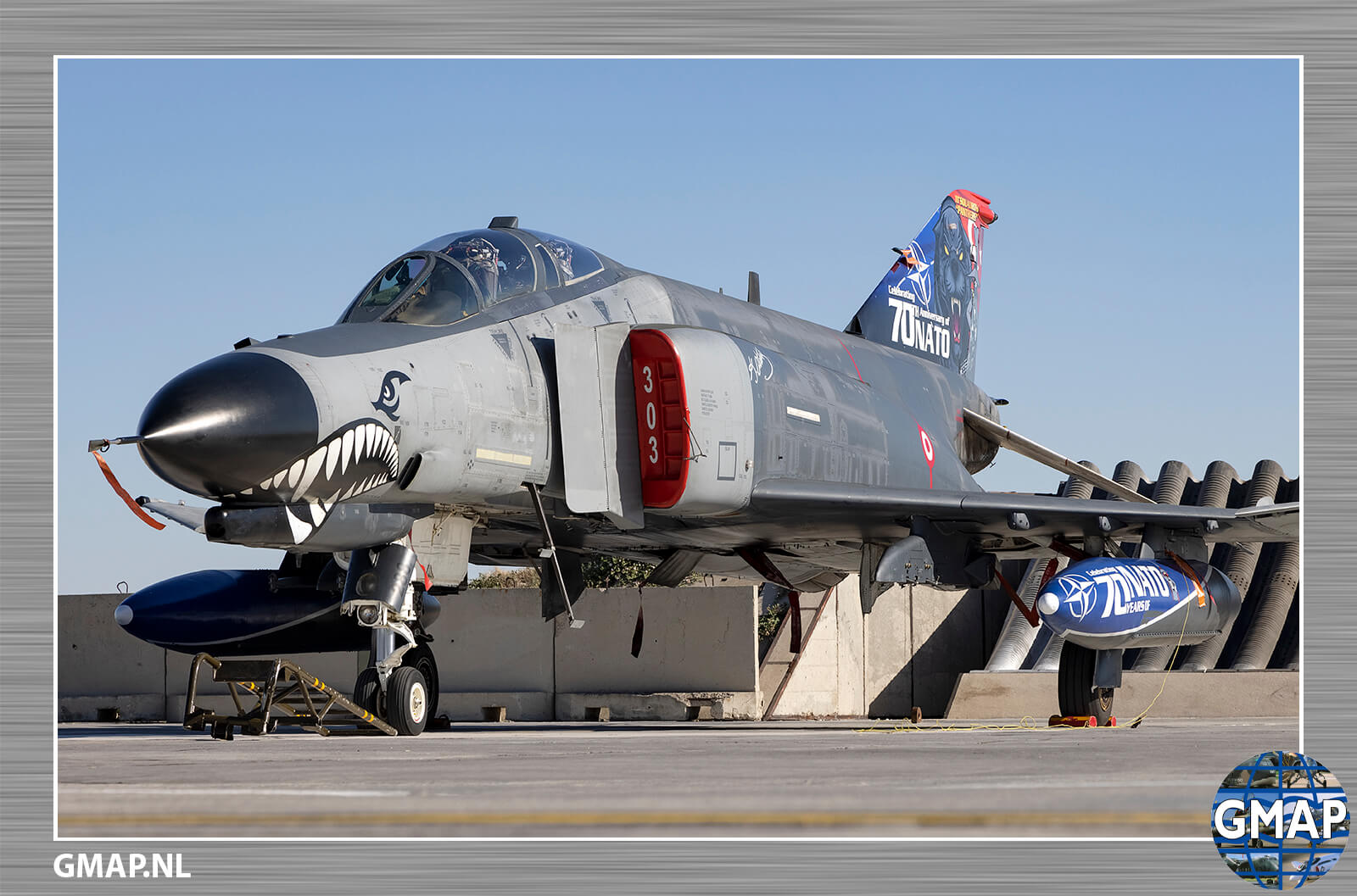
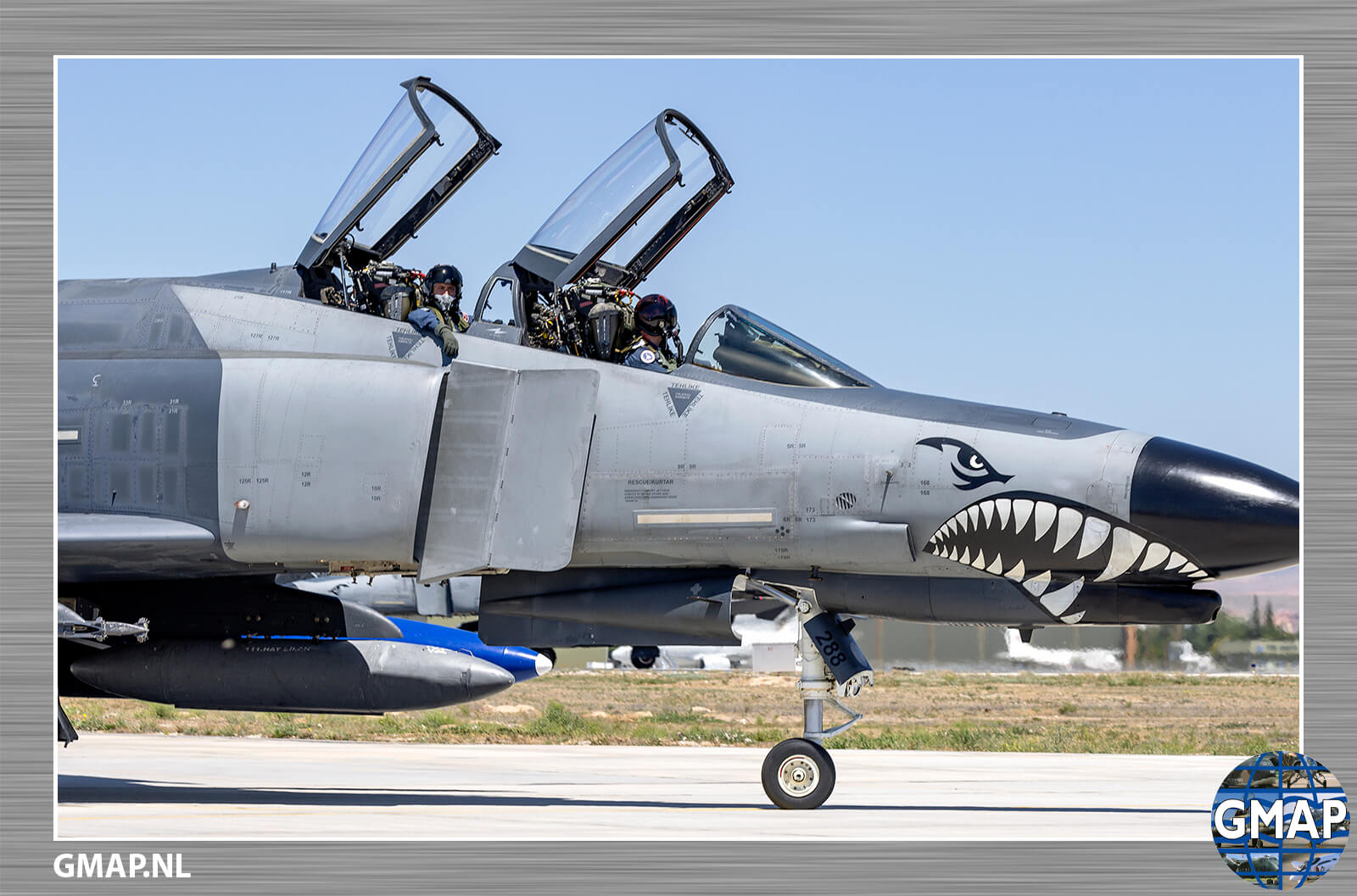
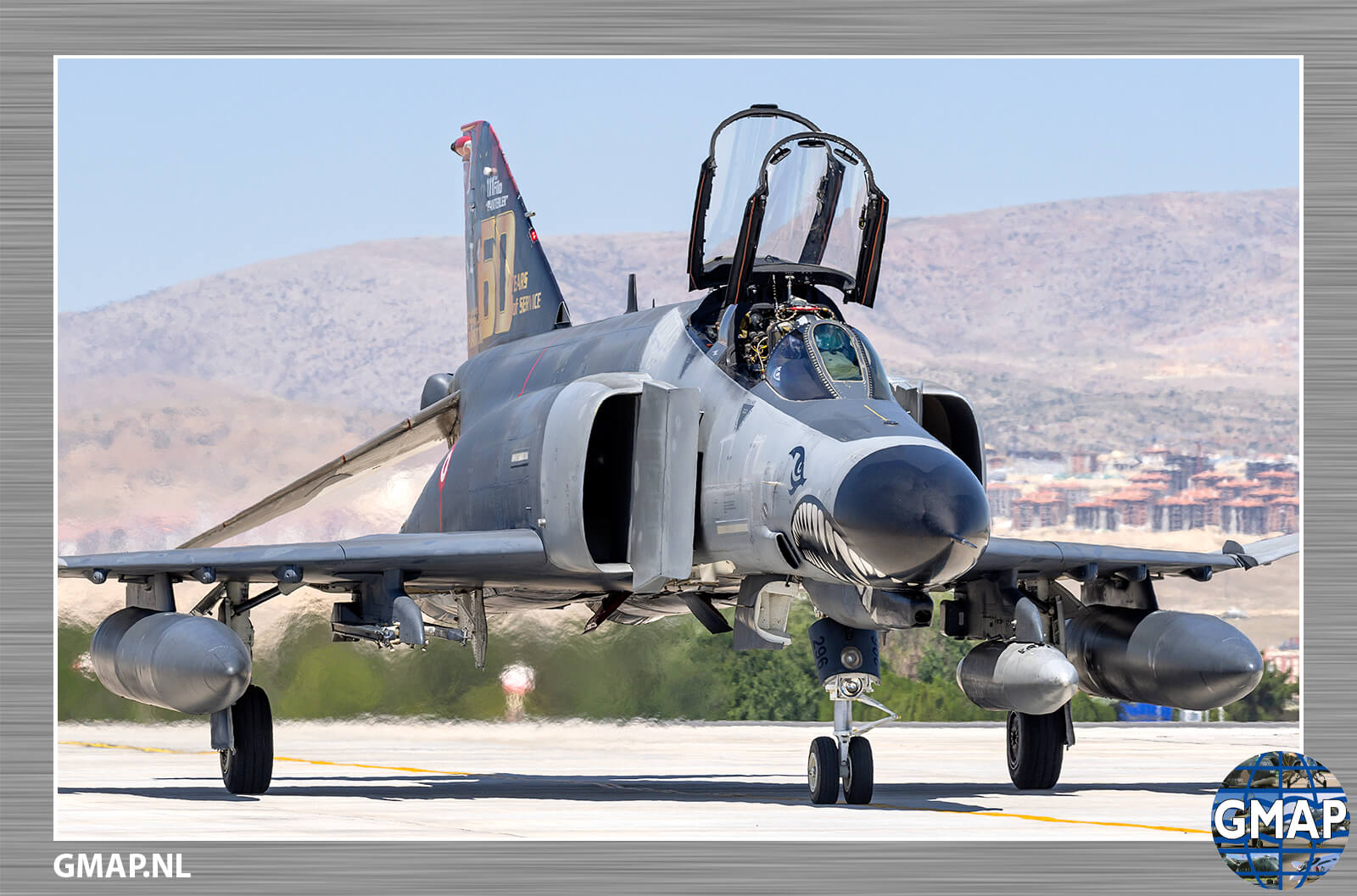
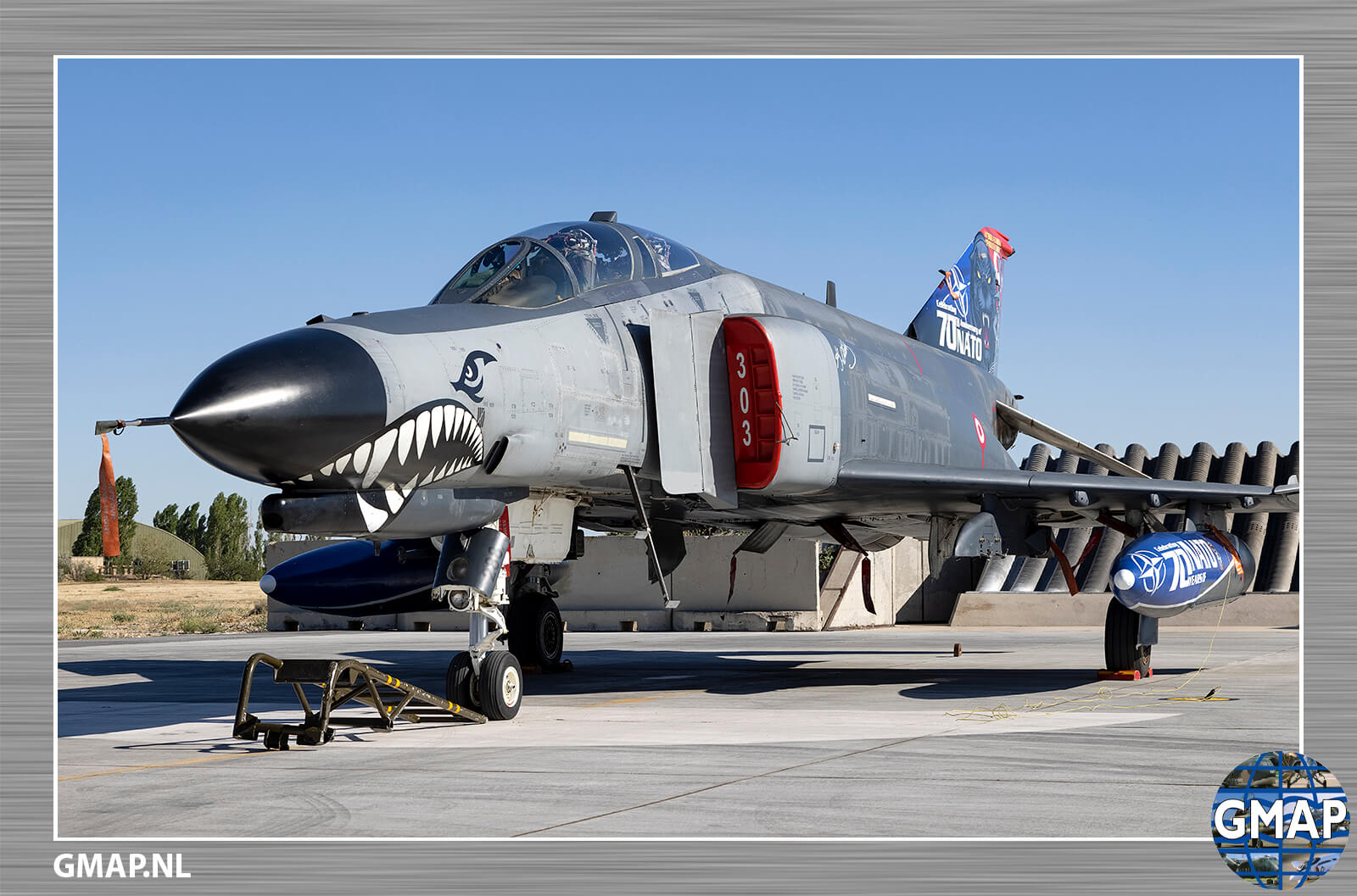
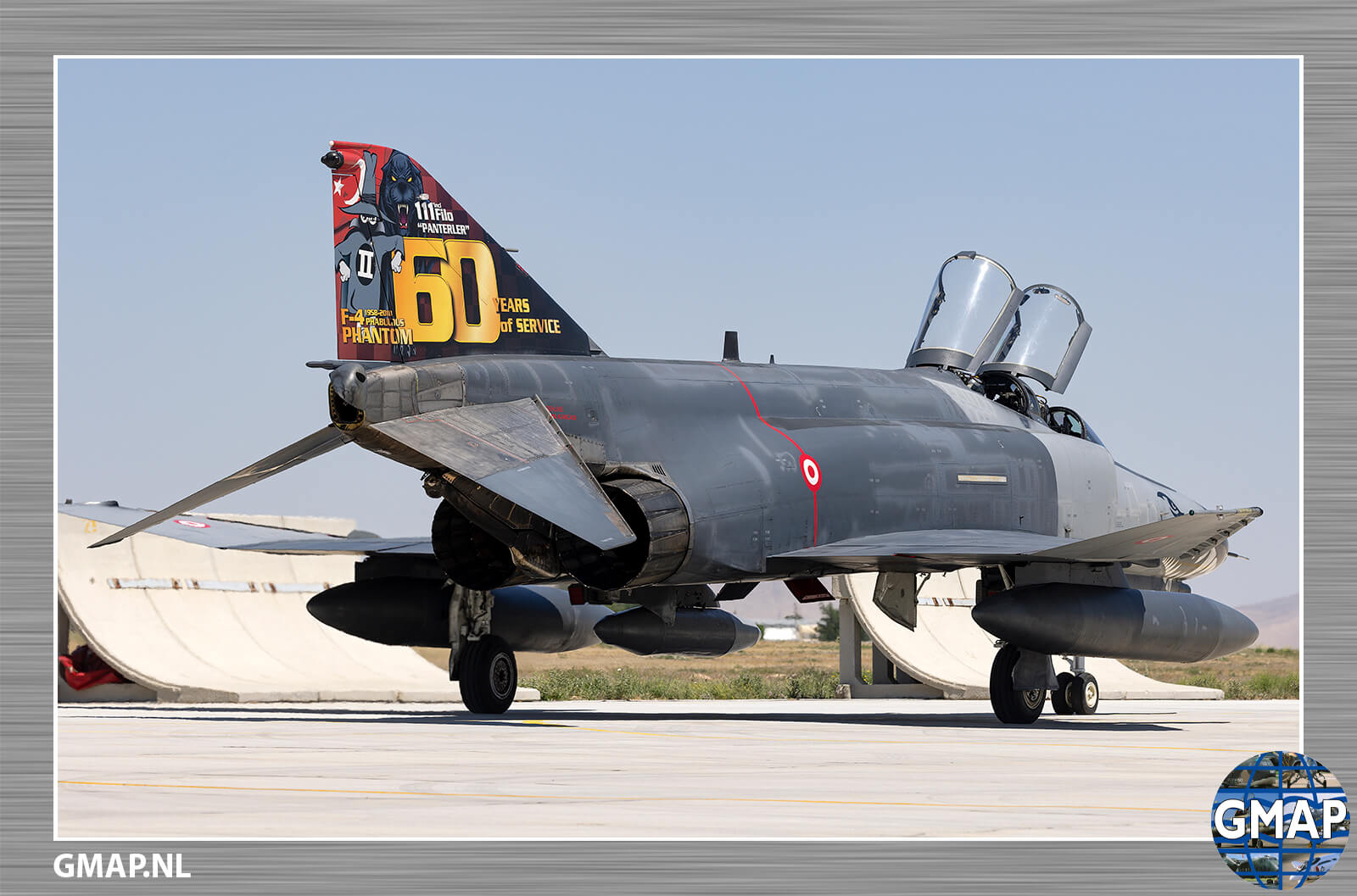
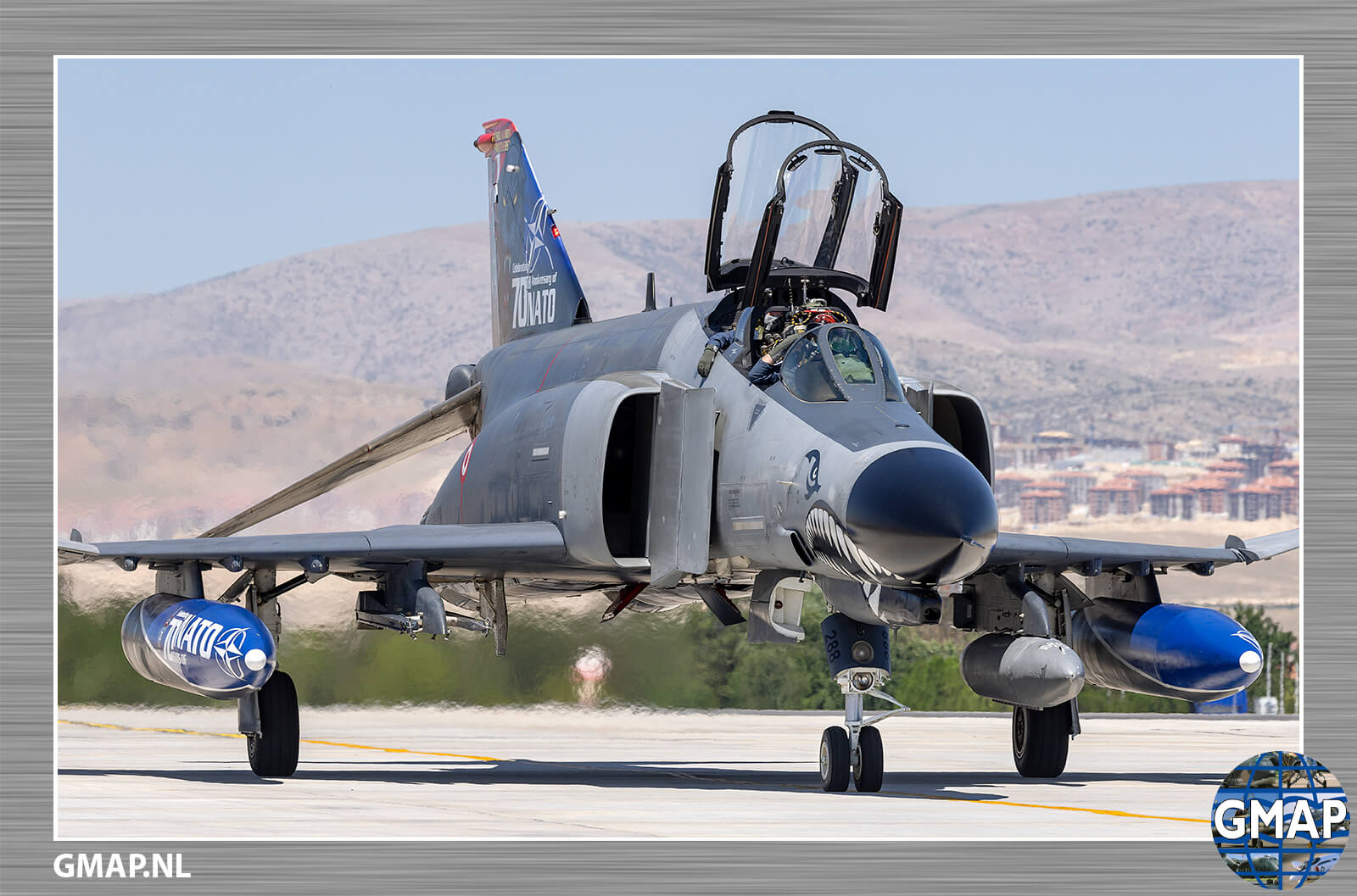
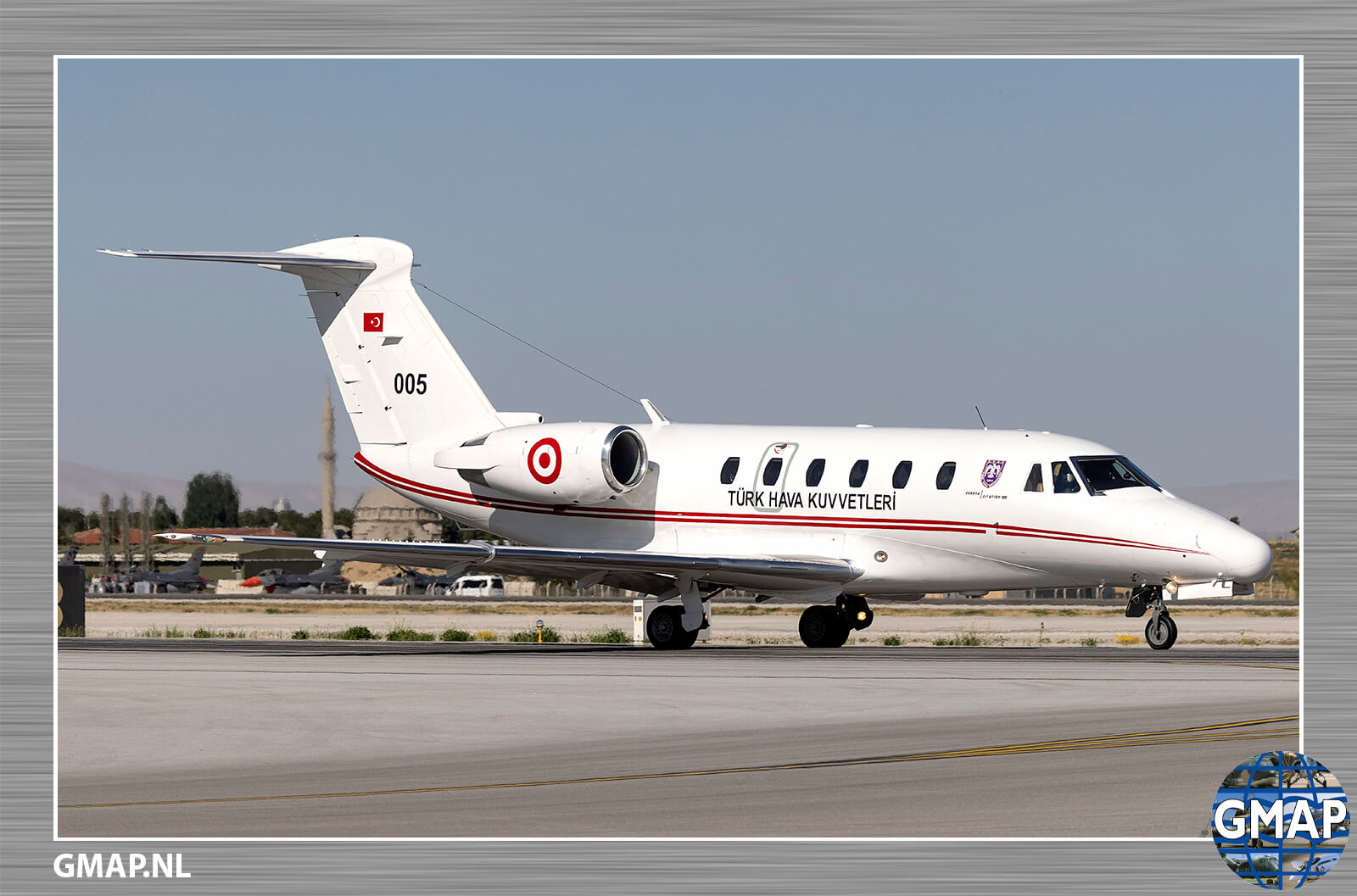
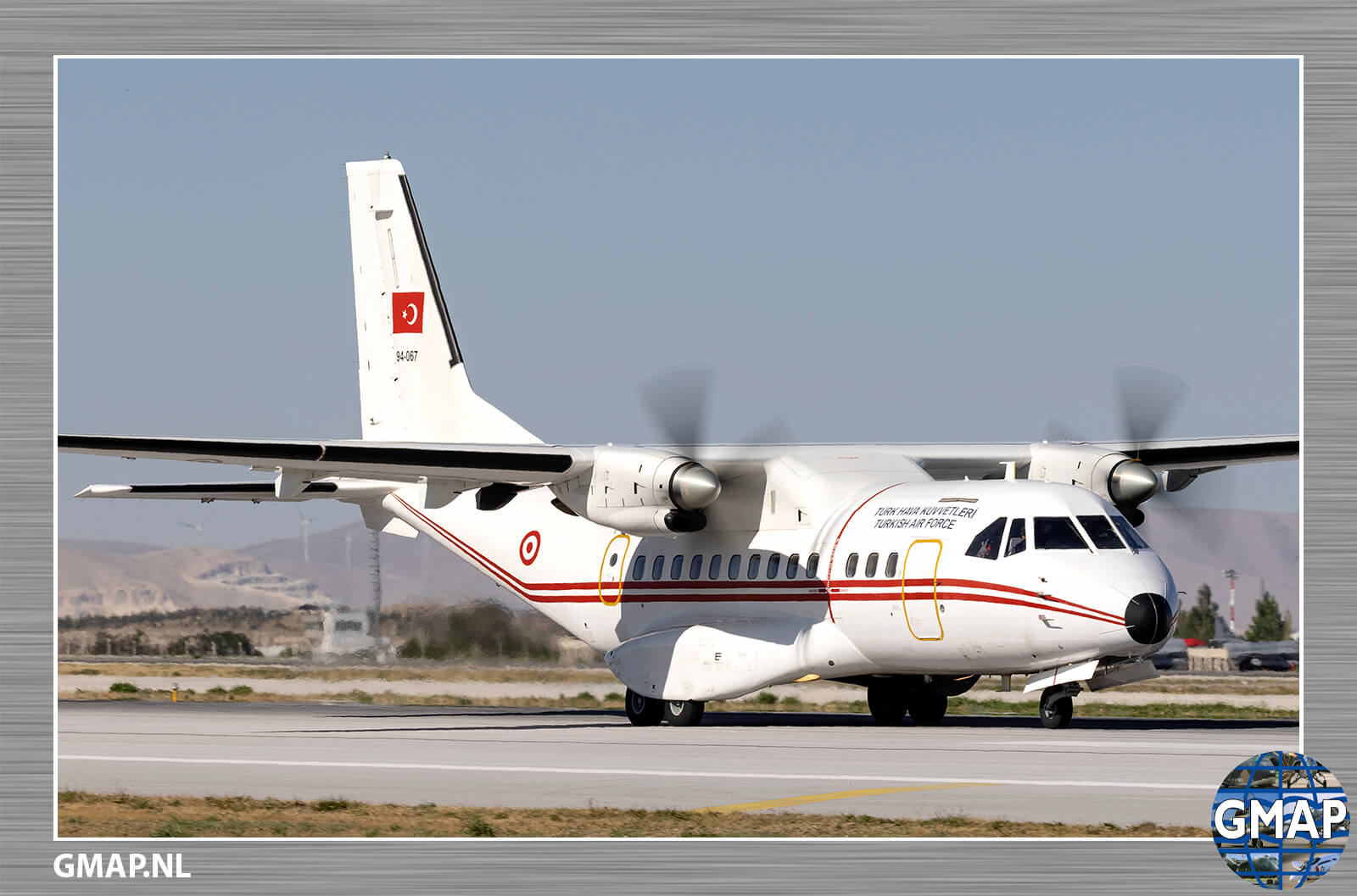
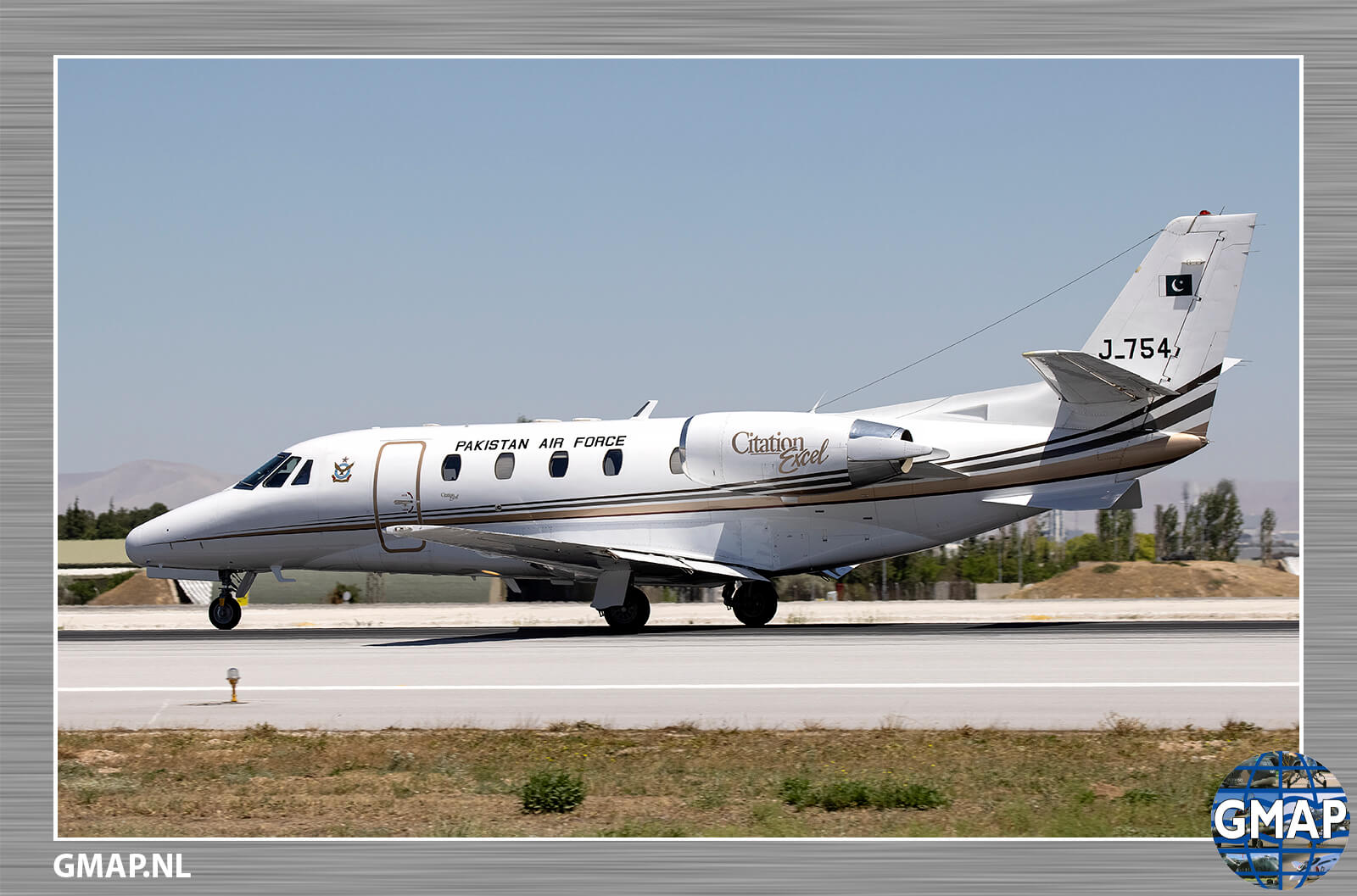
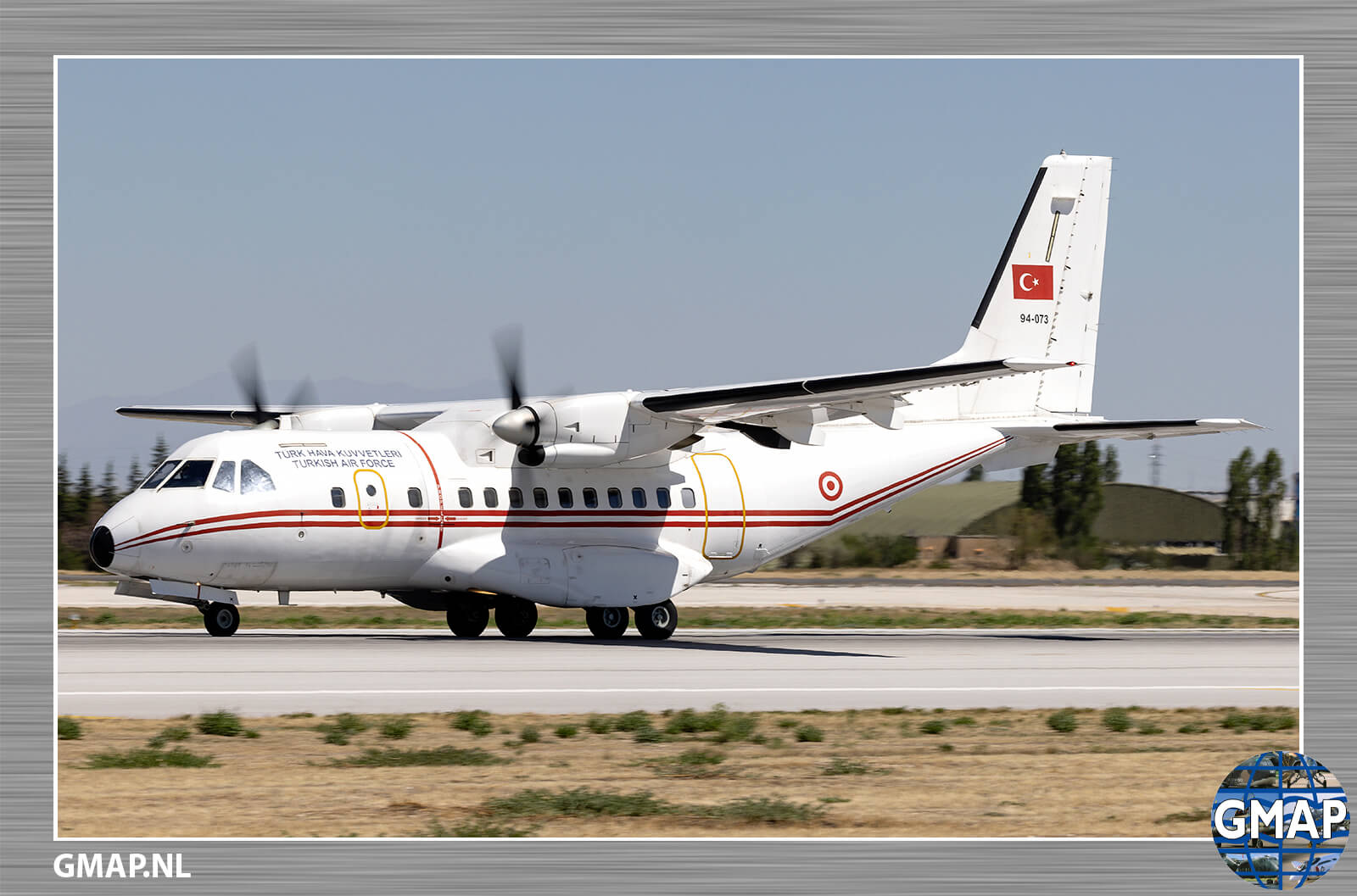
The history of Anatolian Eagle (AE) goes back to 2001, when the first exercise was held. Main goals of this multinational exercise are:
- Provide realistic operational training domain
- Enable fighters to execute their tactics
- Provide a platform to exchange ideas
- Keep fighters and GCI controllers current
- Teach how to survive
The ambition is to become the most prestigious and preferred “Tactical Training Centre” in the world. It has become a great opportunity for not only European; but also Middle East countries to train their pilots. In essence, AE is held three times a year: two exercises will only see participants of the Turkish Air Force, while one yearly exercise will also involve international participants.
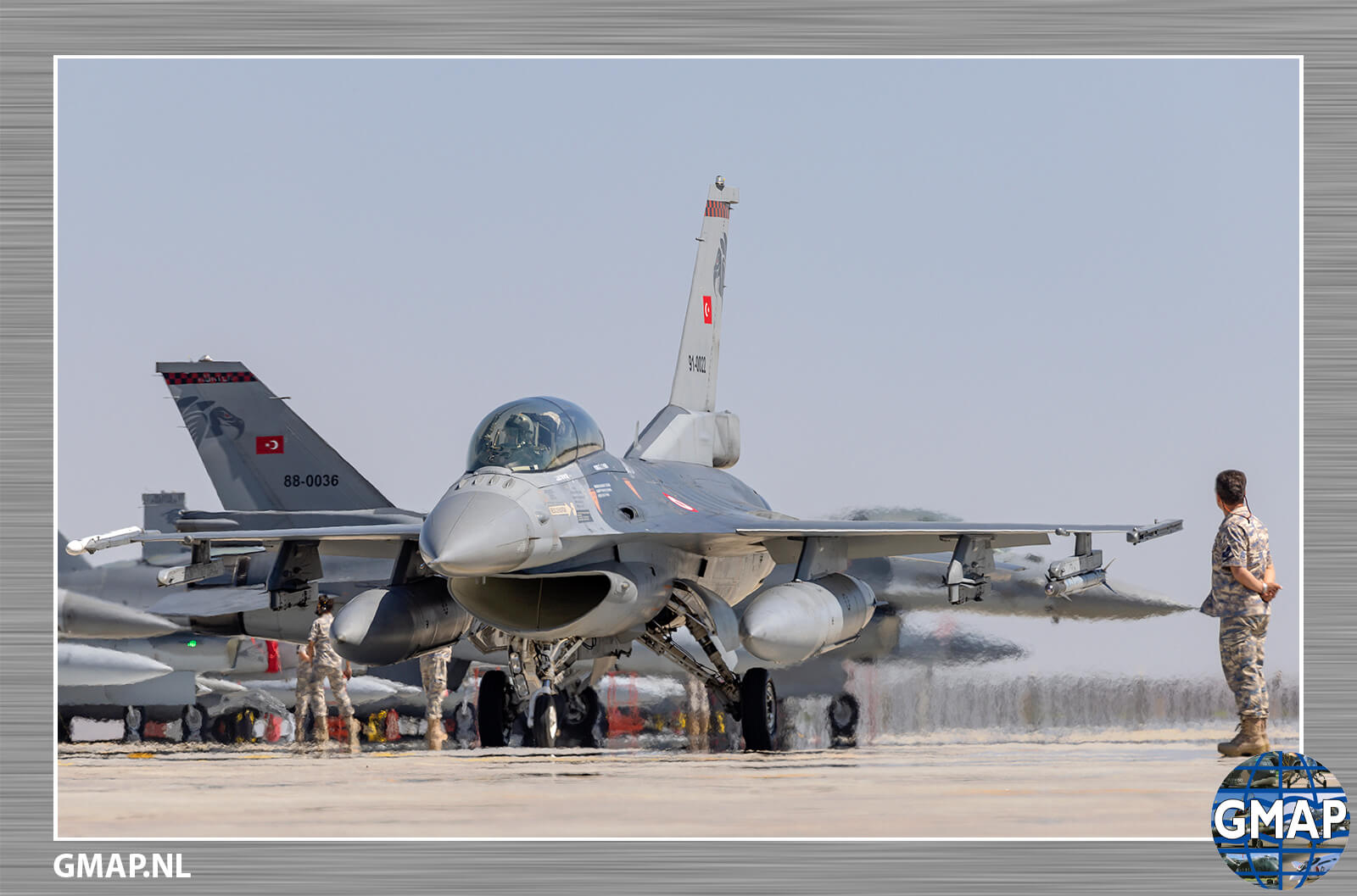
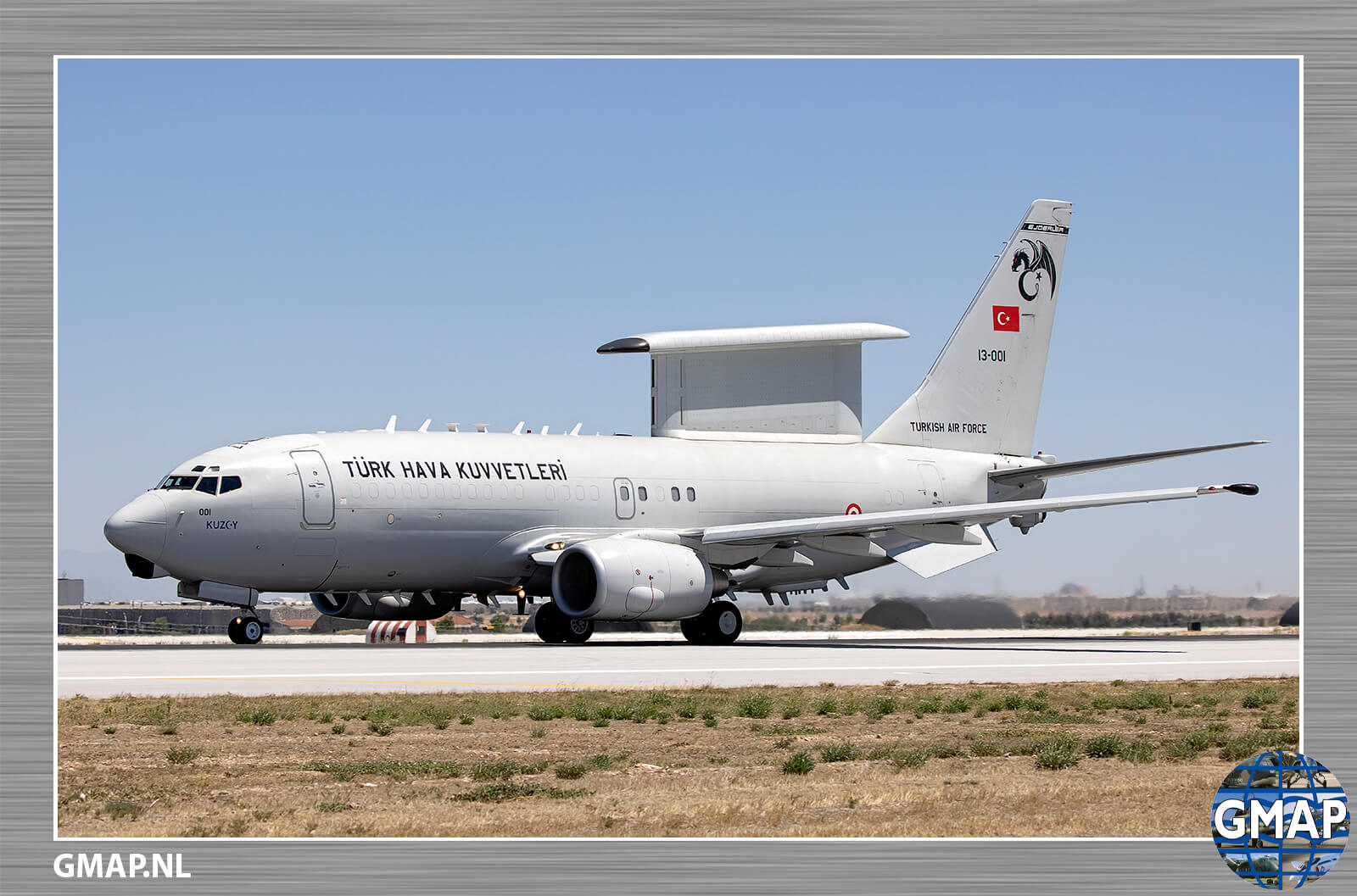
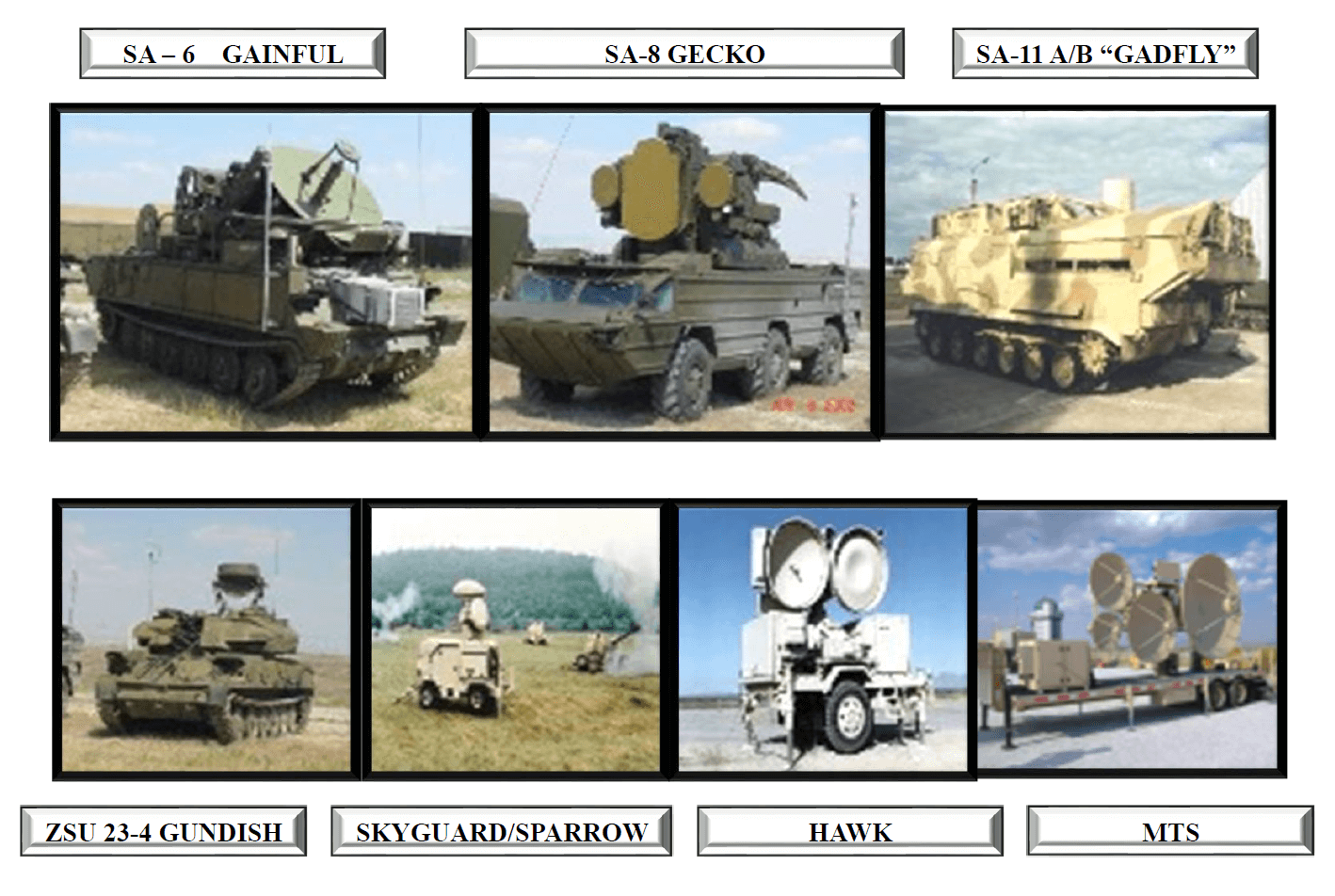
AE is somewhat similar to the well-known Red Flag exercises that are held in the USA at Nellis AFB; Nevada. Like Red Flag, the participants at AE are divided between Red Forces and Blue Forces. Red Forces are the “training aid” for the Blue fighters; where the visiting units for the Blue forces who will try to execute their game plan; supported by NATO AWACS and/or based E-7T aircraft. The based 135 SQN (or 135 Filo) is providing Combat Search and Rescue (CSAR).
An area as large as 50.000 Sq. mile (altitude range between ground level and 50.00 feet) stretching from the south of Ankara to the Mediterranean south of Alanya is at the disposal of AE to conduct their missions.
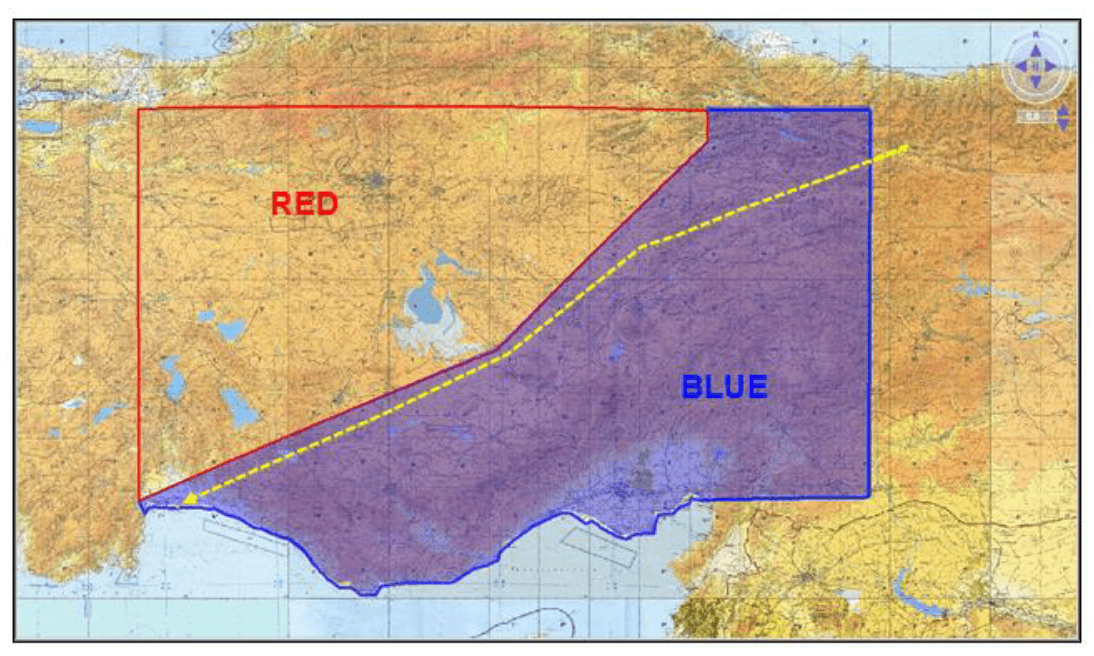
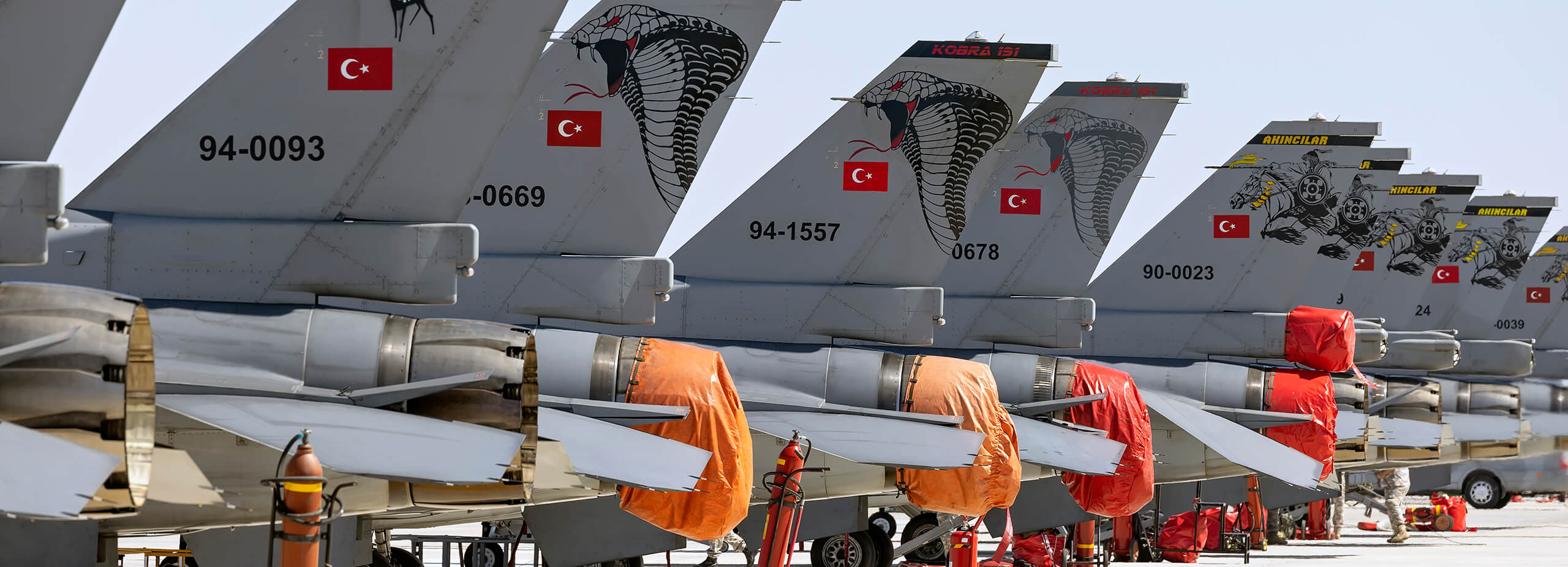
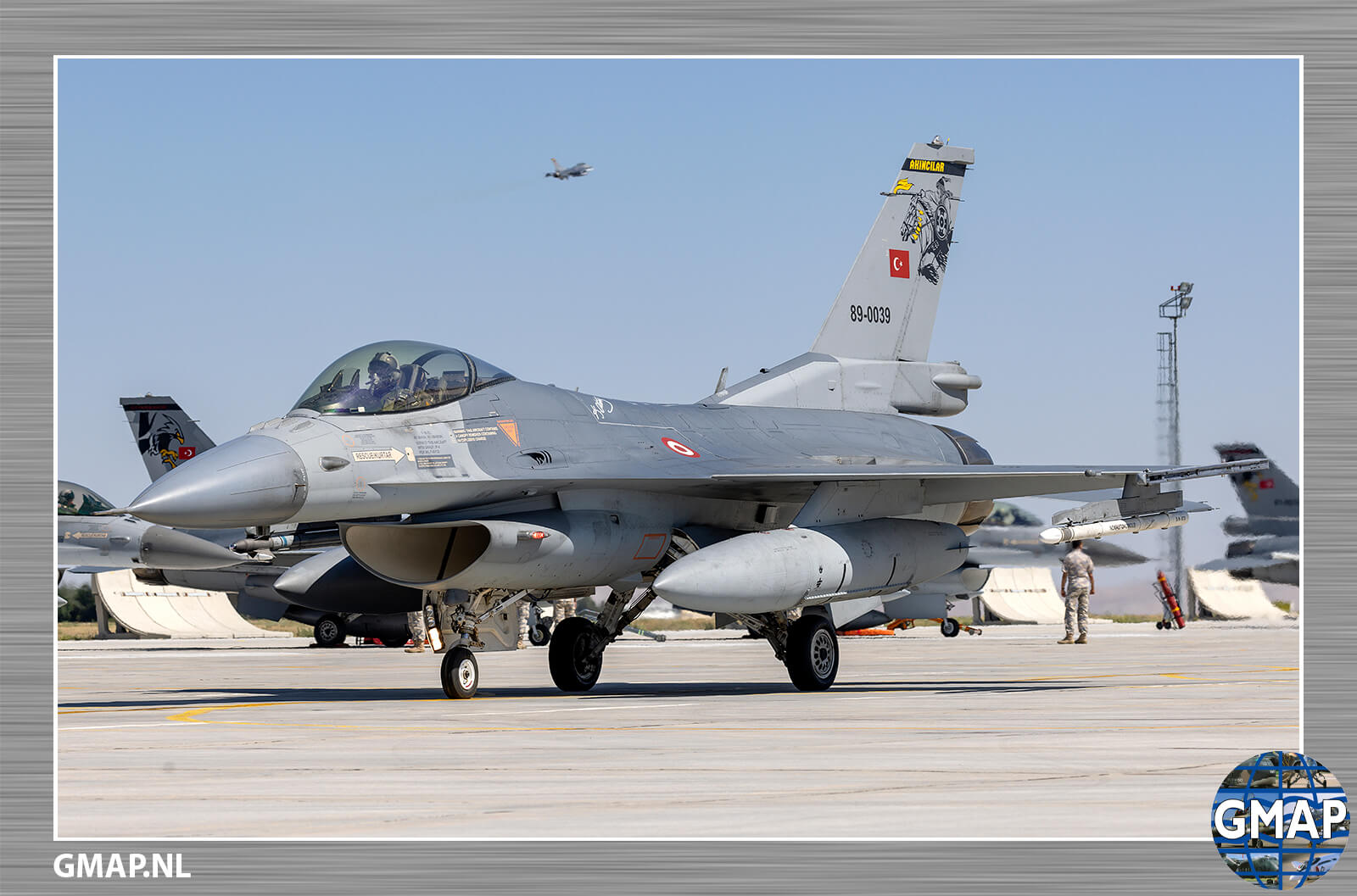
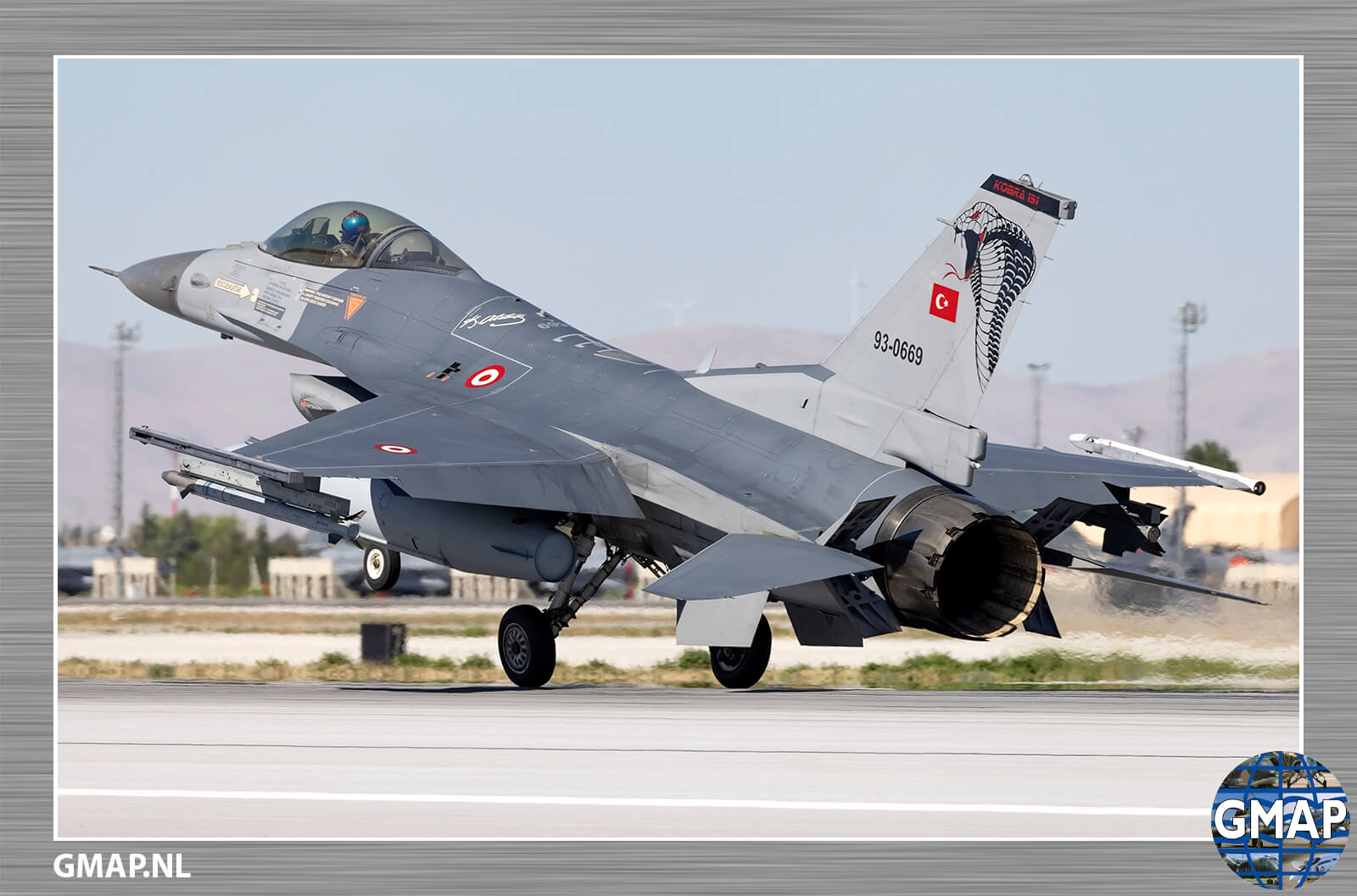
Konya Air Base (home to the third Air Wing – Ana Jet Üssü or AJÜ) is located in the center of the exercise-area in Central Anatolia and as such the ideal location to host AE. The base has a major ramp (the so called “Eagle Ramp”) specifically reserved for AE visitors. It houses various dedicated buildings for both Blue and Red forces; providing the participants of AE all the services they require. The Anatolian Eagle Training Center is located at the 3rd Main Jet Base-Konya and is a high level tactical training center, providing realistic combat training opportunities.
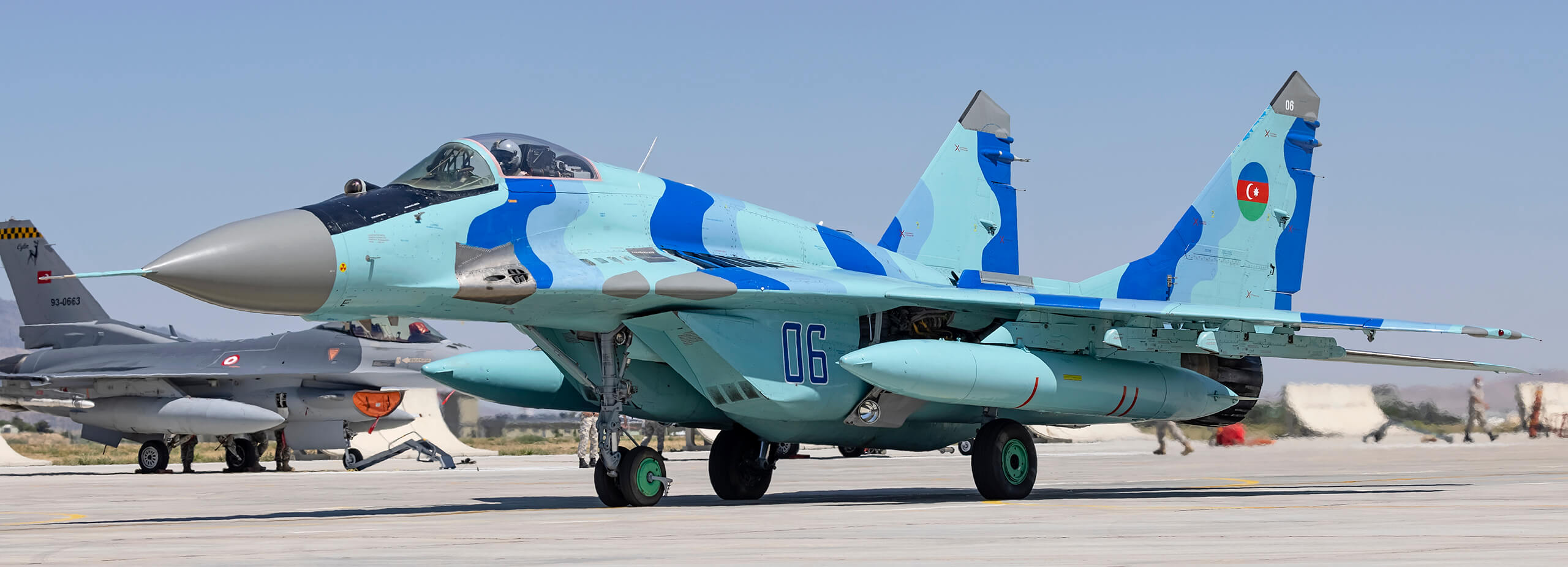
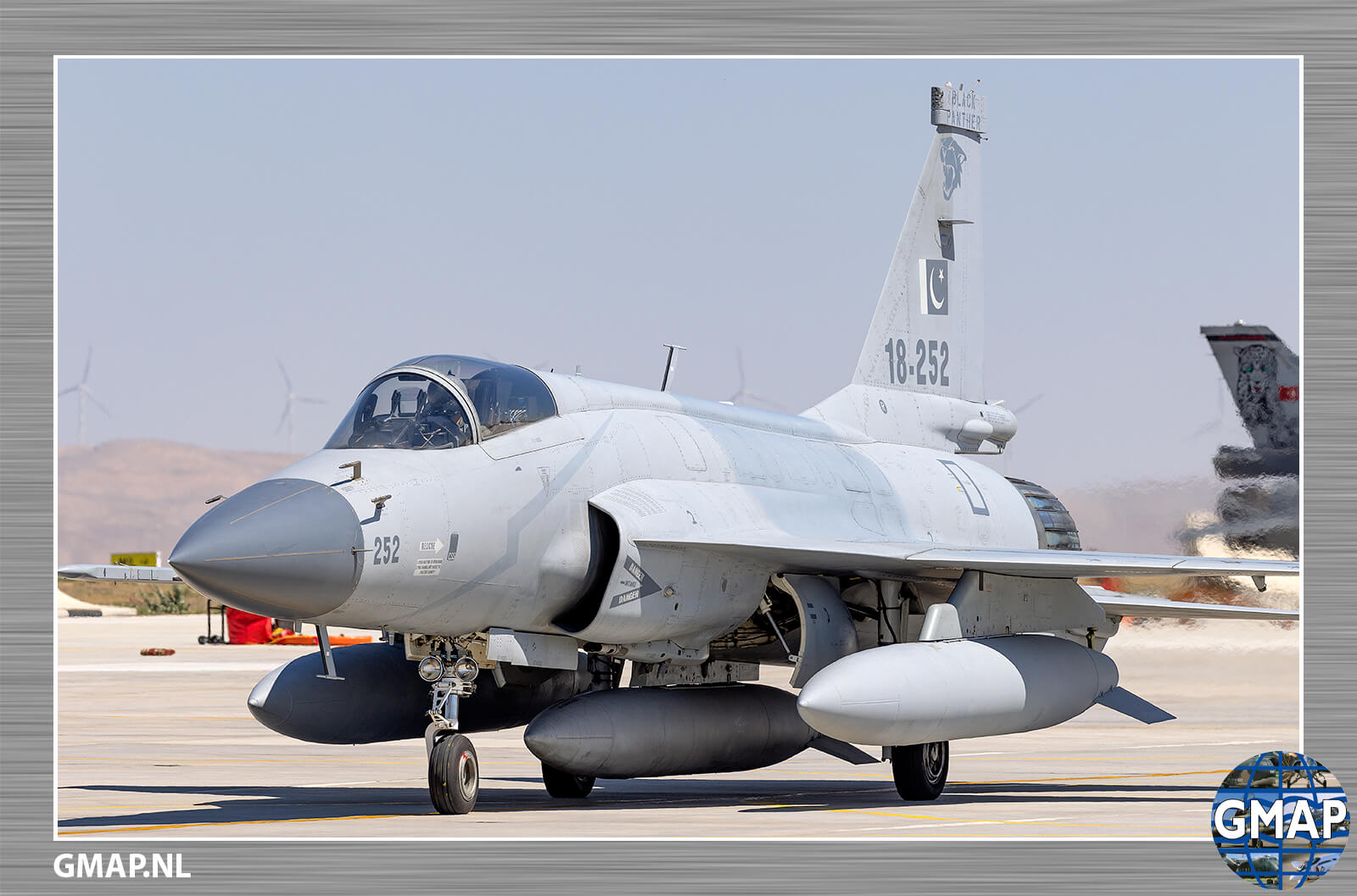
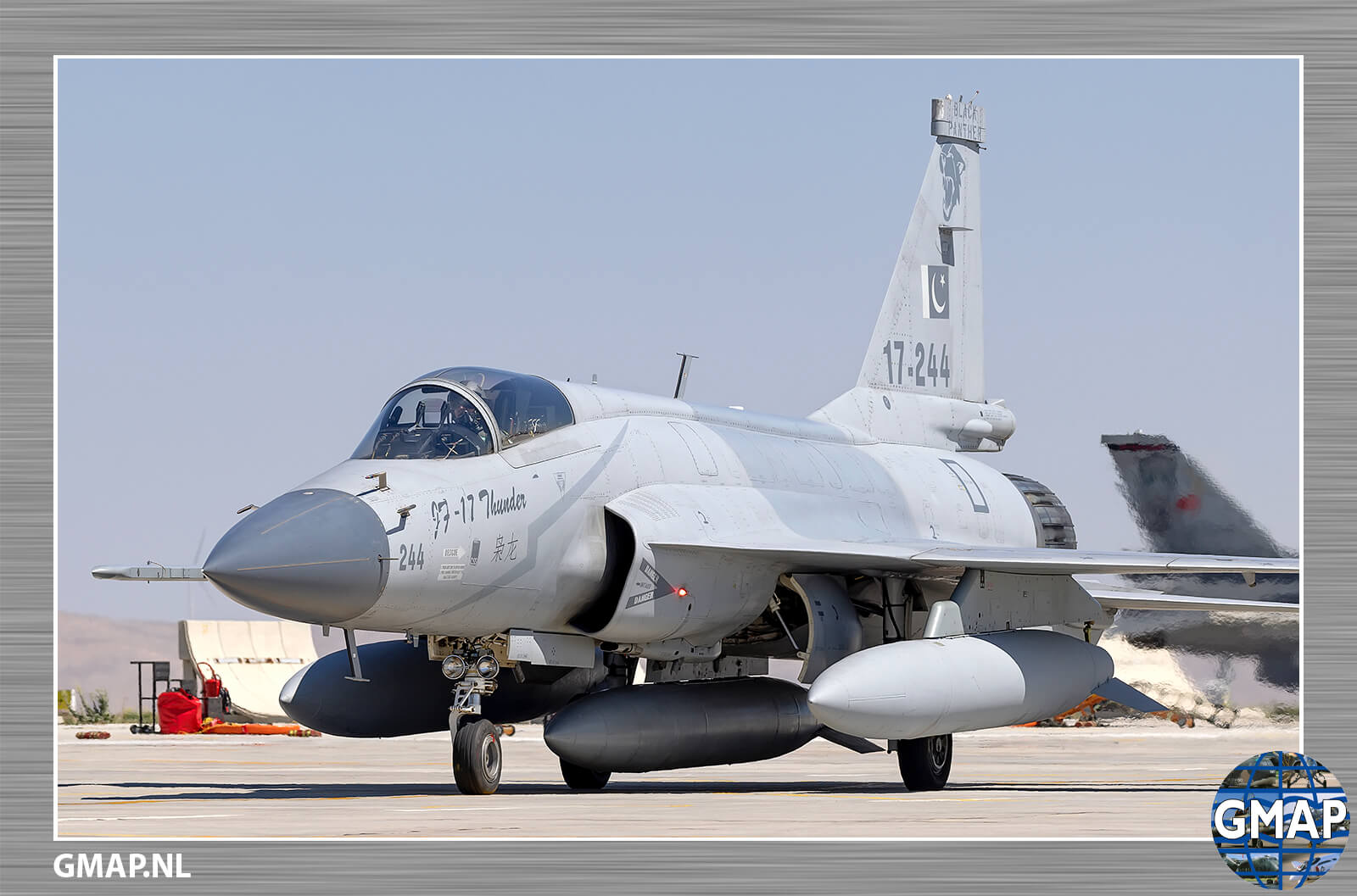
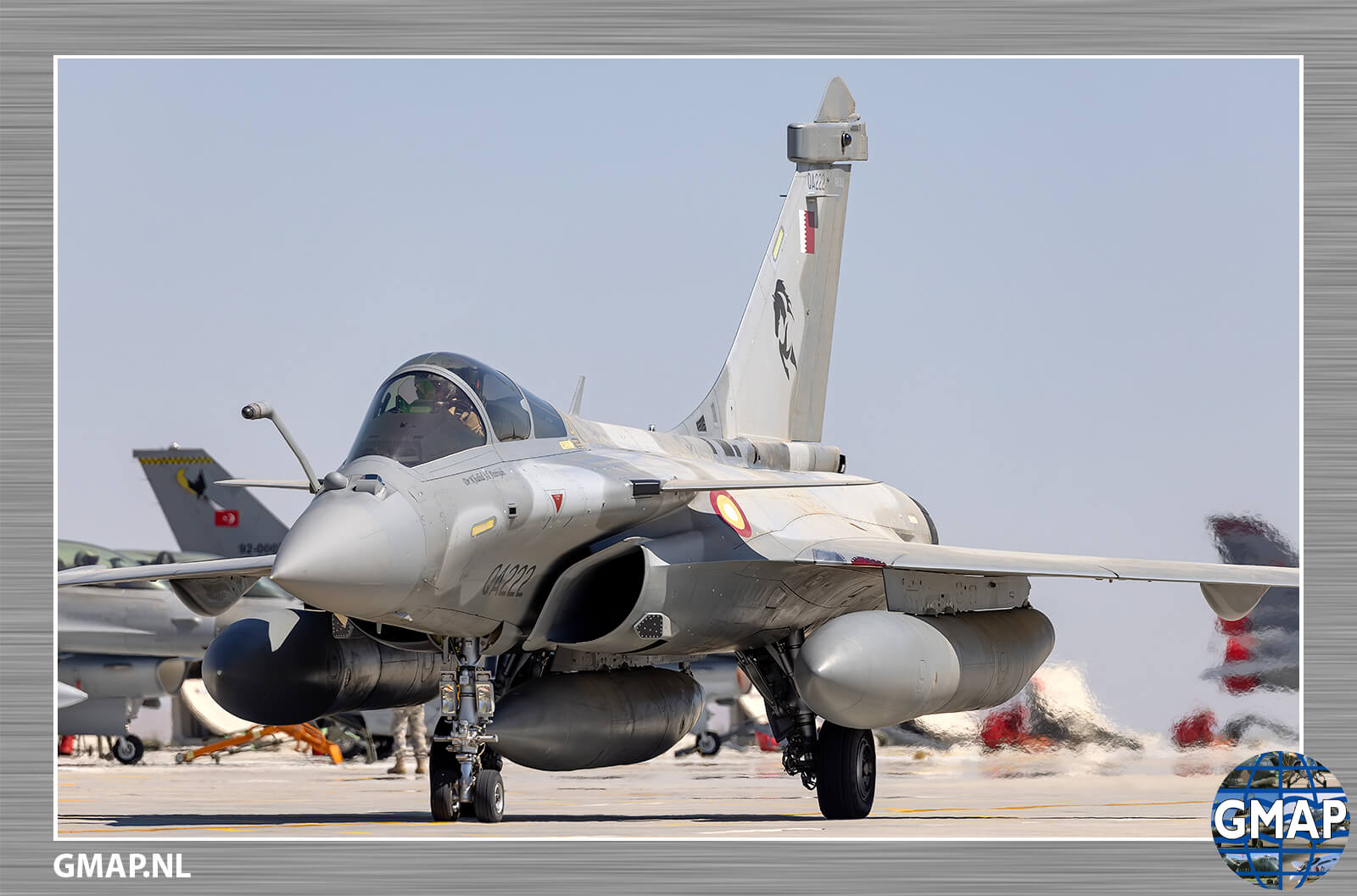
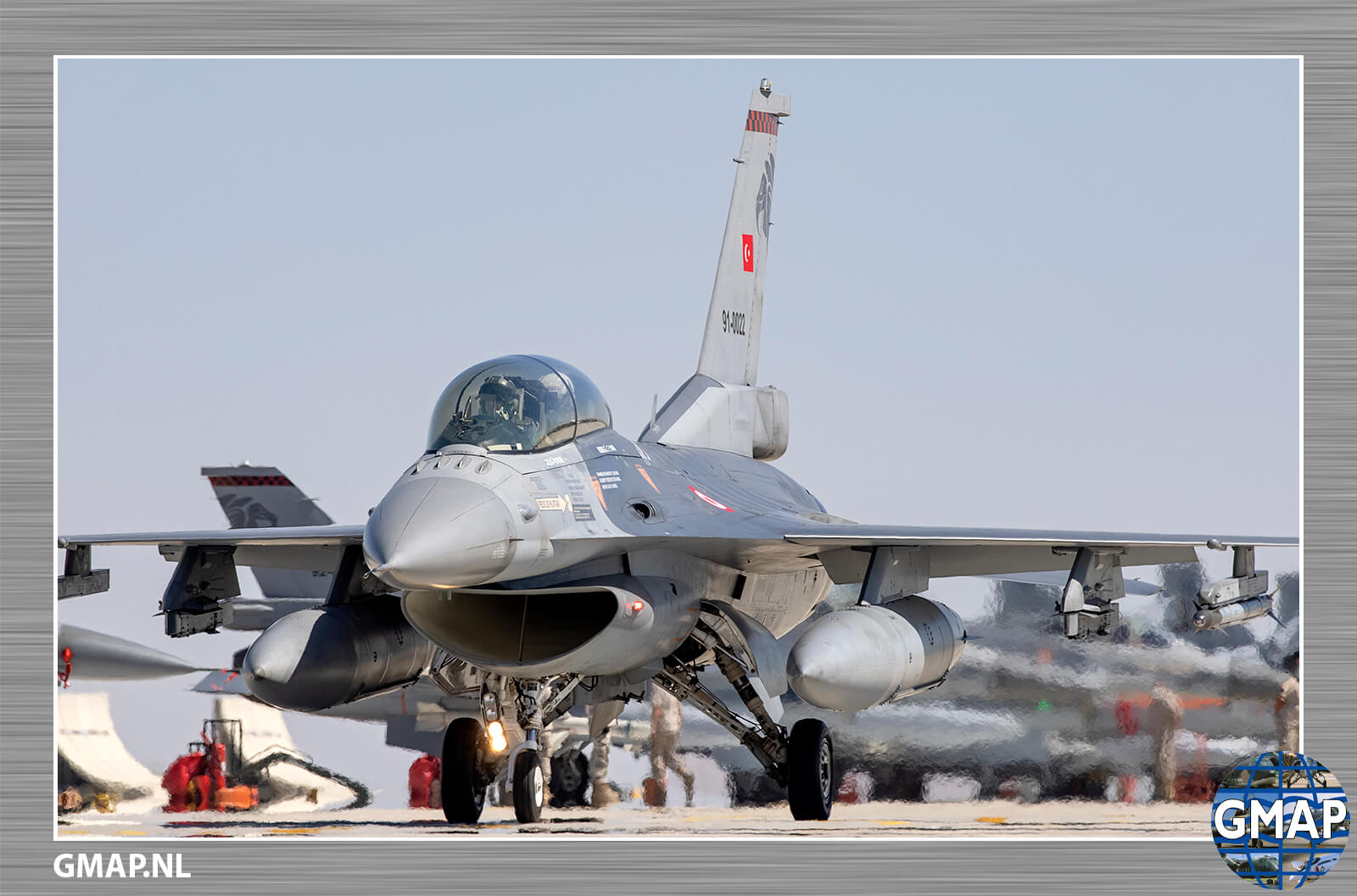
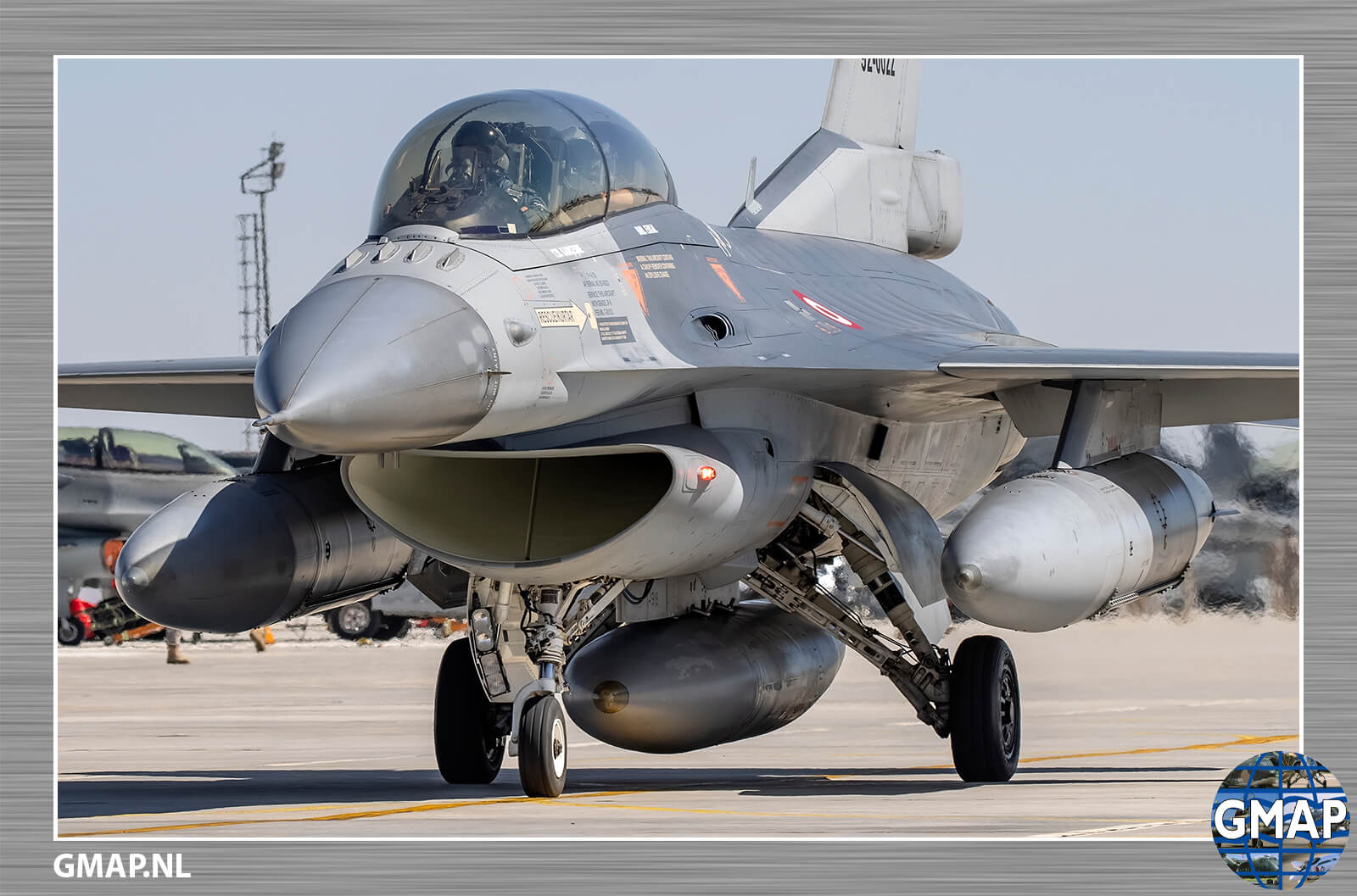
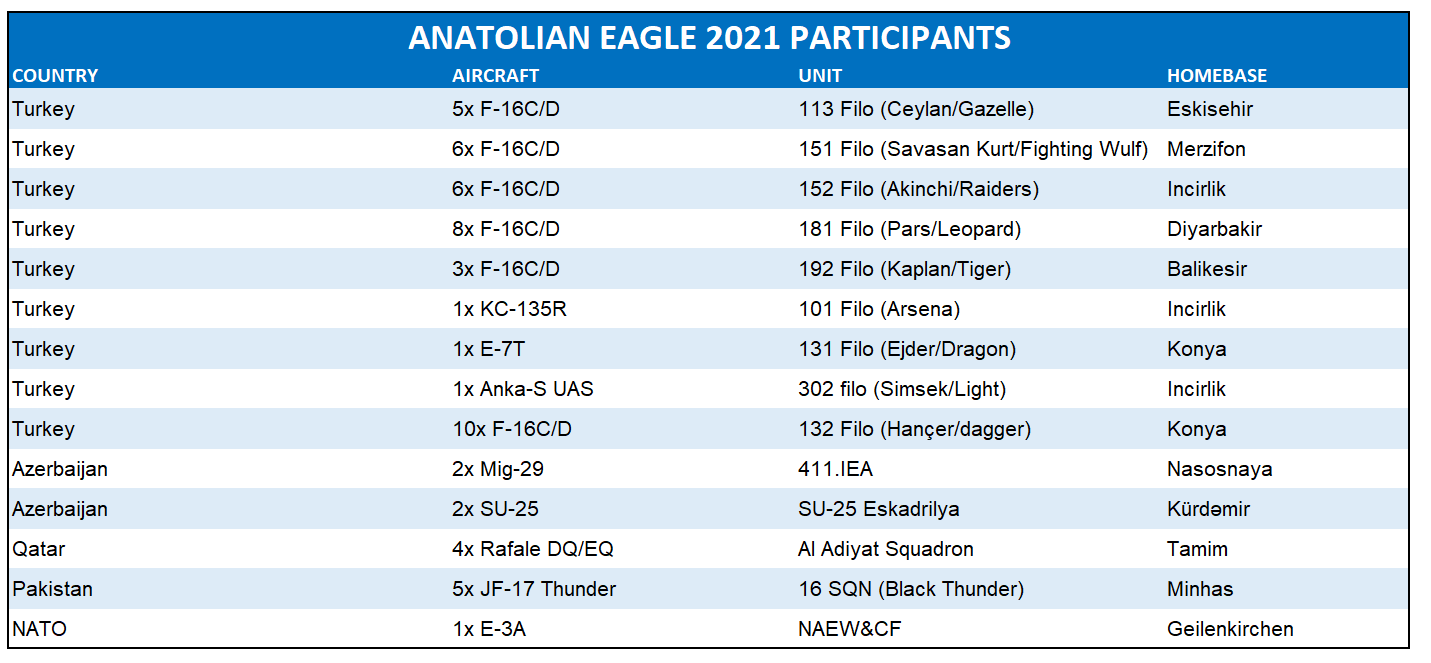
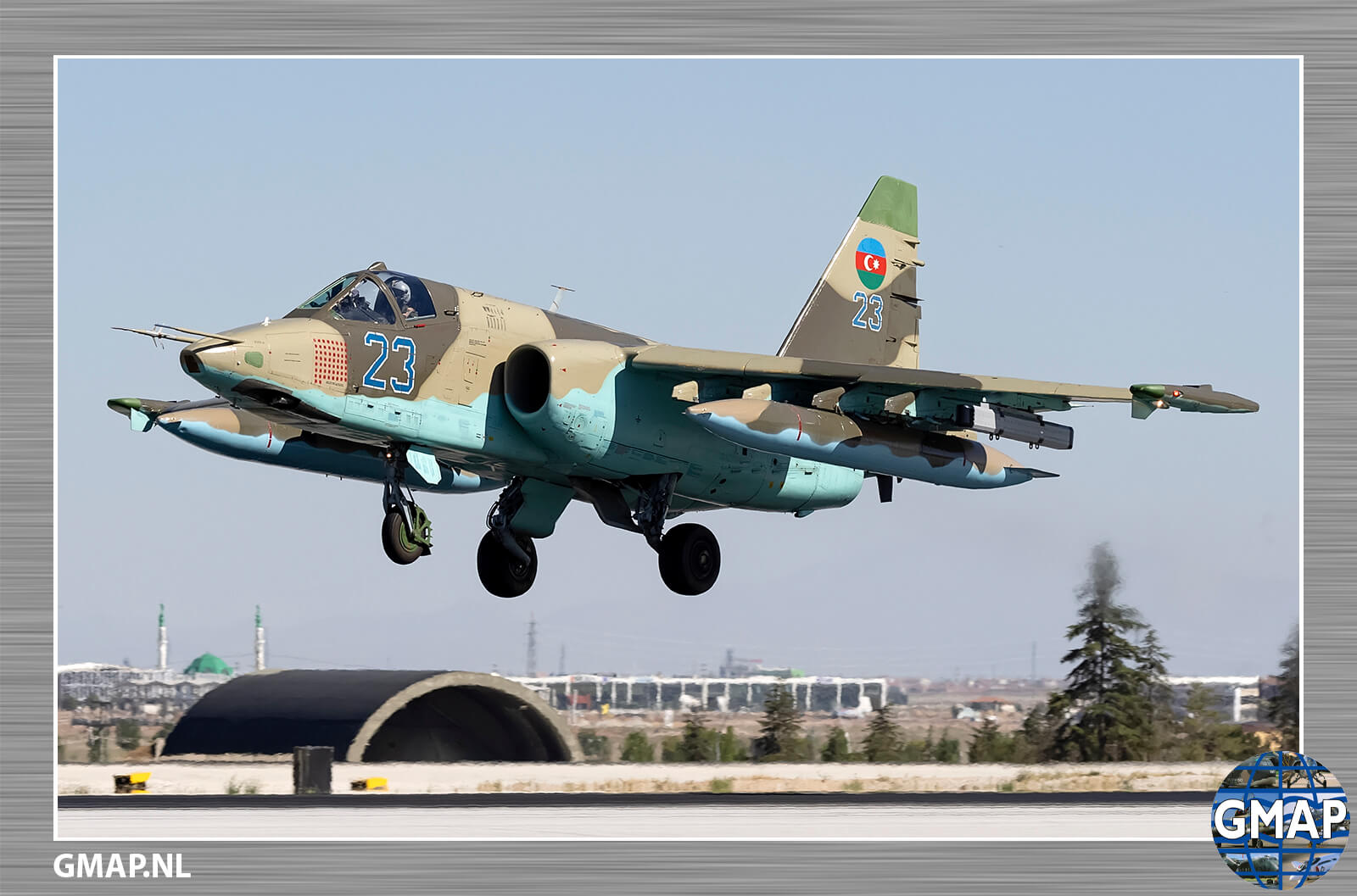
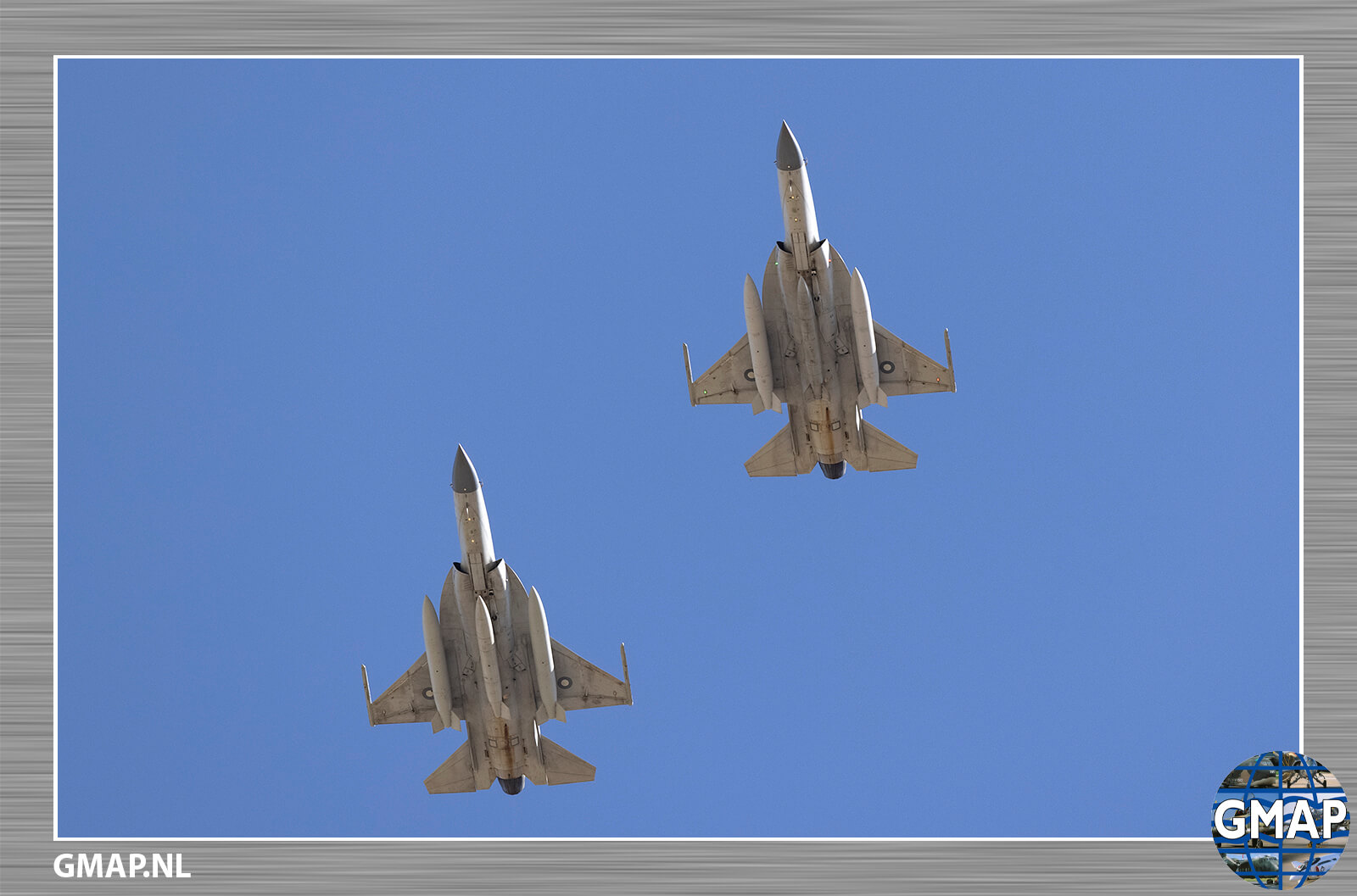
So far, fifteen countries have participated in Anatolian Eagle training, including Belgium, France, Germany, The Netherlands, Israel, Italy, Jordan, Qatar, Pakistan, Saudi Arabia, Spain, Turkey, United Arab Emirates, United Kingdom, U.S.A, Azerbaijan as well as NATO.
The different missions performed by the participating units during Anatolian Eagle are:
- Combat Air Patrol (CAP), Fighter sweep and Fighter escort
- Suppression/destruction of Enemy Air Defences (SEAD)
- Close Air Support (CAS)
- Combat Search and Rescue (CSAR)
- Air-to-ground attack
- High value asset protection
- Reconnaissance
- Slow mover protection
Since the establishment in 2001, 43 Anatolian Eagle trainings have been performed and more then 33.000 military personal and more then 2000 planes participated. All these aircraft executed arround 24.000 sorties in the dedicated military training area.