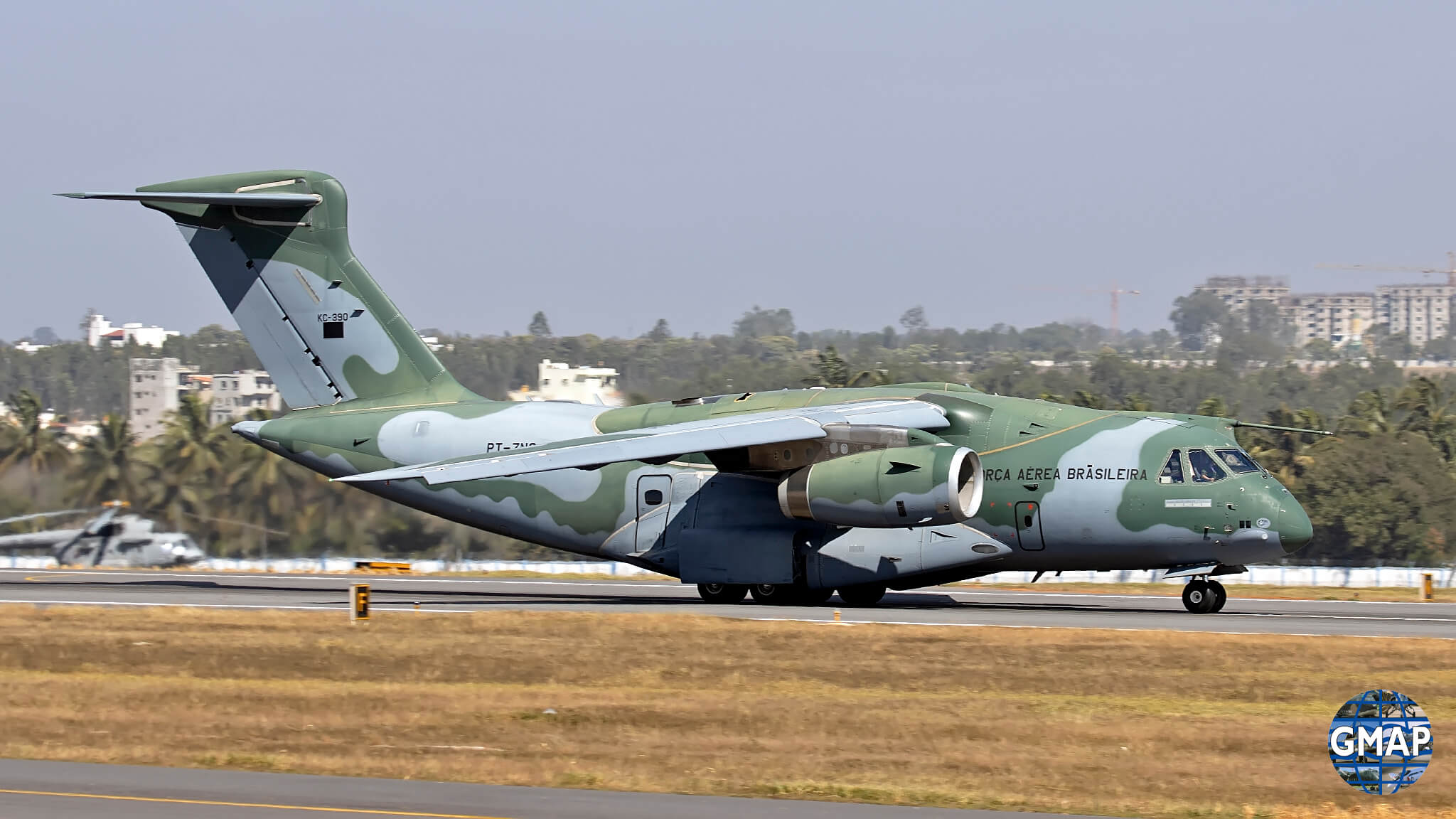
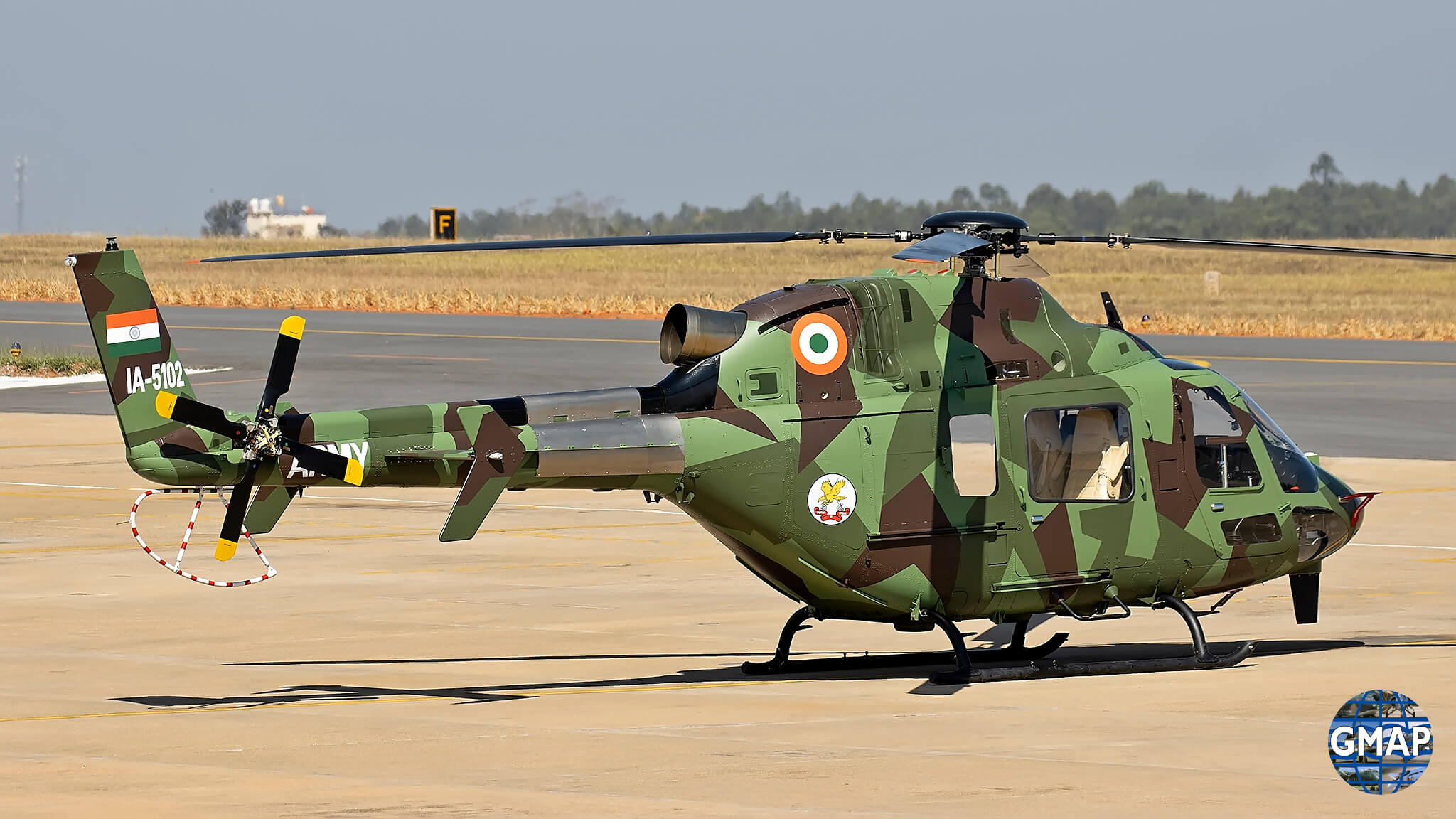
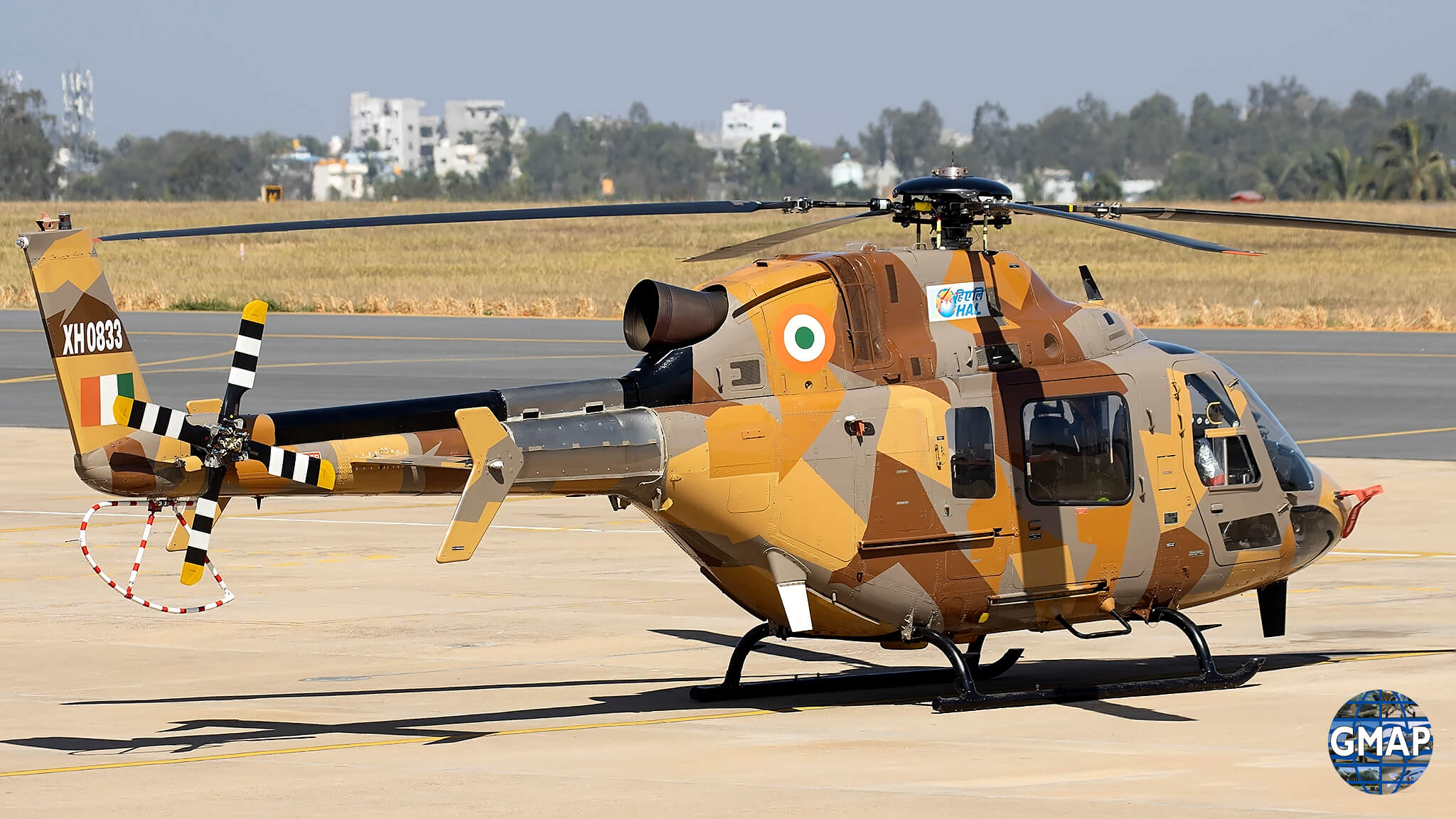
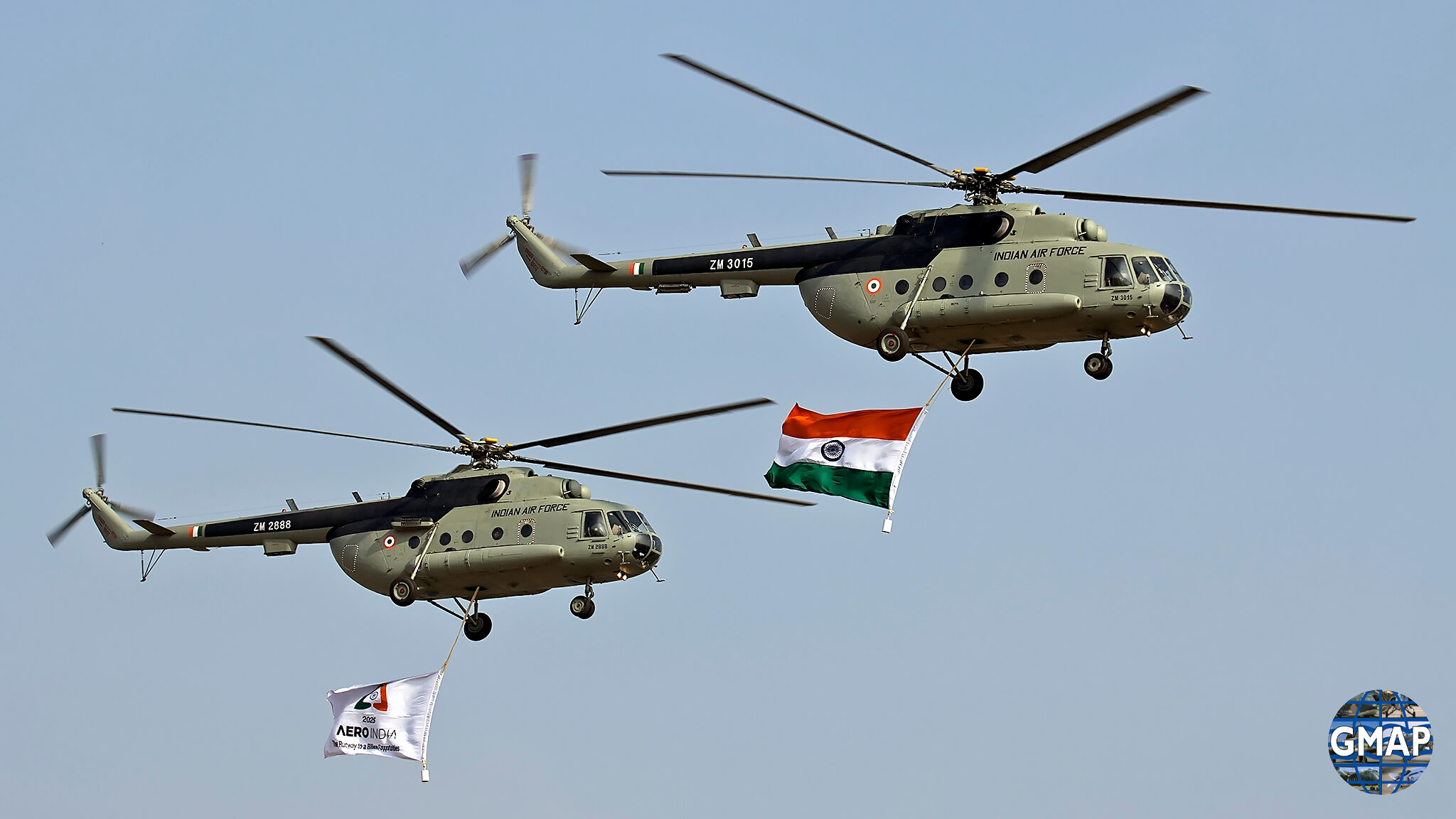
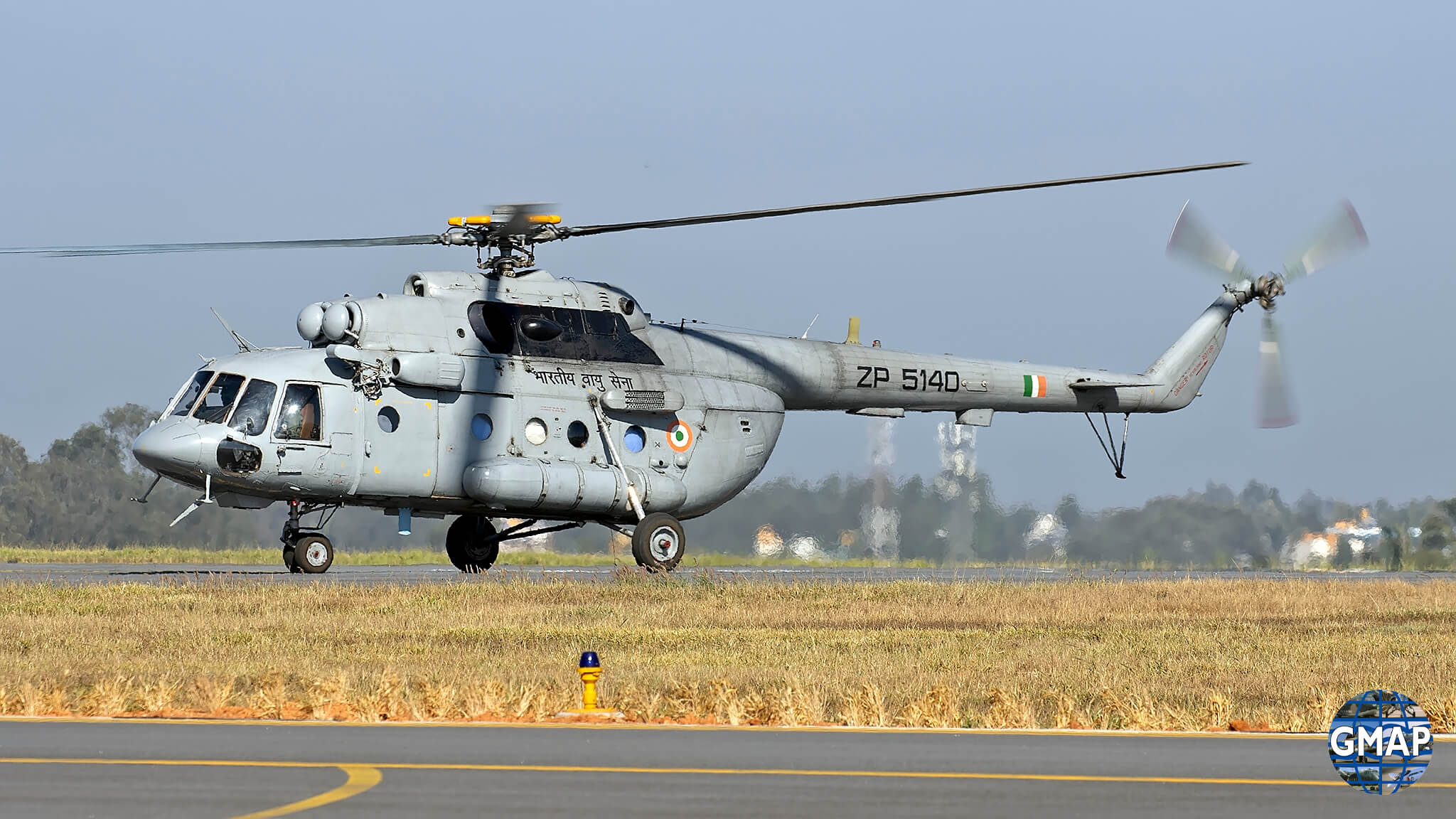
AERO INDIA 2025 – BANGALORE, INDIA

By Hans van der Wilt | GMAP.NL Team | February 2025

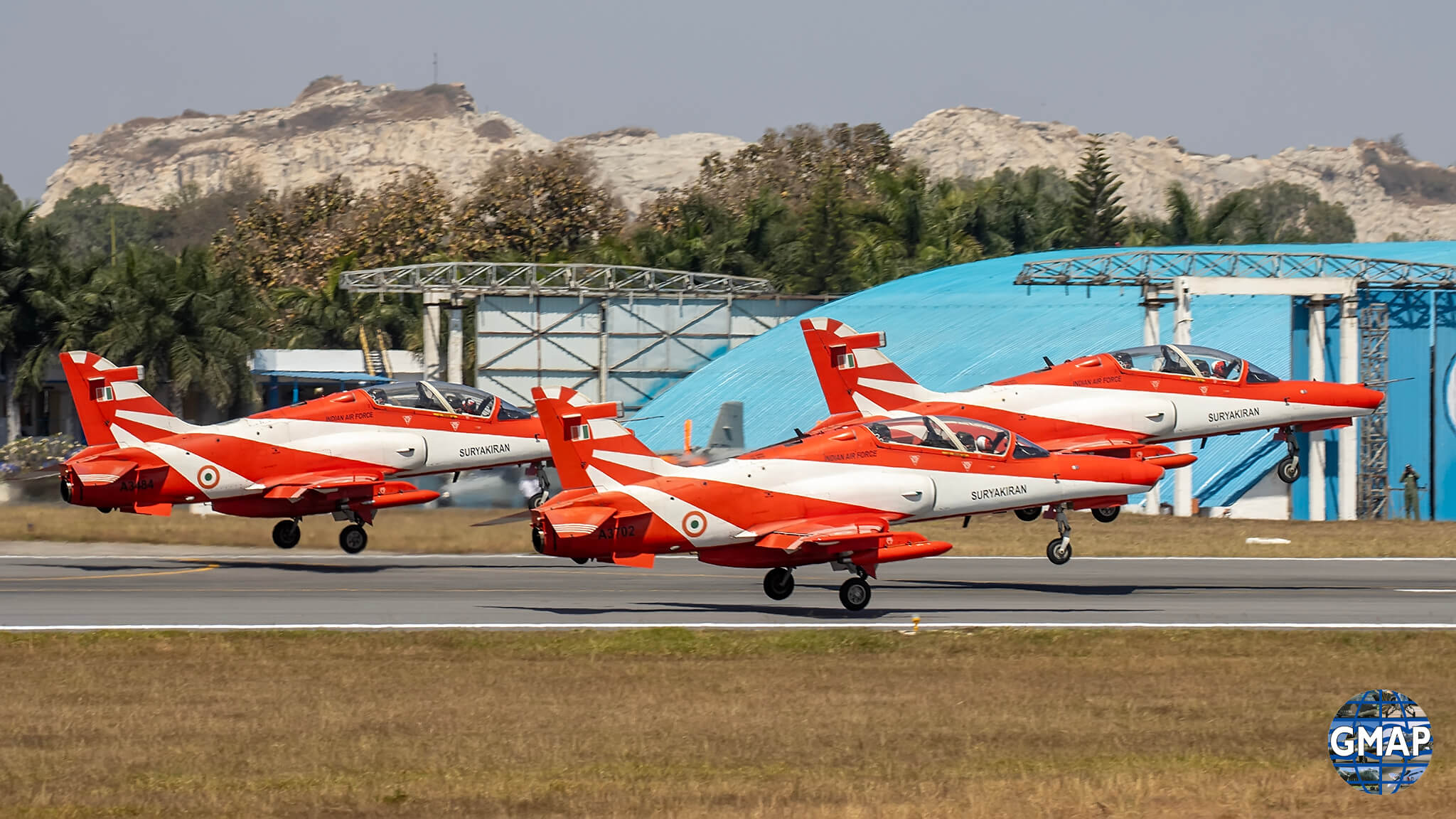
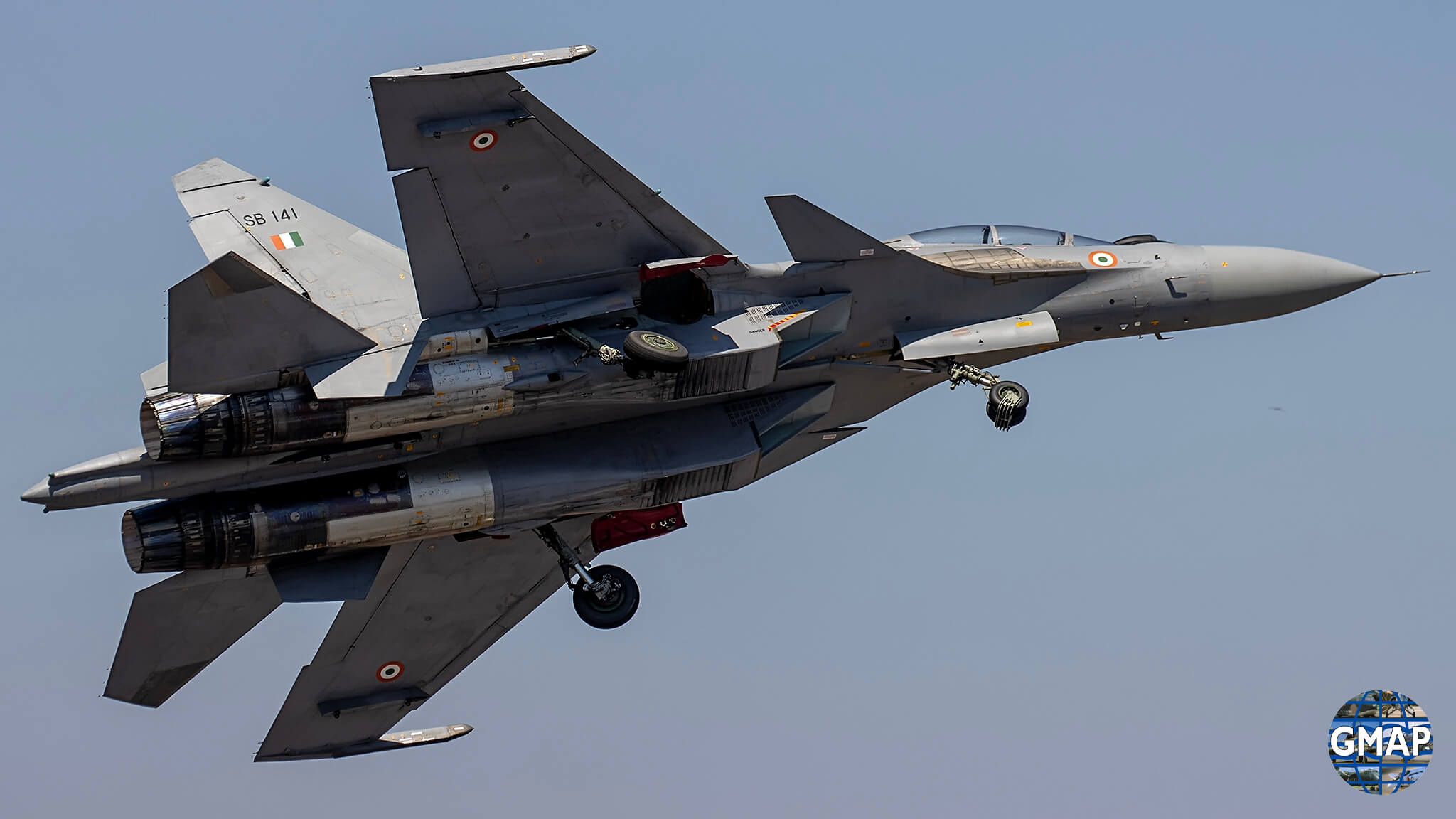
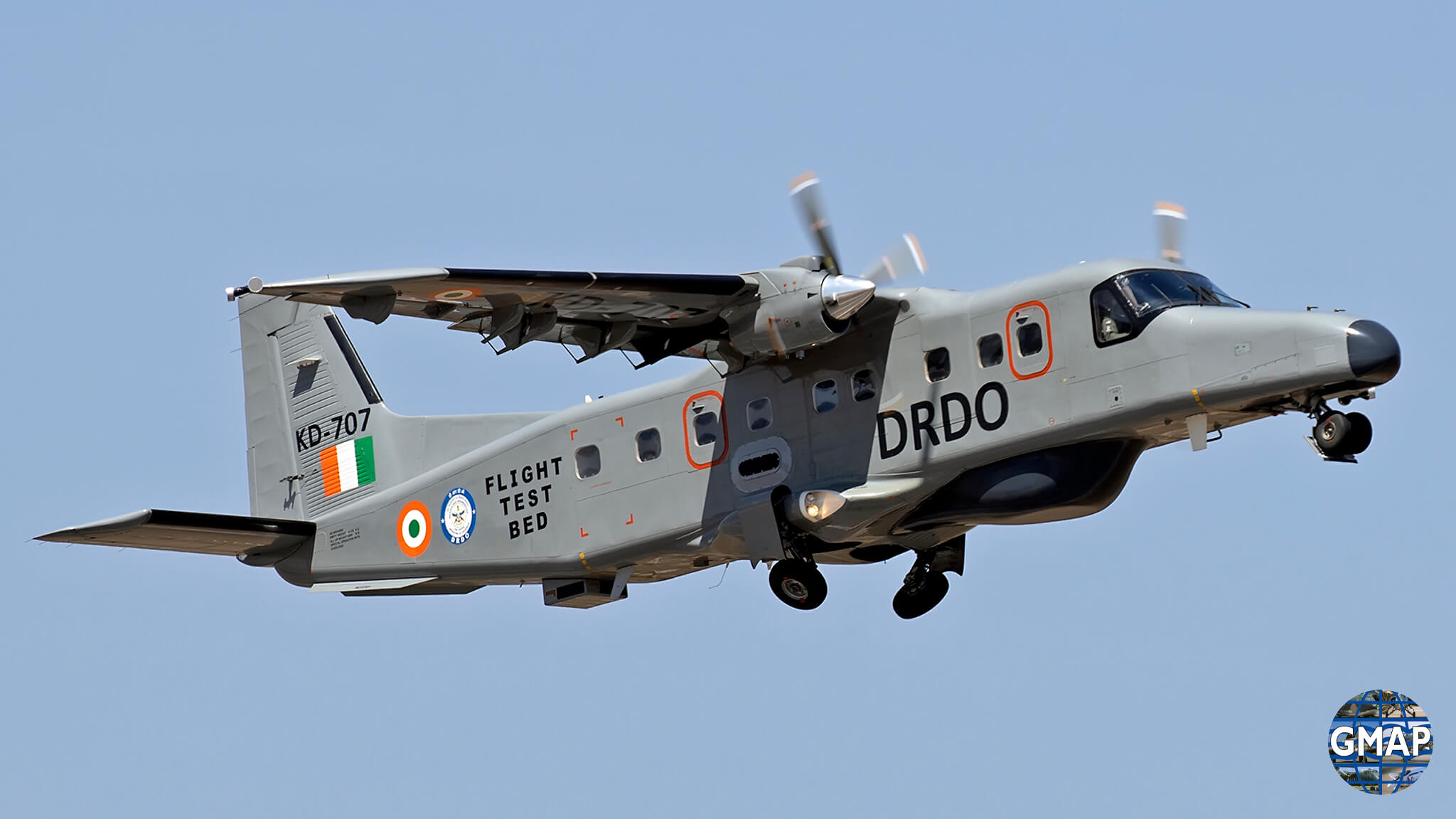
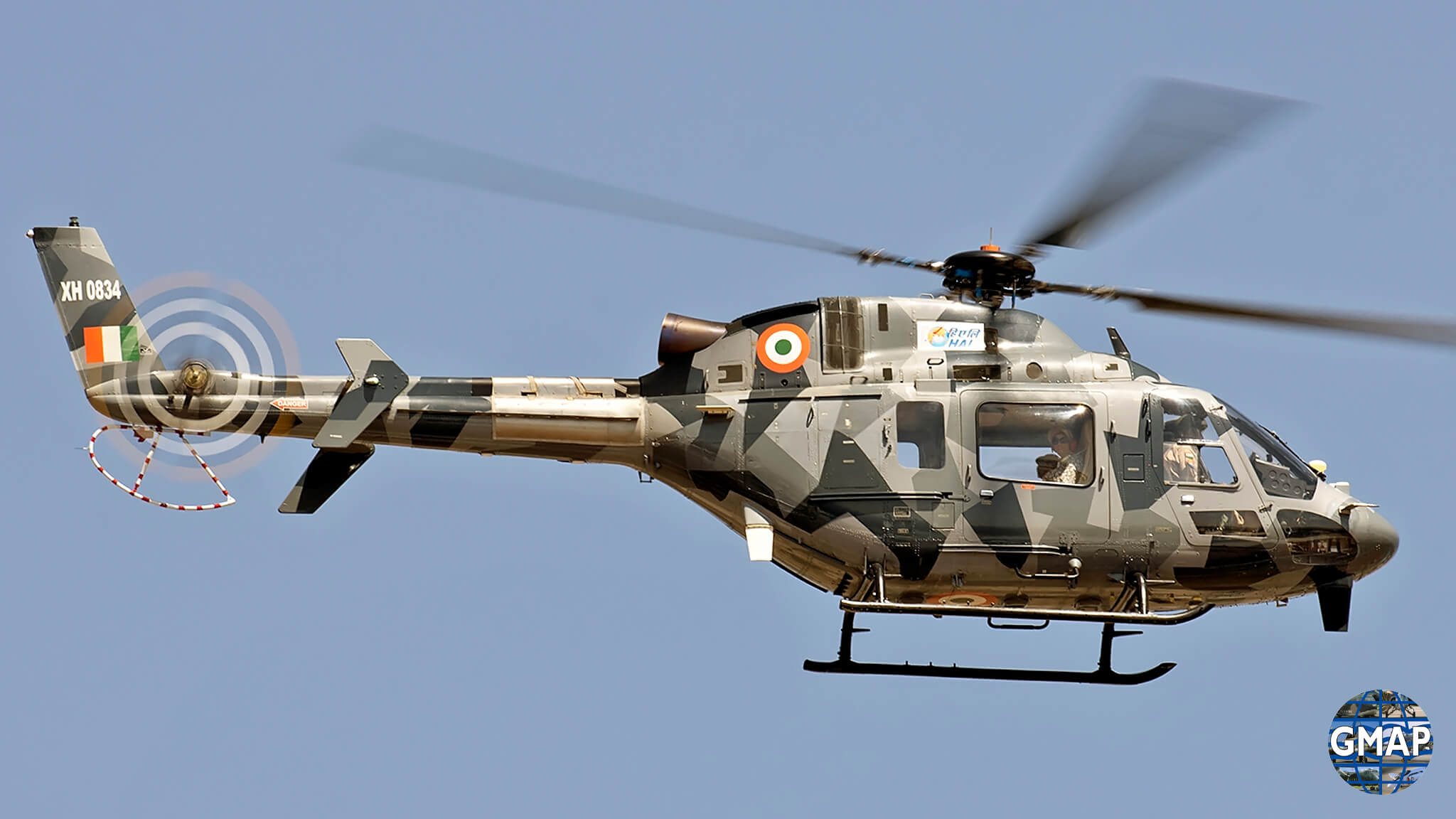
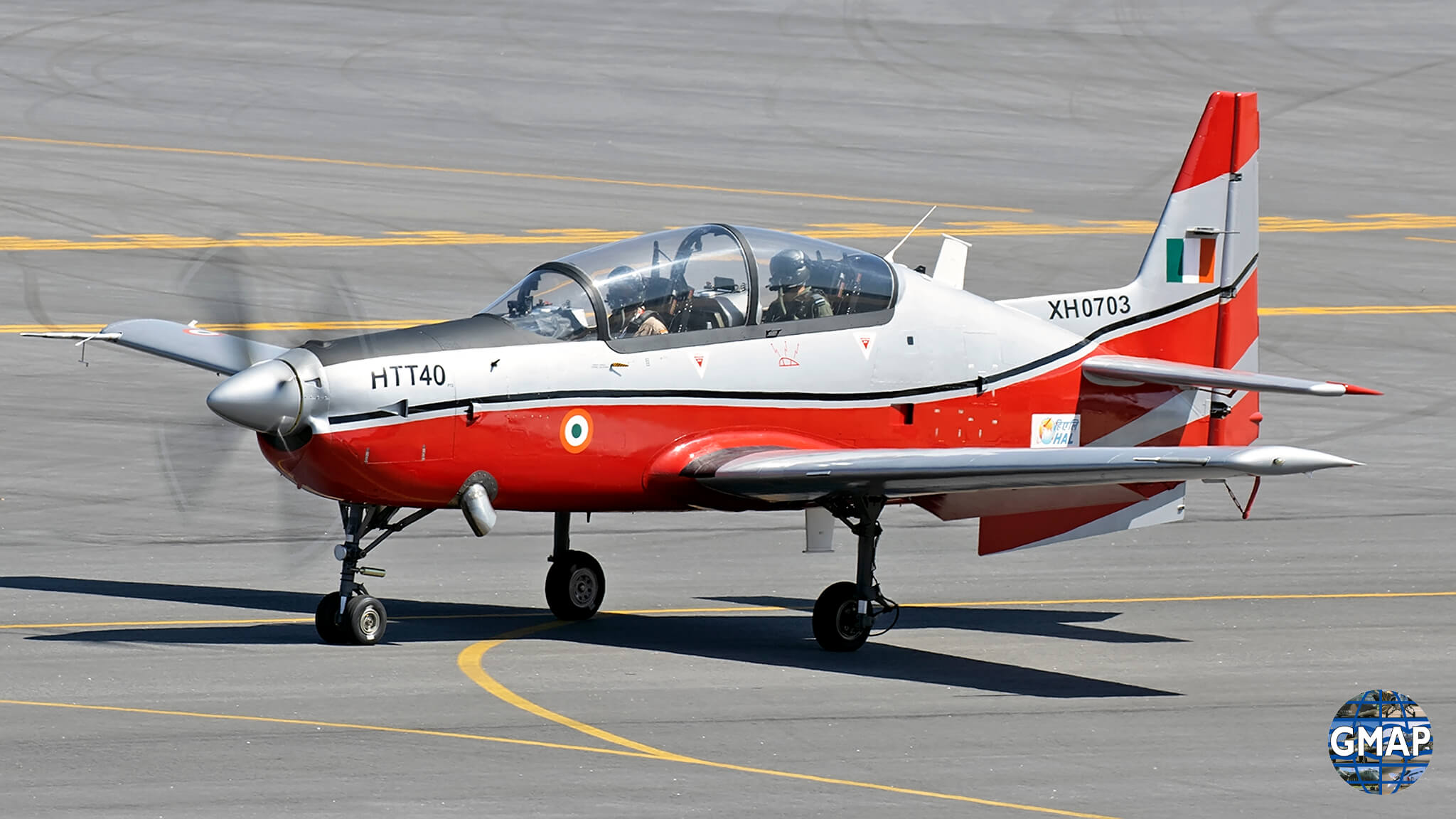
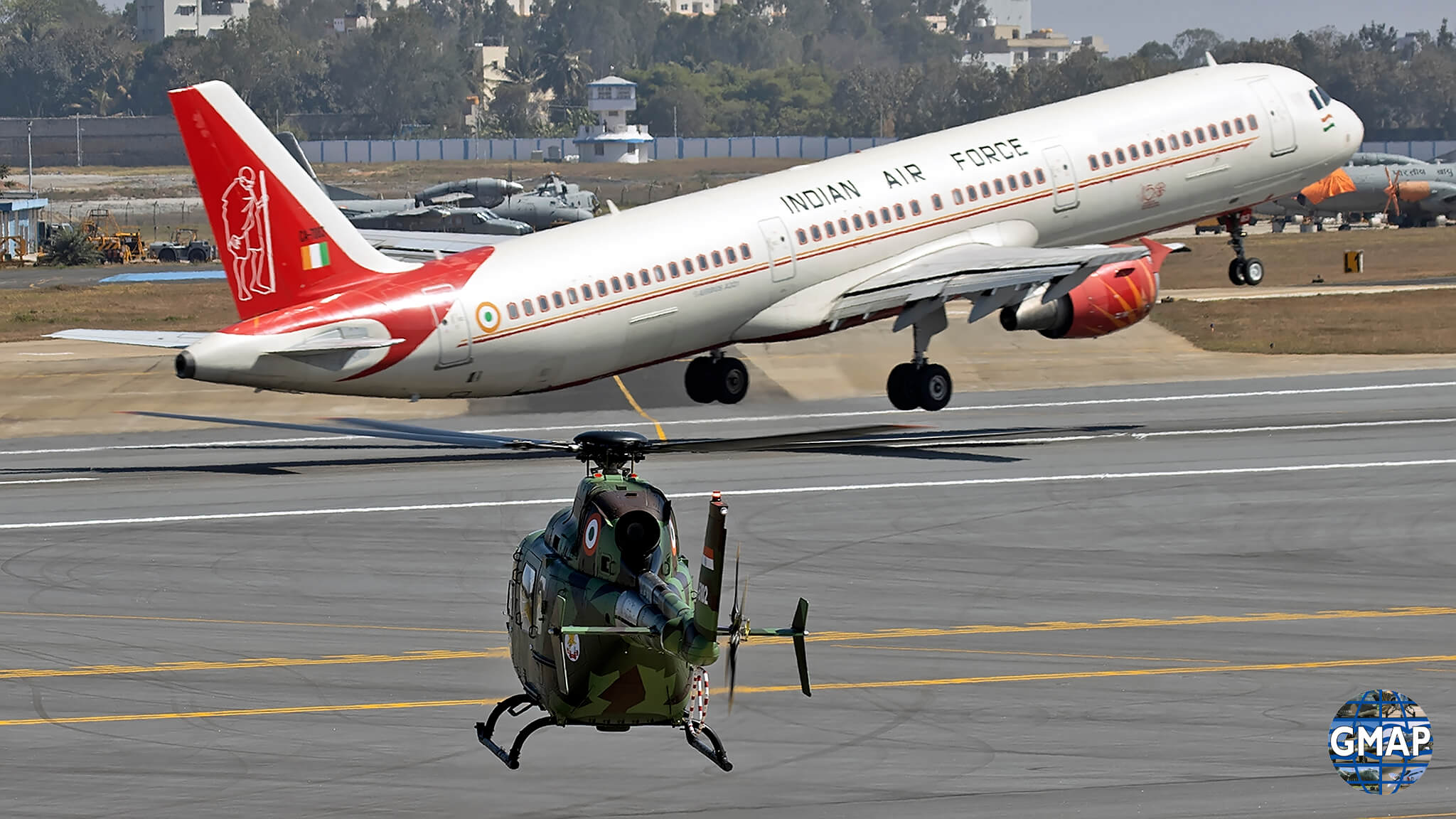
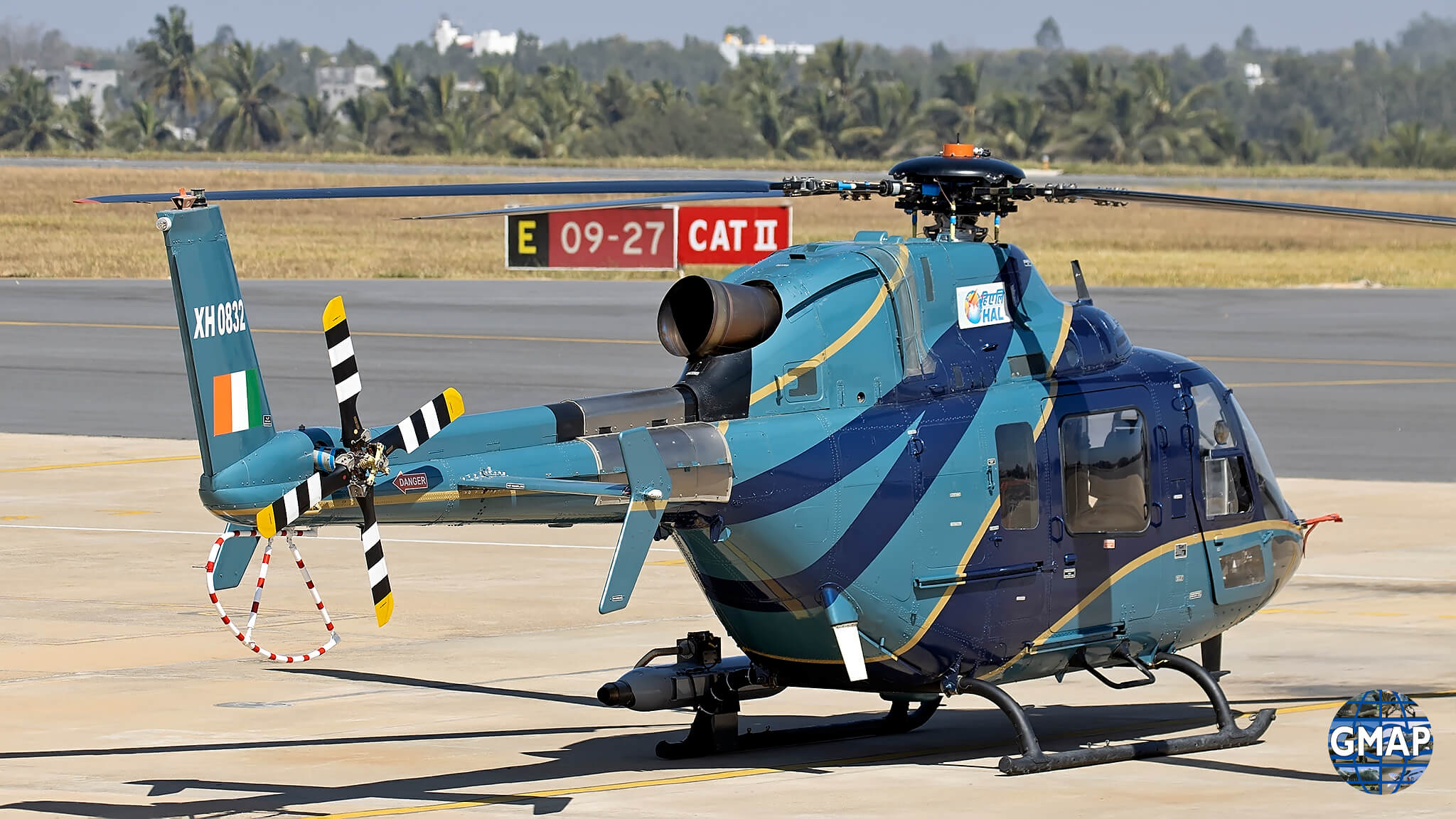
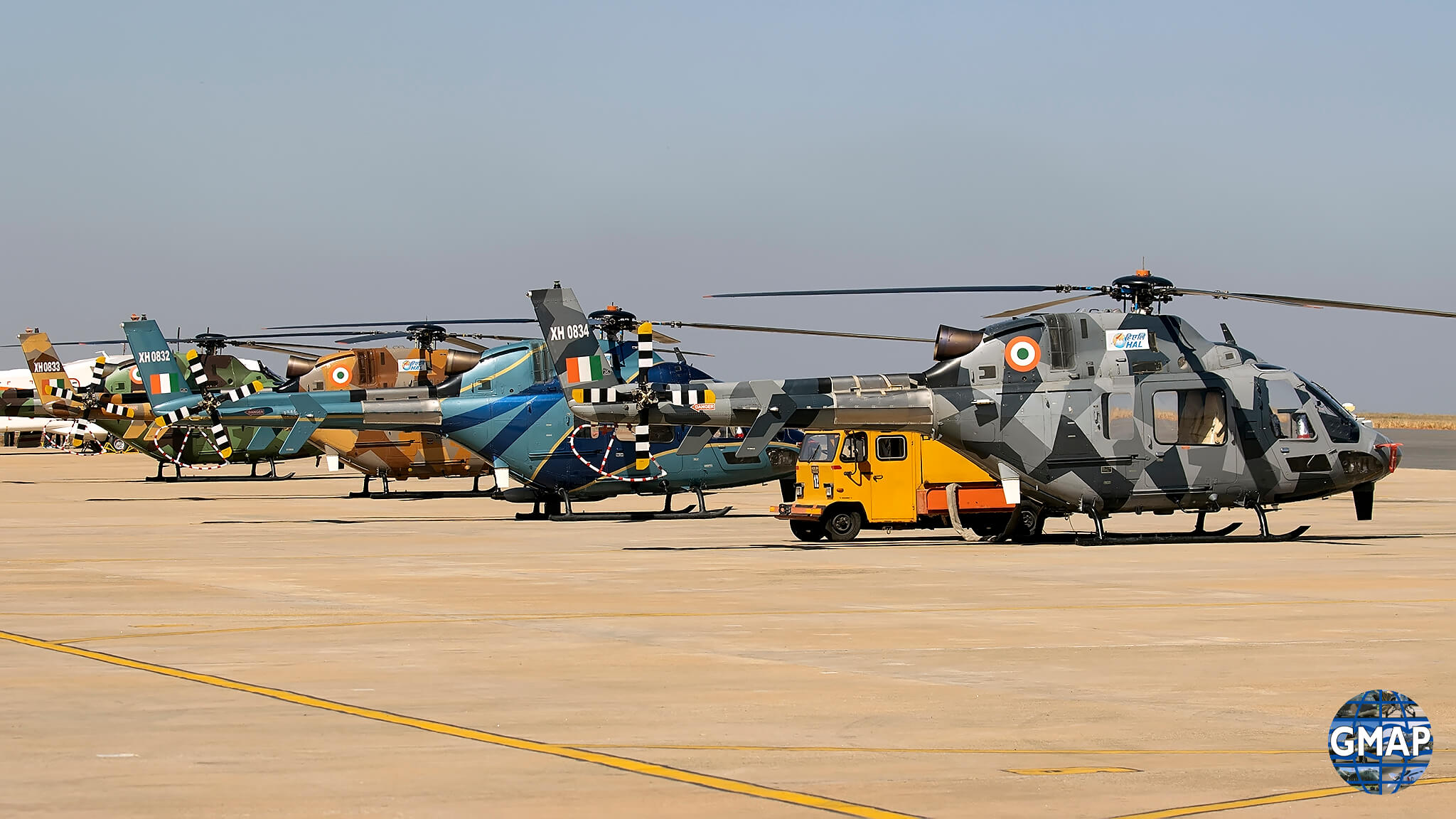
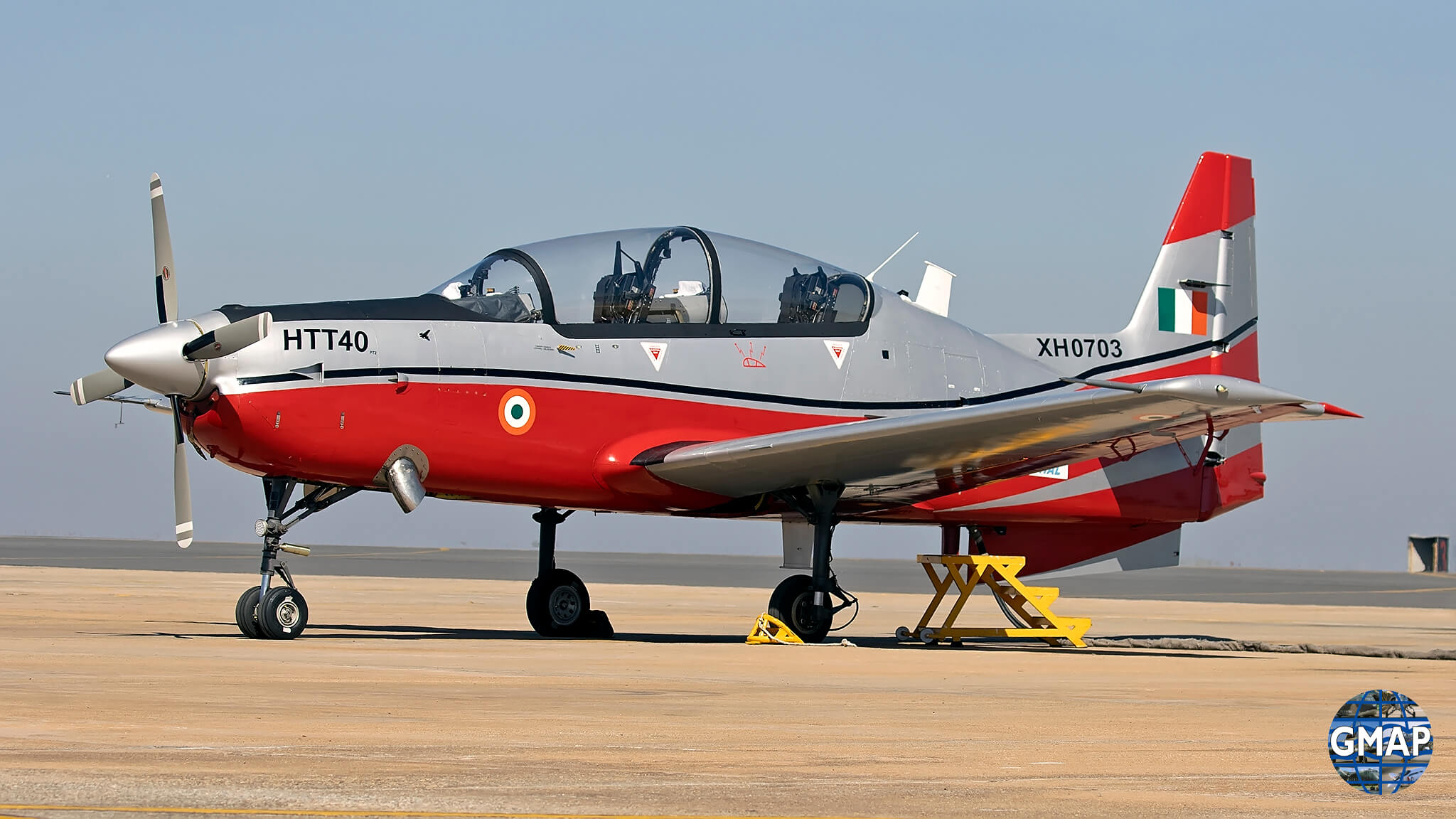
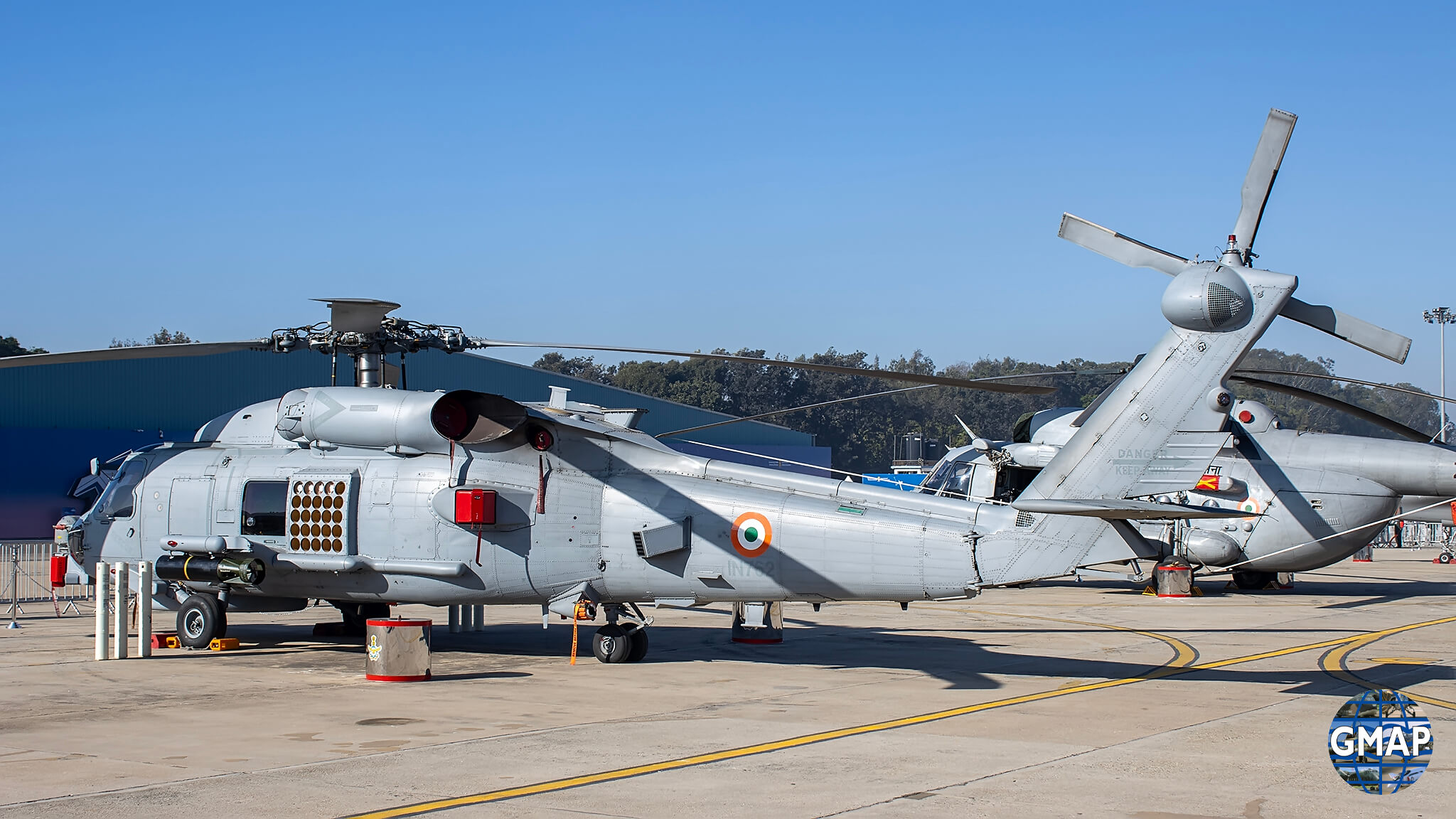
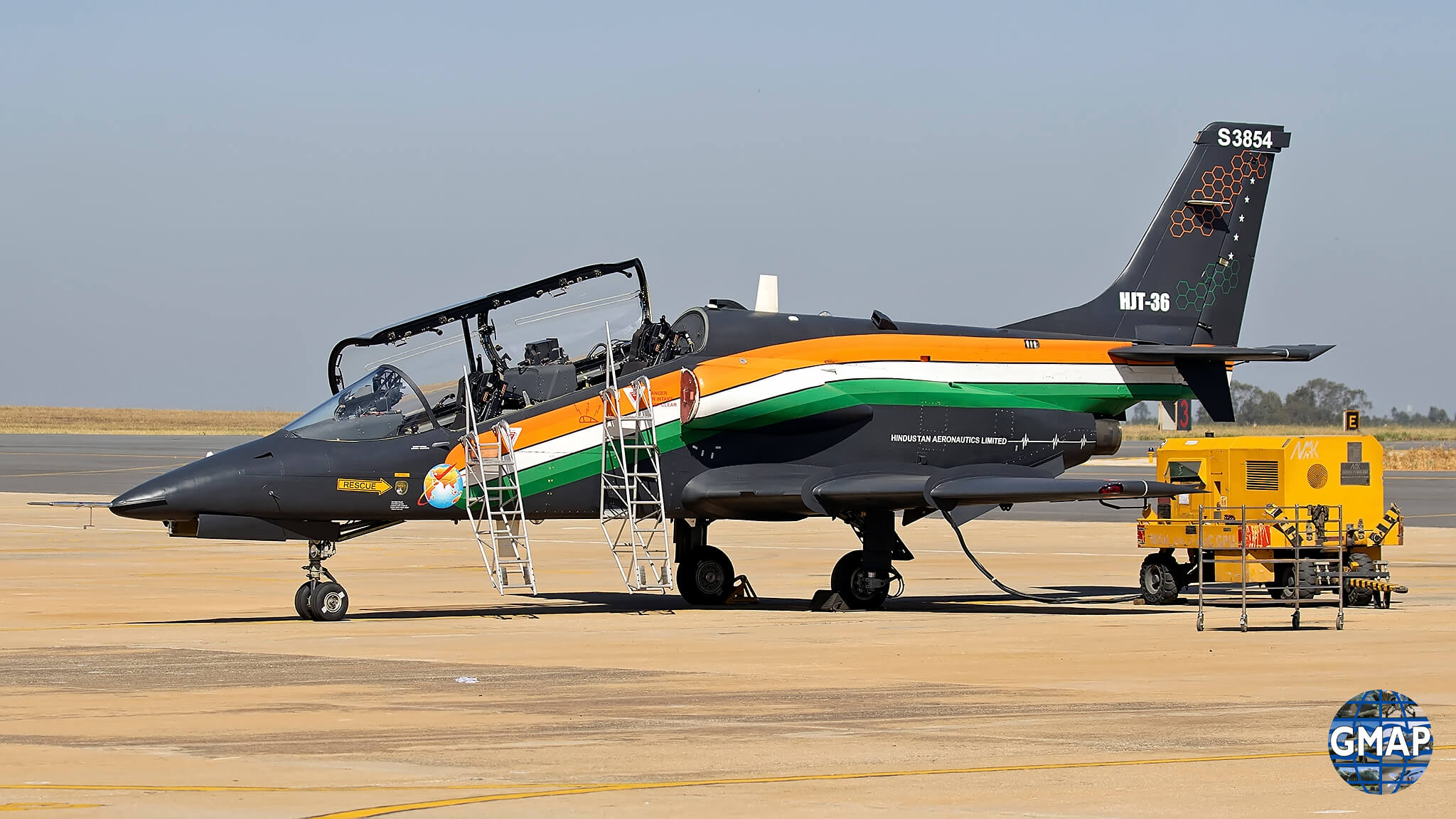
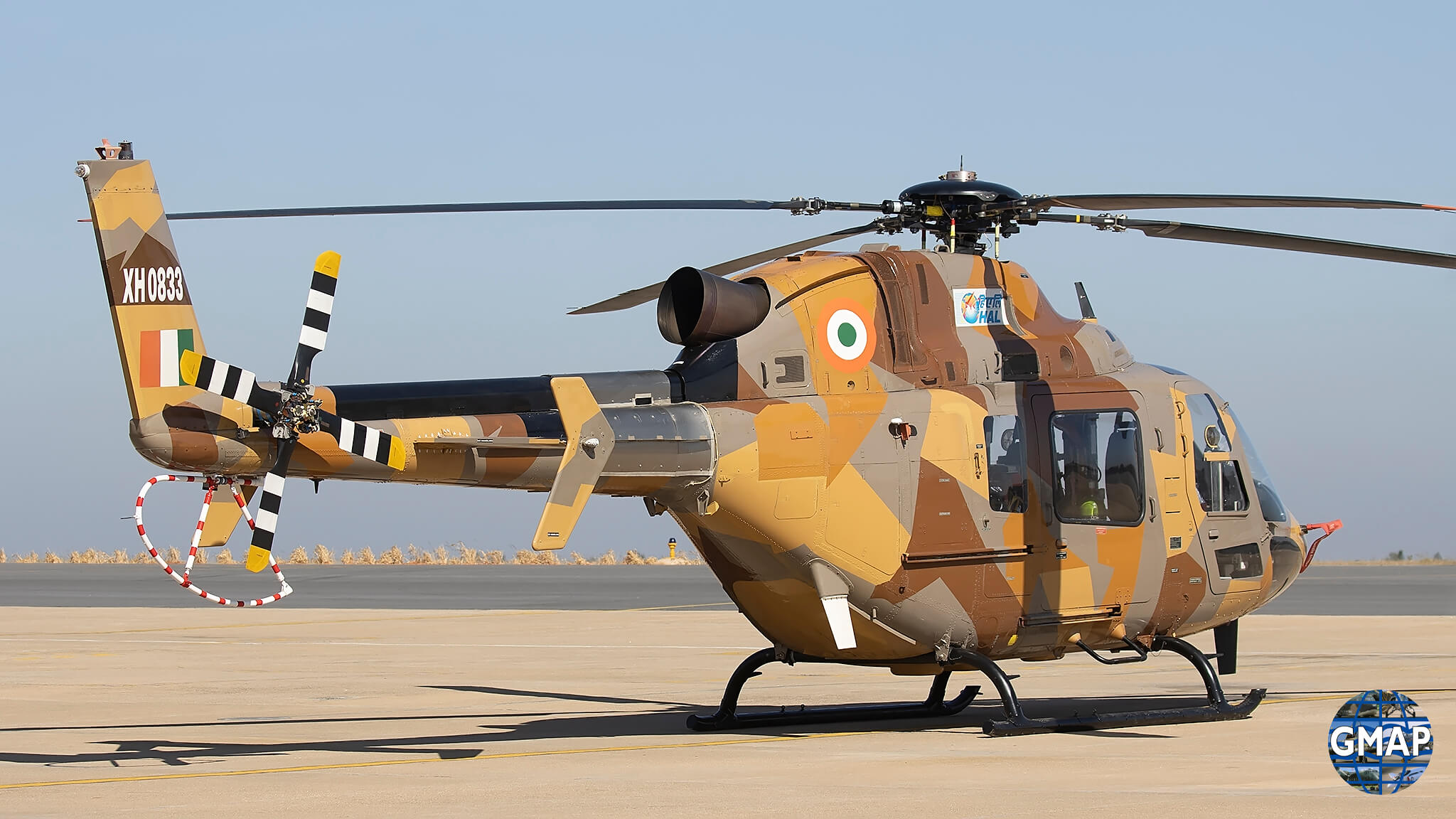
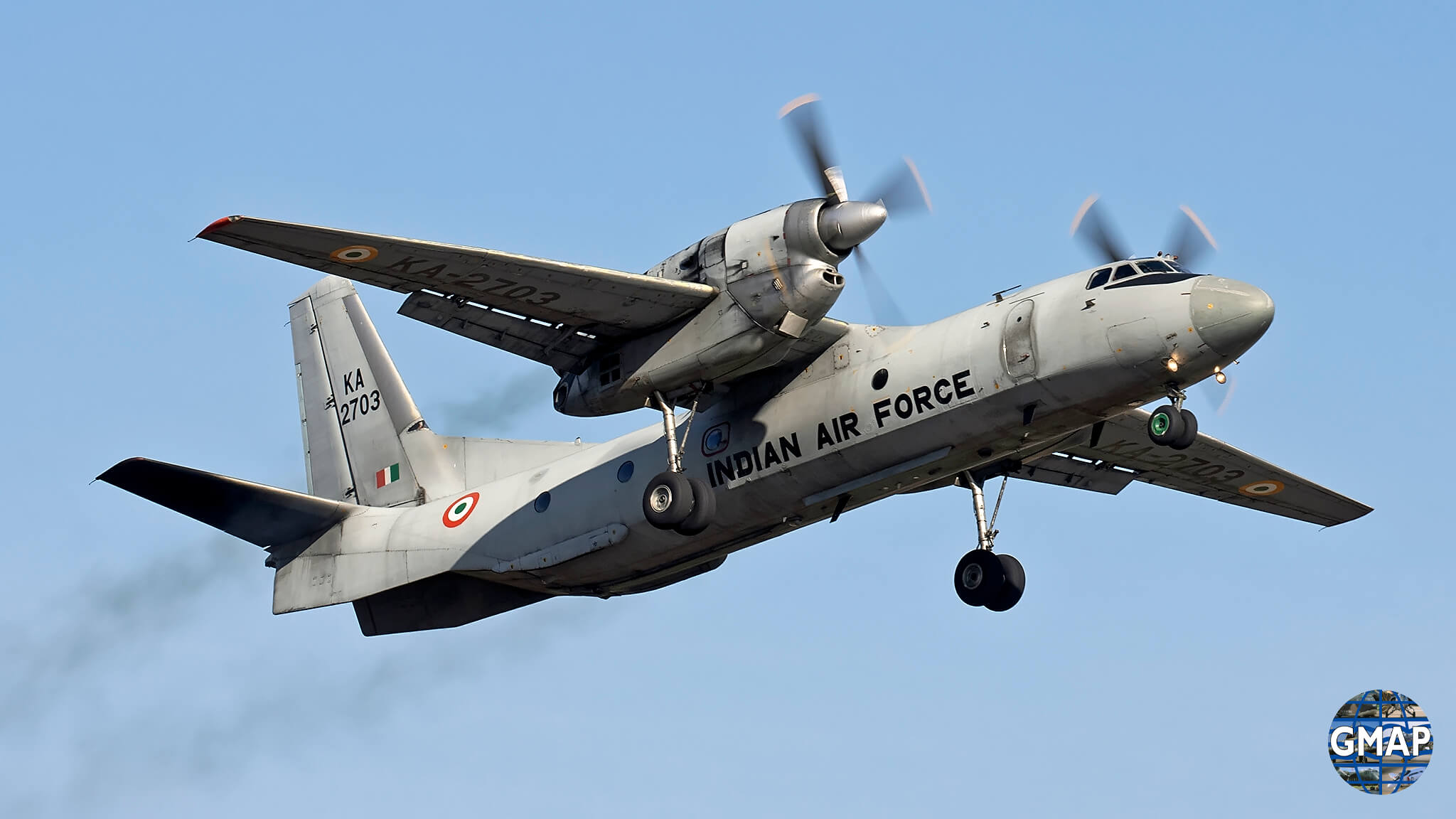
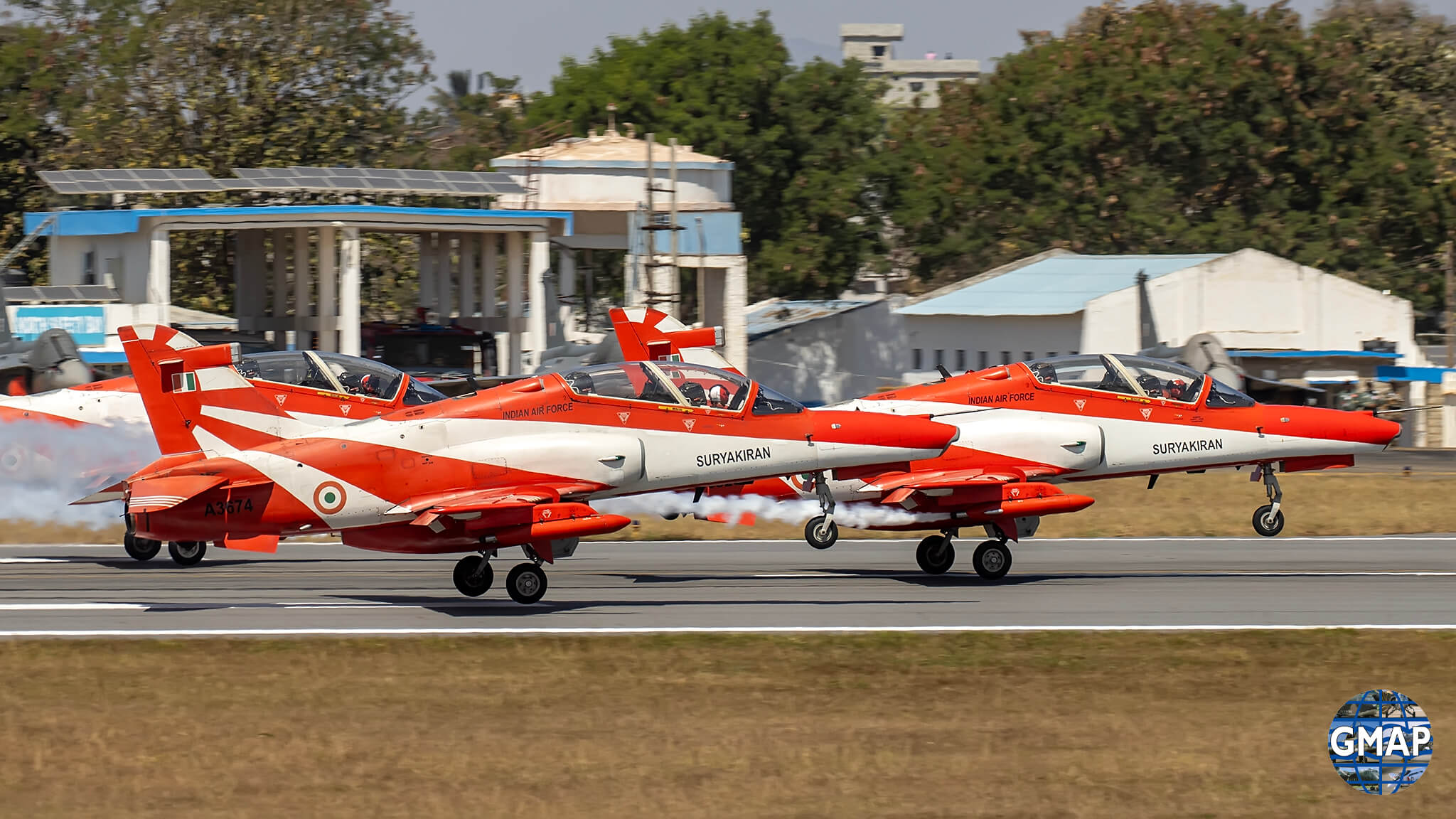
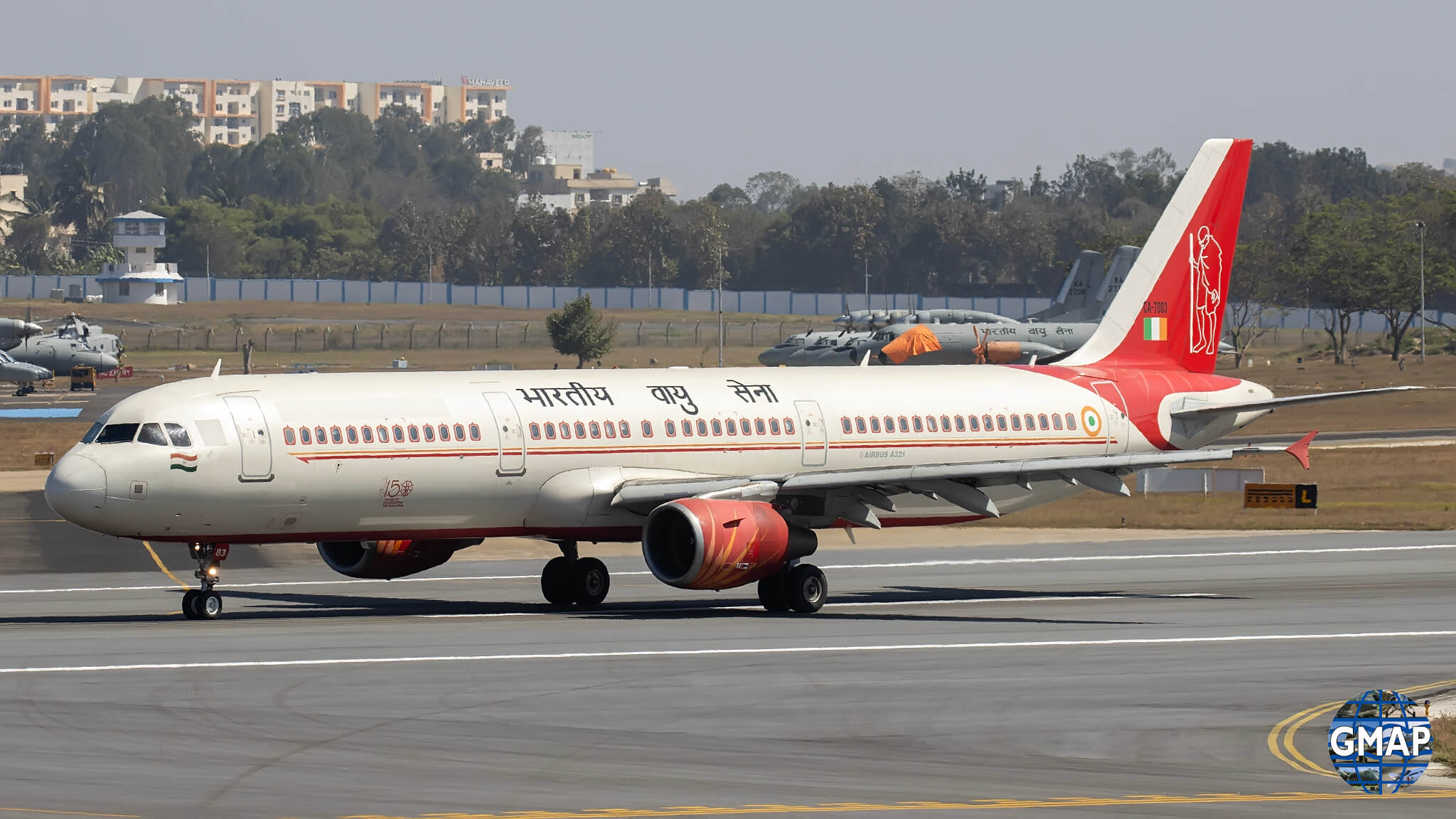
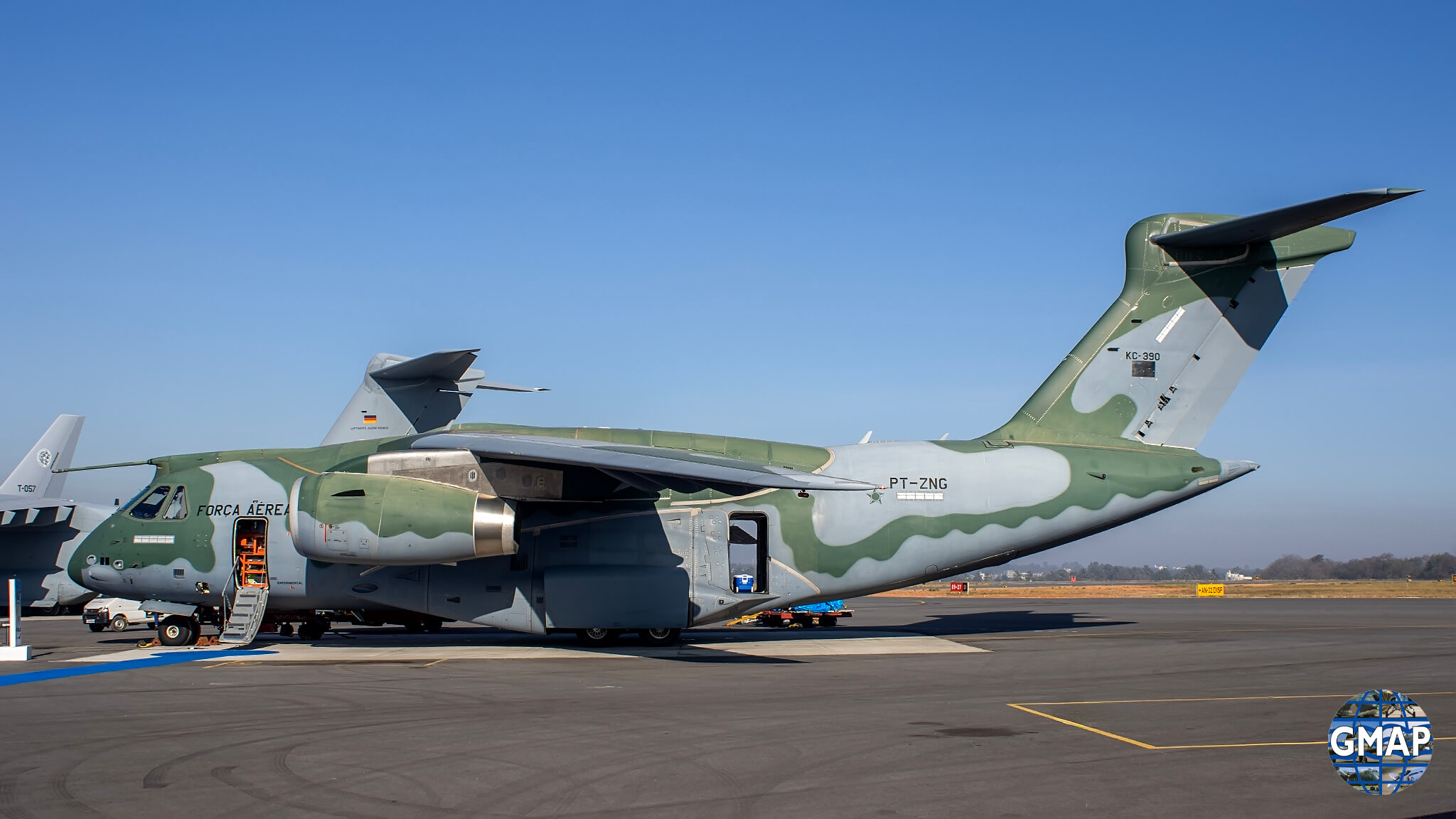
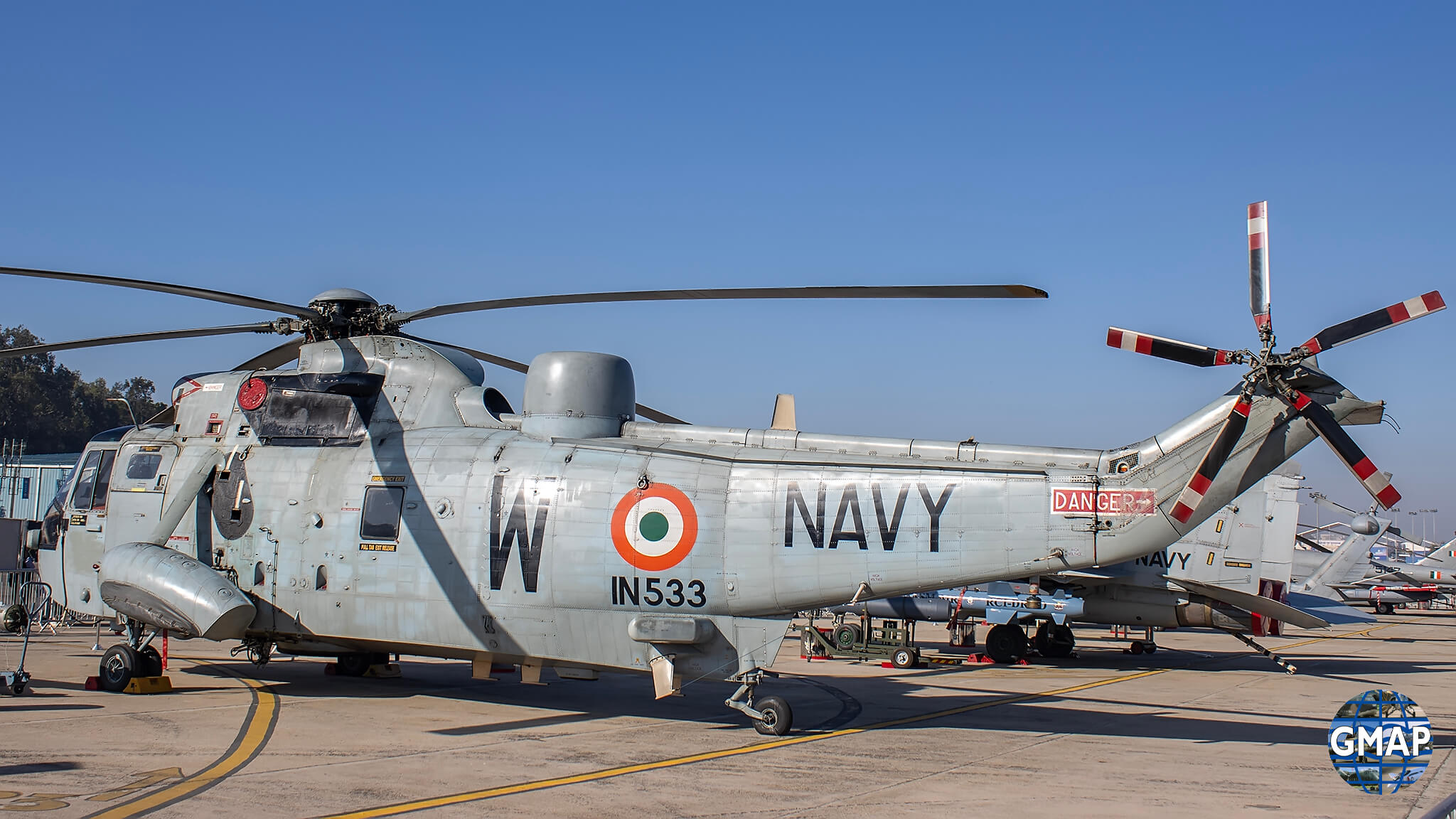
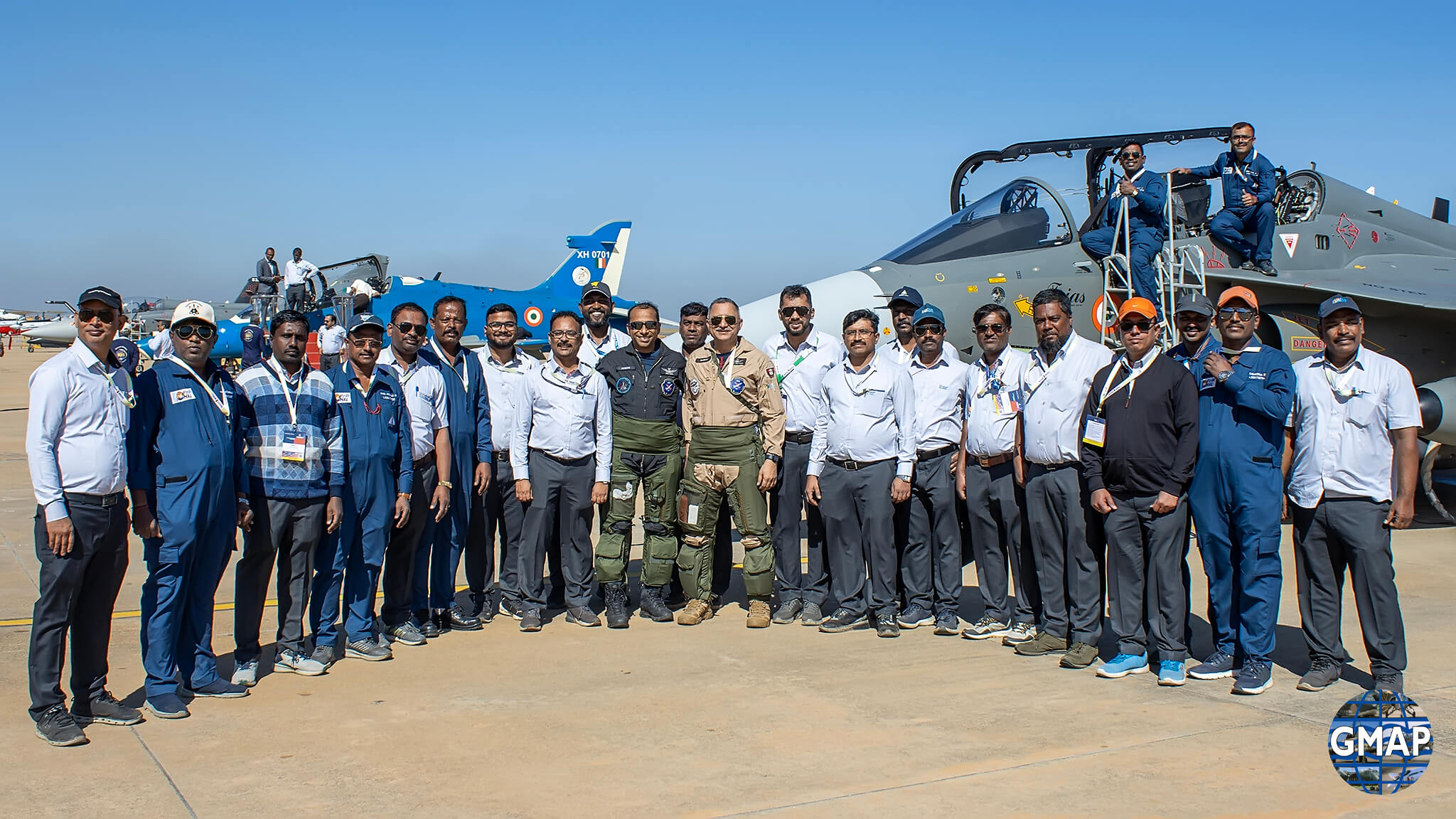
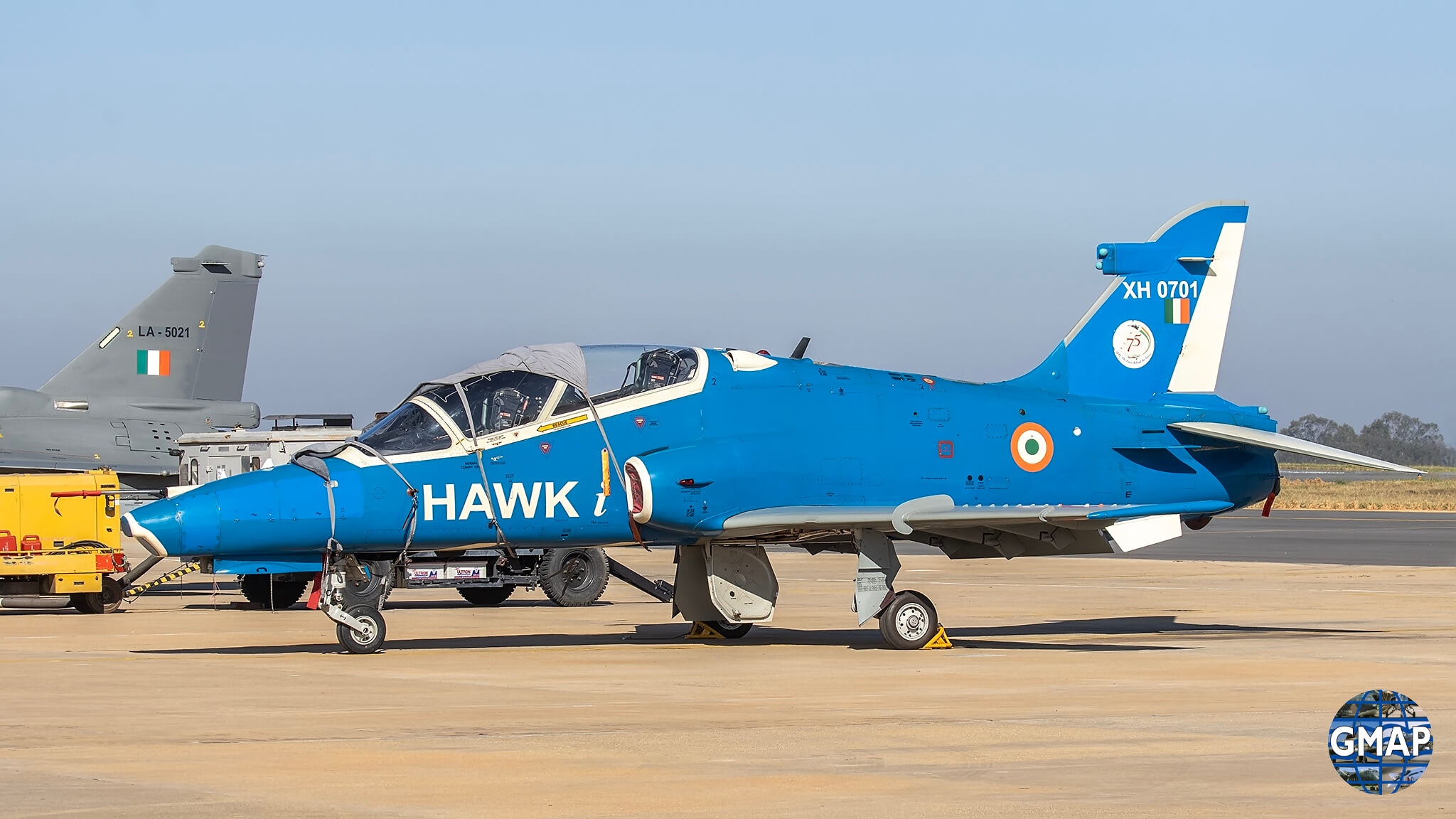
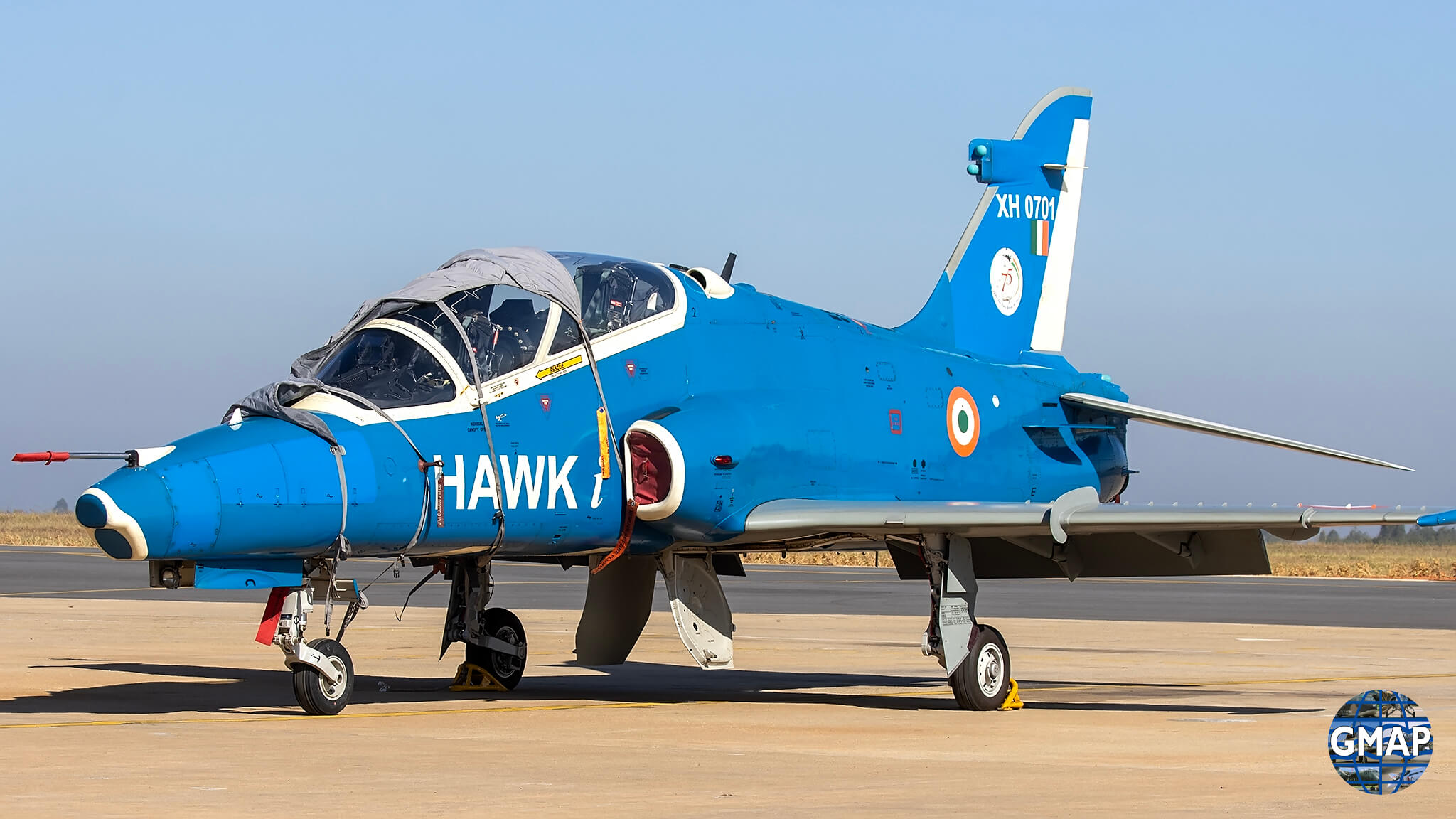
Aero India 2025, the 15th edition of Asia’s premier aerospace exhibition, concluded on February 14 at the Yelahanka Air Force Station in Bengaluru. The event, spanning five days from February 10 to 14, showcased India’s burgeoning defense manufacturing capabilities and its aspirations to become a significant player in the global defense market.

Inauguration and Objectives

Inaugurated by Defence Minister Rajnath Singh, Aero India 2025 emphasized India’s commitment to enhancing defense production and exports. The government has set ambitious targets, aiming for over 1.25 trillion rupees in domestic defense production and exceeding 210 billion rupees in defense exports by the end of March. The theme of this year’s event, “The Runway to a Billion Opportunities,” underscored India’s intent to foster partnerships between Indian and foreign entities, promoting indigenous manufacturing and technological advancements.

International Participation and Notable Displays

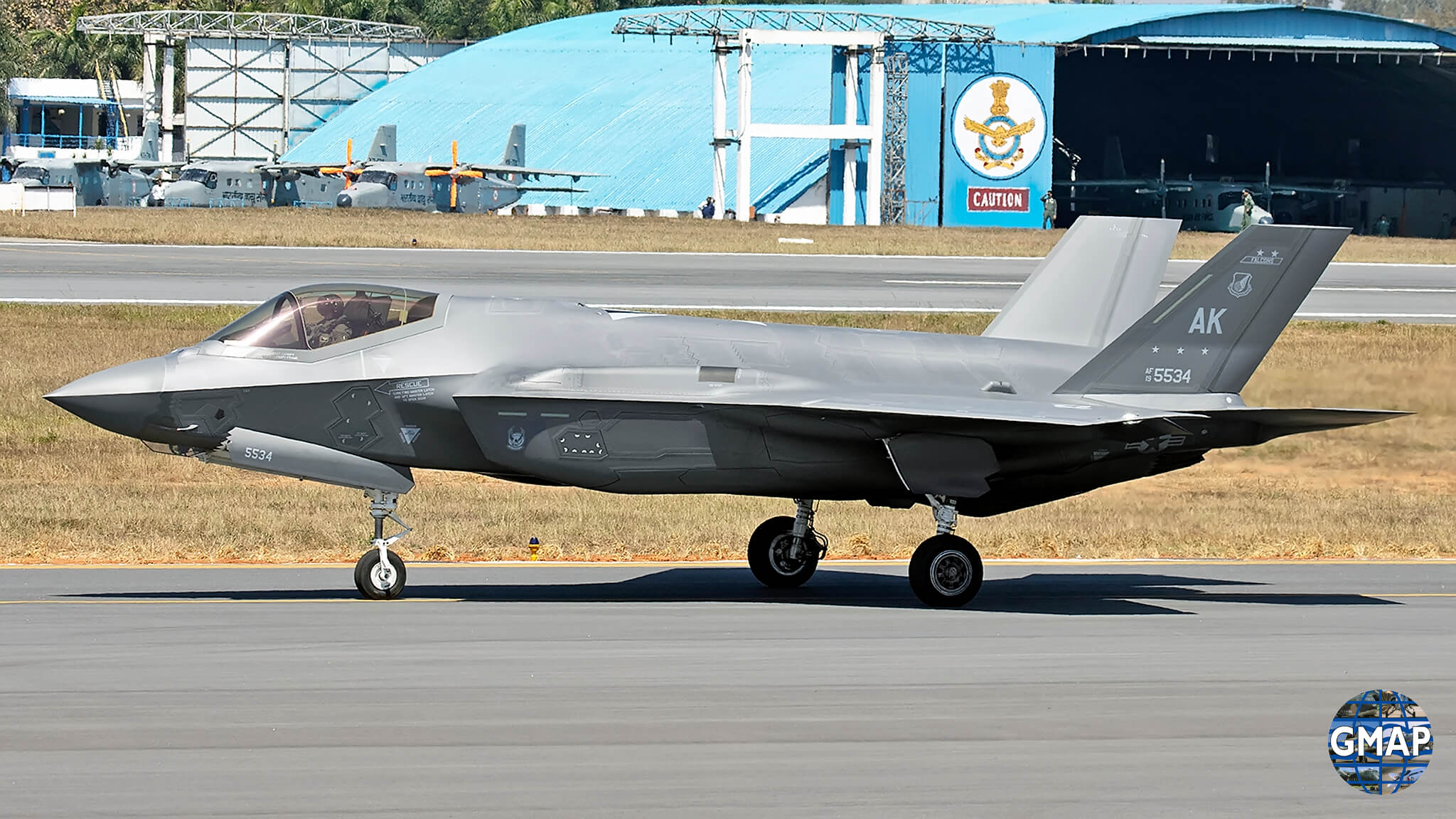
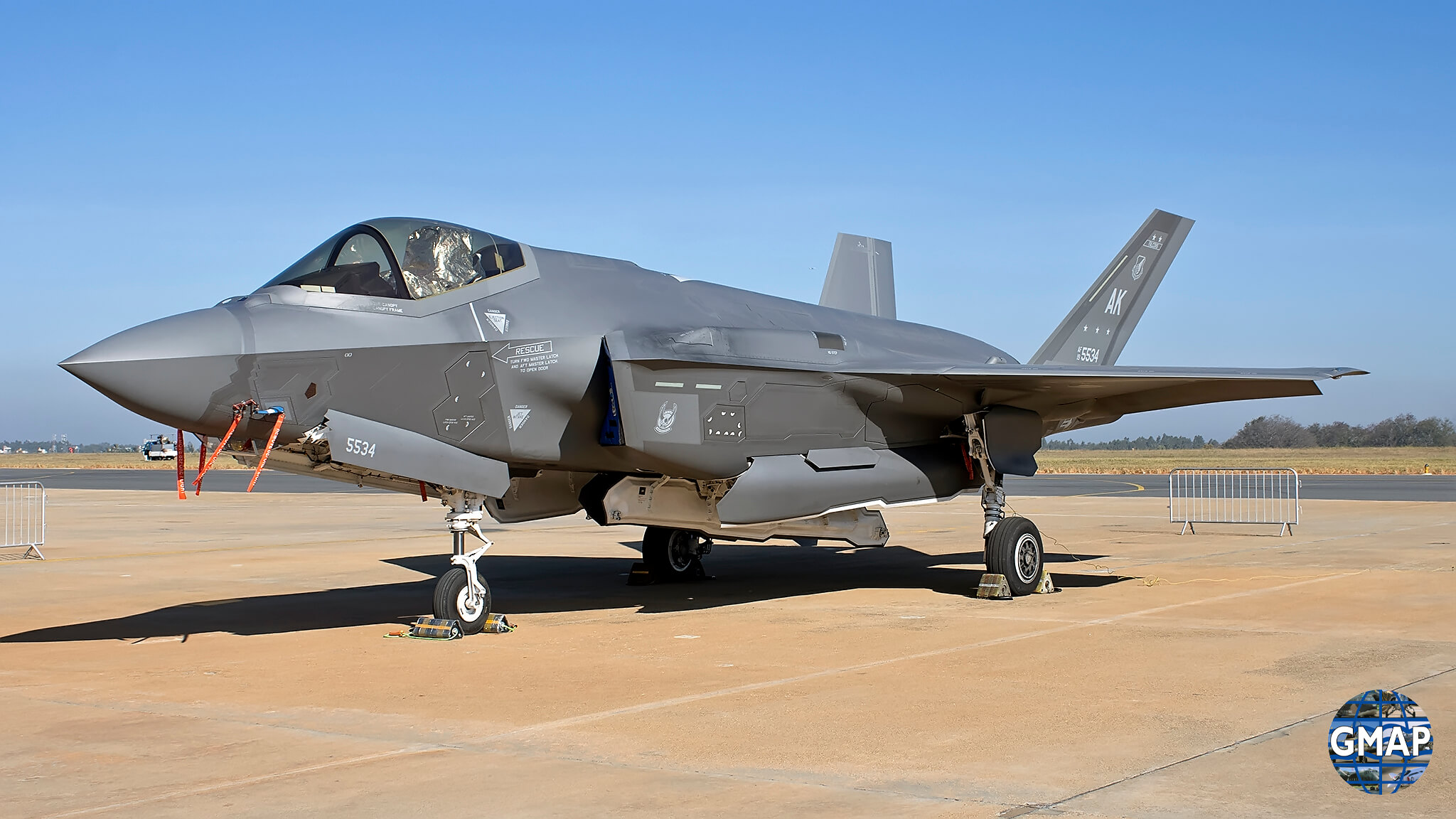
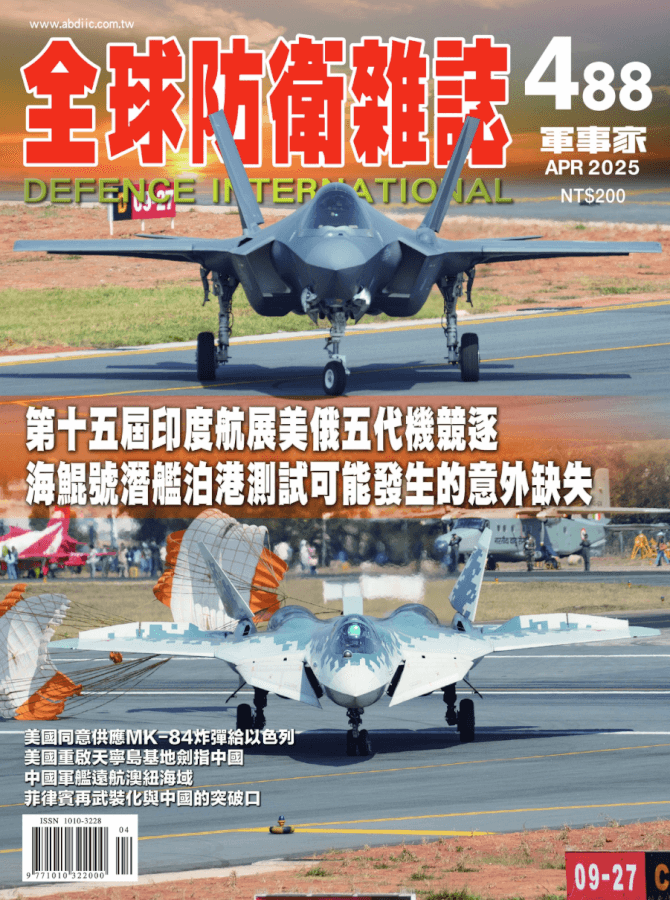
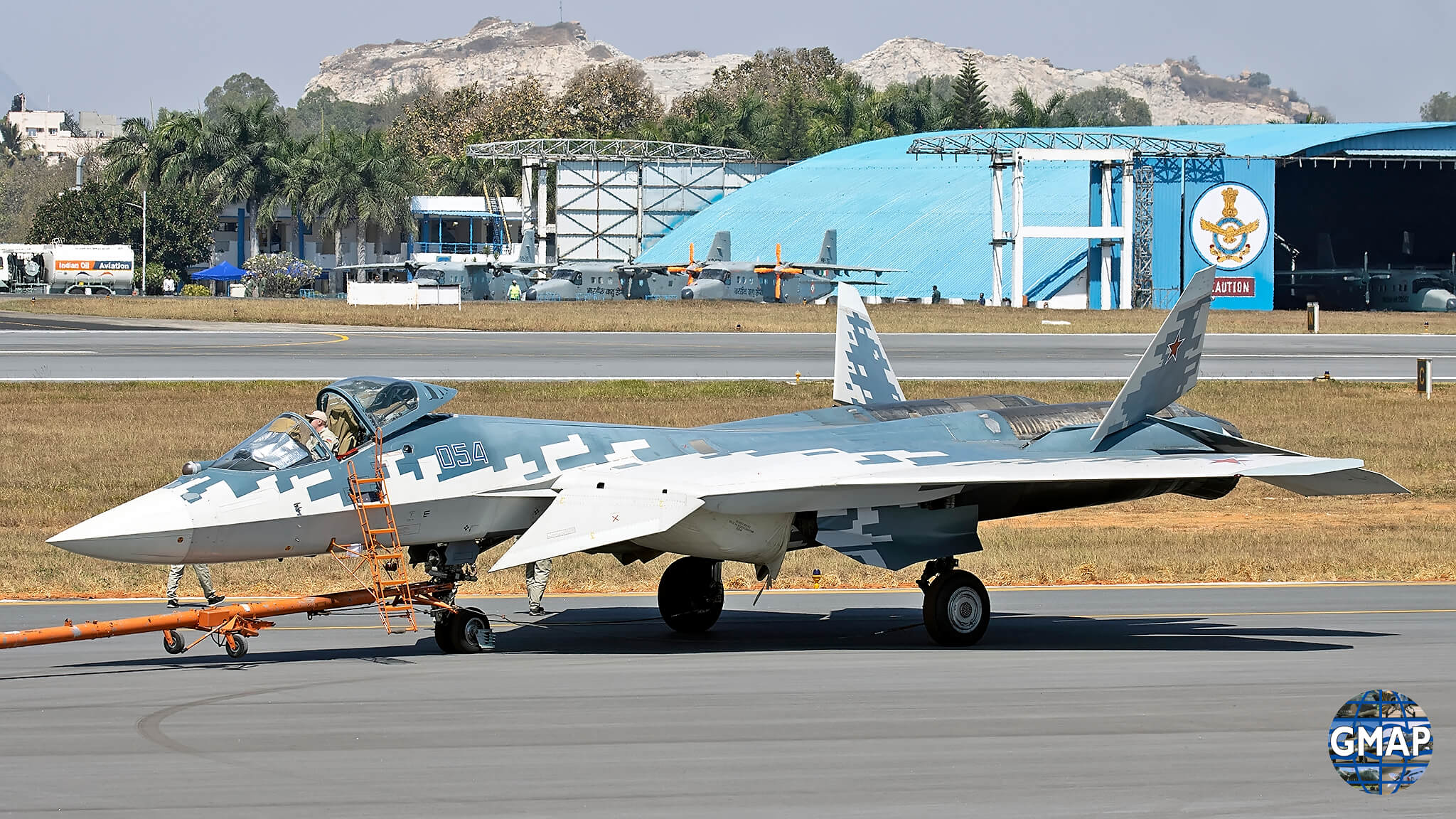
The exhibition attracted participation from more than 150 foreign companies, alongside numerous Indian firms and defense public sector undertakings. More than 500 delegates from 84 countries participated in the event. A significant highlight was the rare convergence of advanced fighter jets from rival nations. For the first time, Russia’s Su-57 Felon and the U.S. F-35 Lightning II were showcased together, symbolizing India’s strategic position in global defense collaborations.

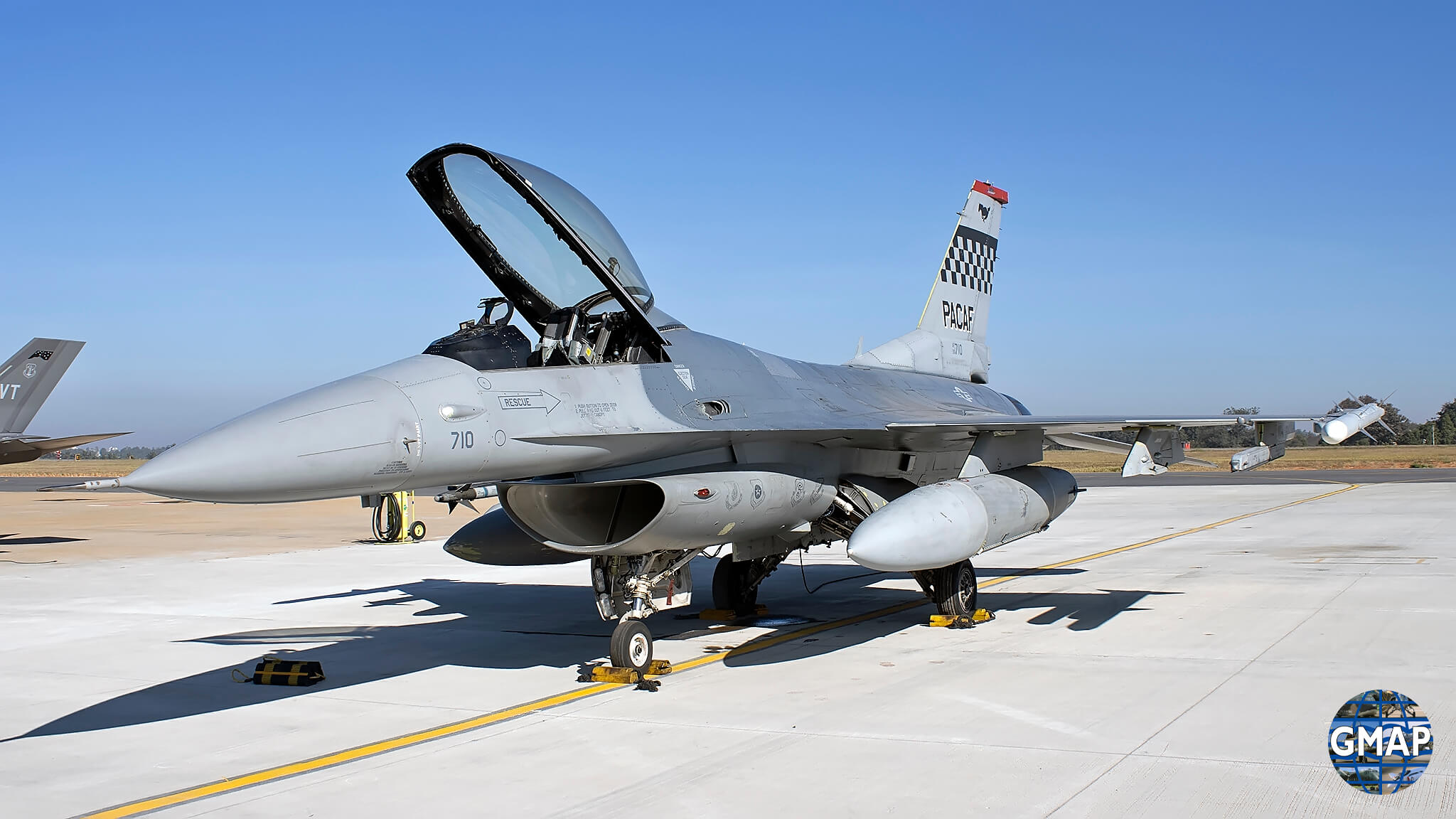
The U.S. Air Force’s participation was particularly noteworthy, featuring aircraft such as the C-17 Globemaster III, F-35A Lightning II, B-1B Lancer, and F-16 Fighting Falcon. This presence highlighted the strengthening defense ties between India and the United States.
PUBLICATION
Major Announcements and Deals

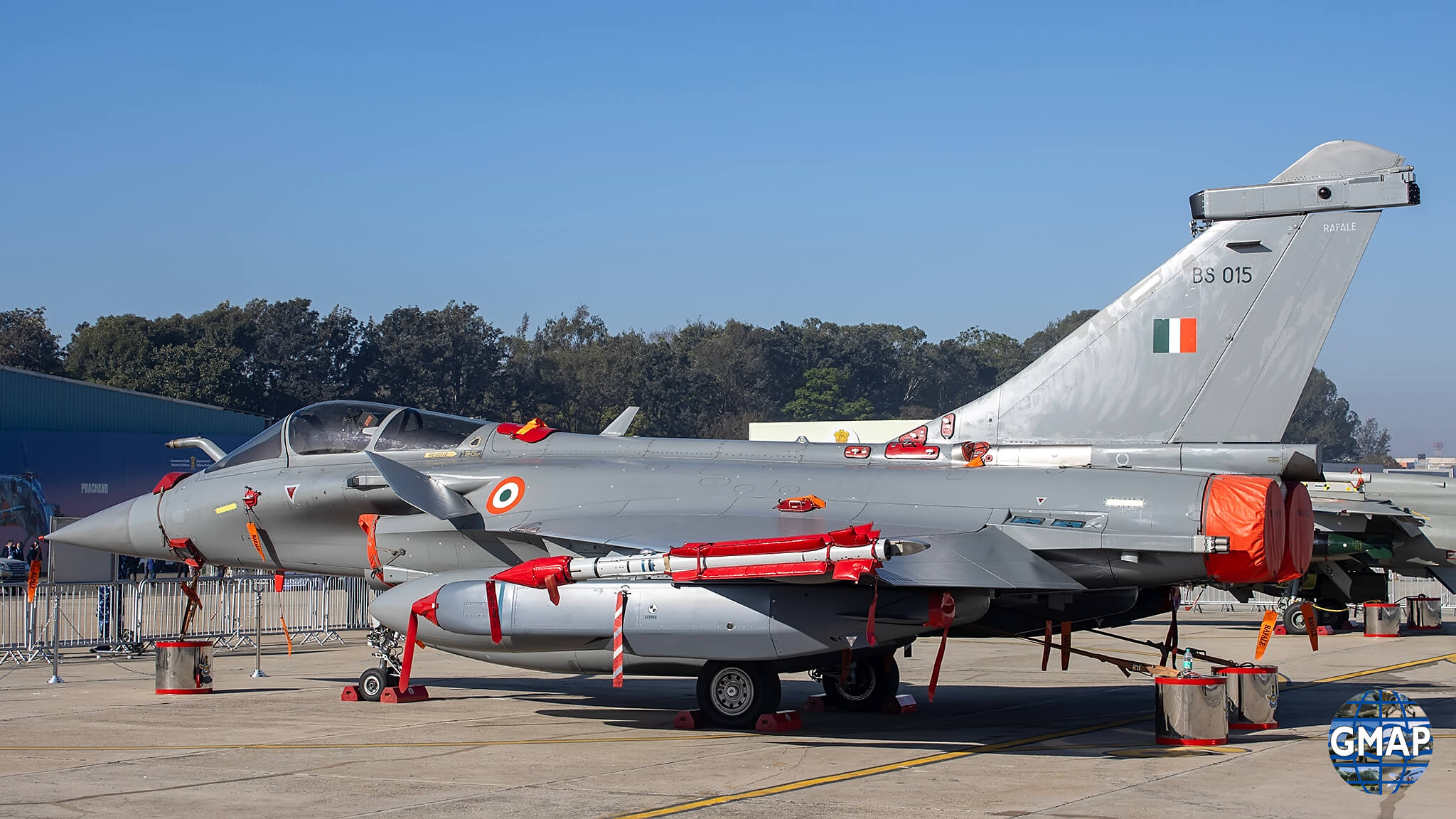
Aero India 2025 served as a platform for significant defense announcements and potential deals. India is expected to invite global bids this year for 114 multirole fighters, a move crucial for enhancing its combat aircraft fleet. The Indian Air Force’s squadron strength has reduced to 31 from the sanctioned 42, amidst rapid expansion by China and increased capabilities in Pakistan. The project has seen interest from top aerospace companies including Lockheed Martin, Boeing, Russia’s United Aircraft Corporation, France’s Dassault Aviation, Sweden’s Saab, and Germany’s Eurofighter. Companies are preparing detailed plans and local partnerships to ensure cost-effective offerings. Lockheed Martin’s F-21, a variant of the F-16, is a strong contender, alongside advanced Russian jets like the Sukhoi Su-57, as well as options from Saab and Dassault. US president Trump indicated potential future F-35 stealth fighter sales to India, though this process has not formally started. The MRFA project continues the unfulfilled acquisition of 126 jets, with emphasis now on local manufacturing and partnership.

In a significant development, Russia offered to produce its advanced fifth-generation stealth fighter jet, the Sukhoi Su-57, in India for the Indian Air Force. This proposal includes a full transfer of technology, ensuring production and maintenance autonomy from Western sanctions. The Indian Air Force is keen to bolster its fighter squadrons, which have reduced from their target strength amid China’s air force expansion. The Su-57, built to rival the US F-35, has faced delays and issues, but serial production began in July 2019.

Boeing signaled that it requires more orders from India before considering establishing a final civil aircraft assembly line in the country. The business case for a final assembly line necessitates a larger market than India’s current demand. Boeing’s commitment to India’s aerospace sector remains strong, and the company continues to focus on building stepwise capabilities. While Boeing has previously offered to assemble defense aircraft in India, the volume needed for commercial aircraft assembly is significantly higher. Indian airlines, with a substantial number of aircraft on order, are set to take delivery of 130 jets in 2025. However, Boeing emphasized that final assembly accounts for less than 10% of the airplane’s value proposition. The Indian government needs to provide incentives to suppliers to reduce the cost of capital and expand the aerospace supply chain. Boeing sources $1.25 billion annually from India and employs about 7,000 people, producing components through a joint venture with Tata Group.

Indigenous Developments

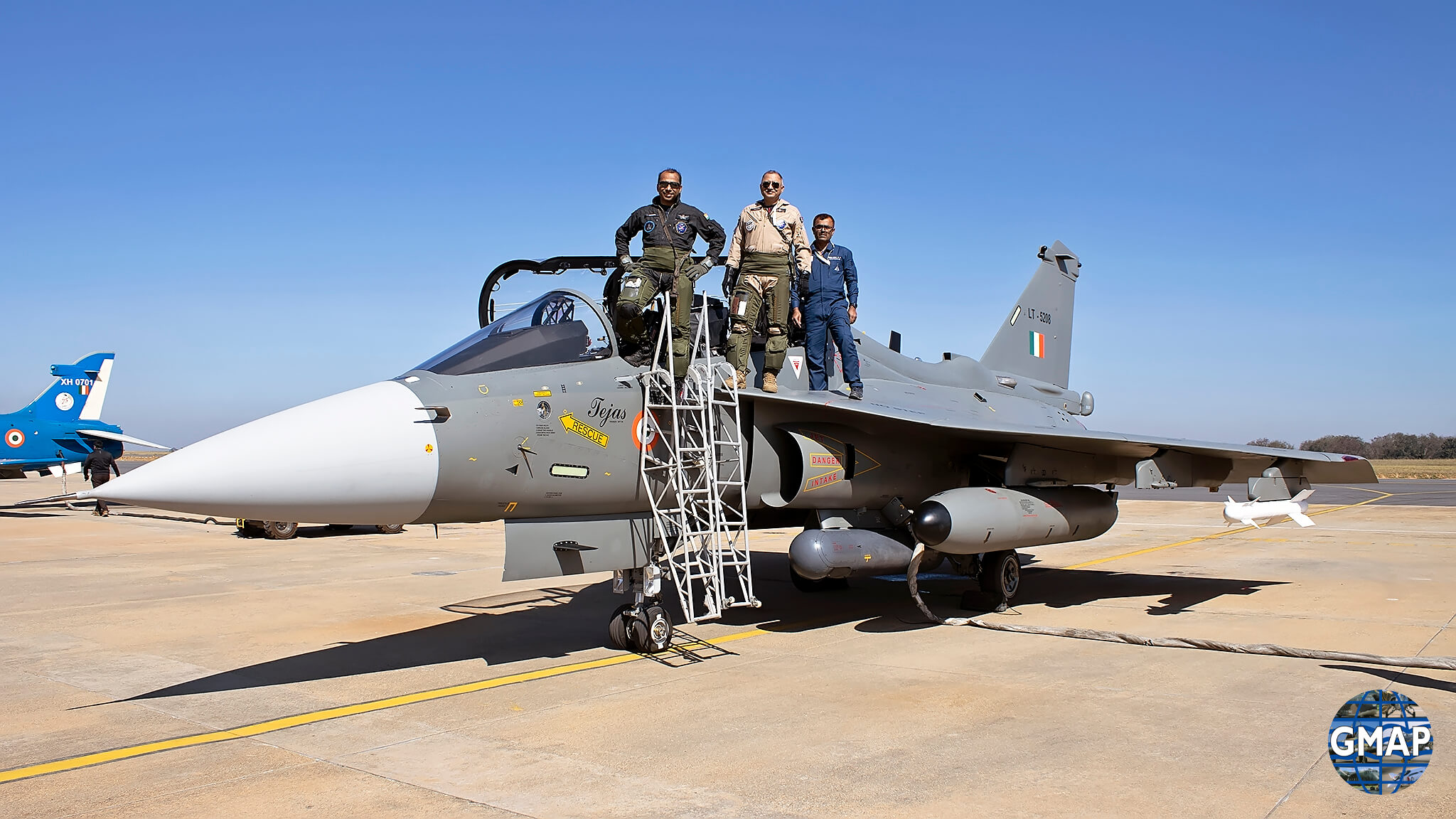
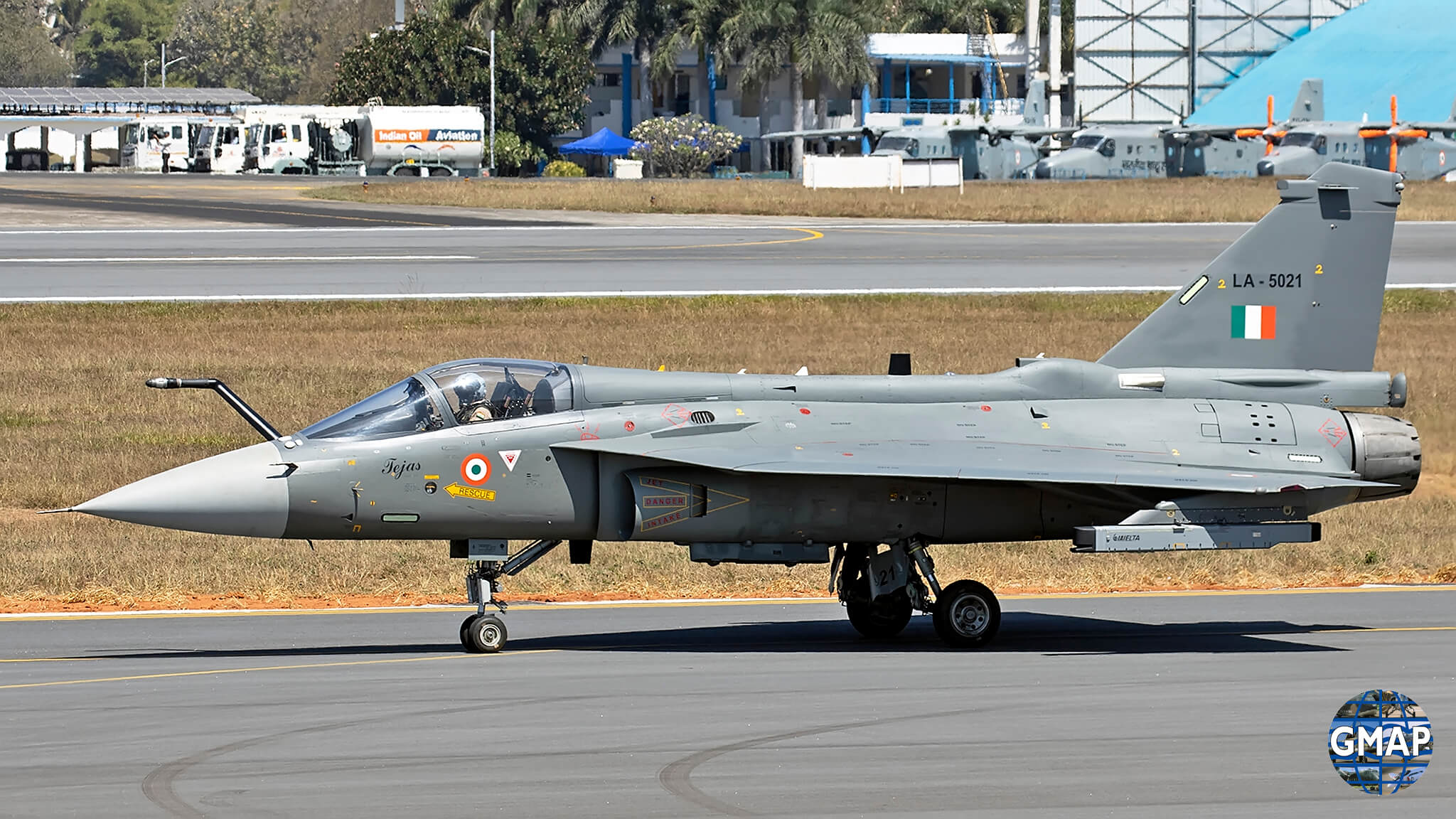
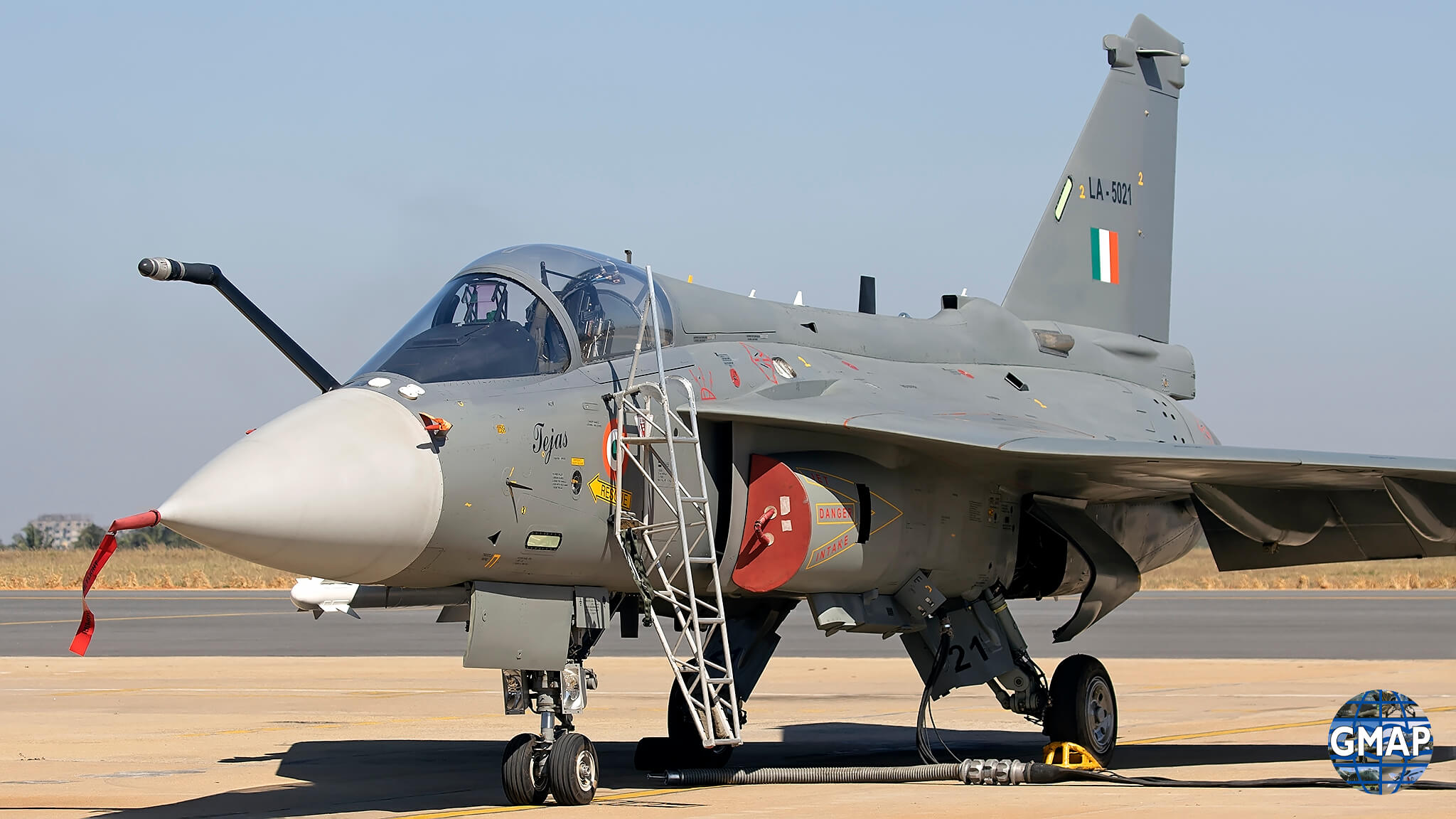
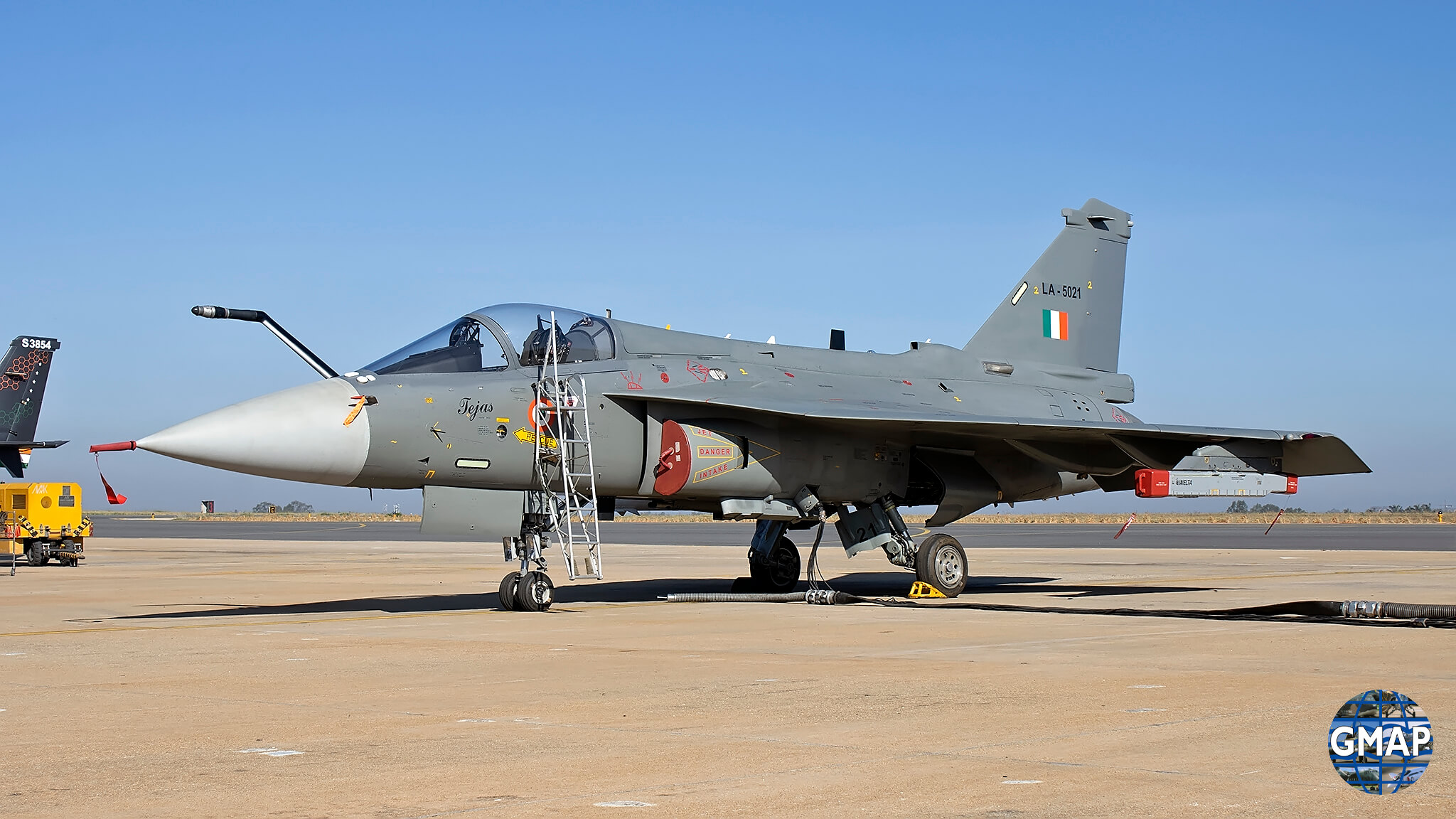
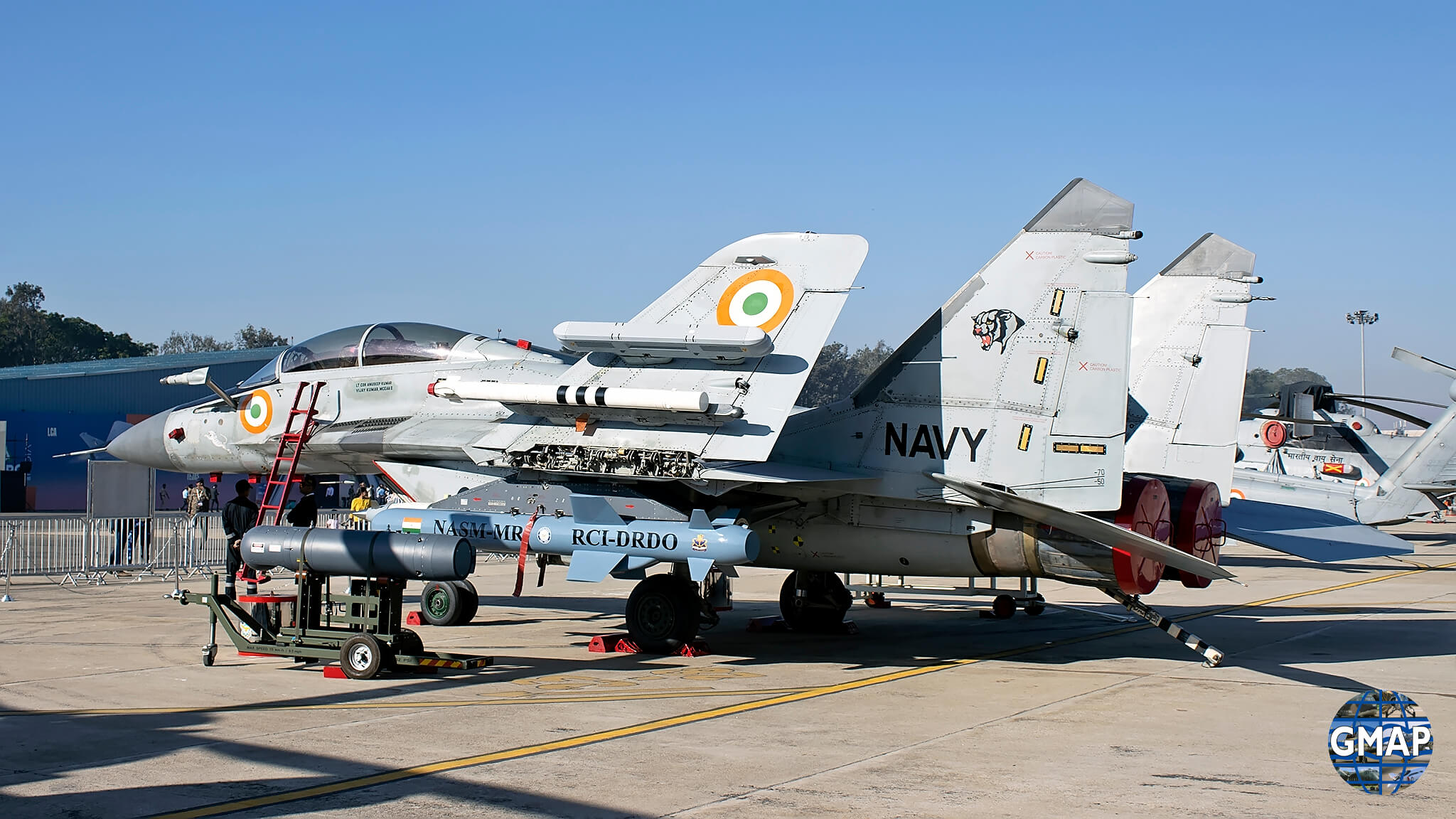
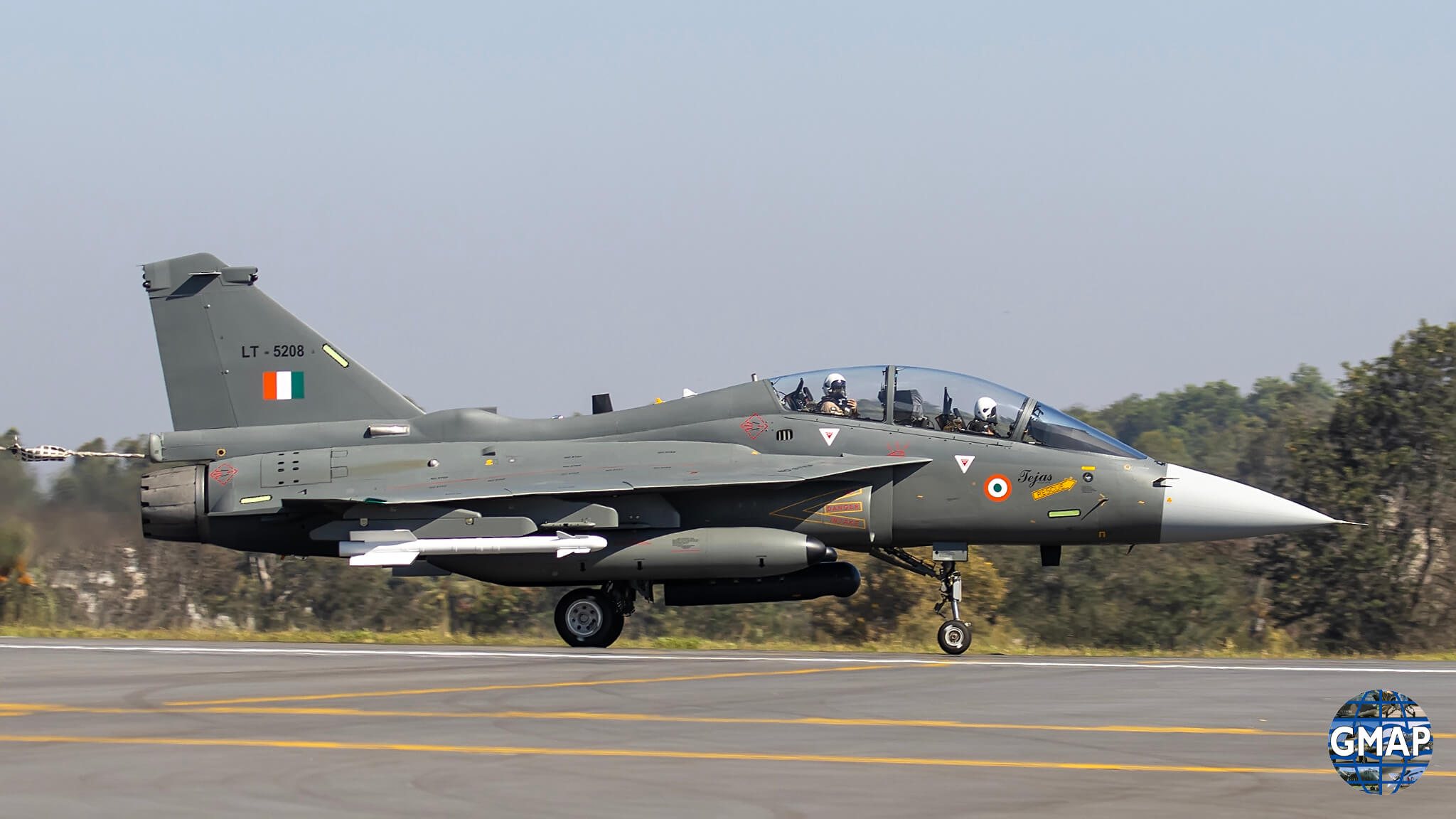
India’s state jet maker Hindustan Aeronautics Ltd (HAL) pledged to expedite the delivery of fighter jets following criticisms from the Indian Air Force chief. The Air Force’s fleet, primarily composed of old Soviet aircraft, has only 31 operational fighter squadrons against a target of 42, posing a concern amid tense regional relations. HAL’s Chairman D.K. Sunil assured that production would commence once engines from General Electric are received. In February 2021, the Air Force ordered Tejas Mk-1A figher jets, with an additional 97 planned, but deliveries have faced delays due to supply chain issues with the engines. Recent frustrations peaked with Air Chief Marshal Amar Preet Singh publicly criticizing HAL at the Aero India air show, questioned the ability of HAL to meet the air force’s critical requirements. Despite these setbacks, India’s defense production appears to be stabilizing, with expectations to deliver 16-24 aircraft in the upcoming fiscal year.

A significant highlight was the unveiling of a full-scale engineering model of India’s Advanced Medium Combat Aircraft (AMCA), marking its public debut. The AMCA program aims to develop a fifth-generation indigenous fighter jet, with plans to roll out prototypes by late 2026 or early 2027, followed by the first flight in 2028. This development signifies India’s strides toward self-reliance in defense technology.

Conclusion

Aero India 2025 not only demonstrated India’s aerial prowess through thrilling aerial displays but also emphasized India’s growing capabilities in defense manufacturing and it’s strategic vision to become a global leader in aerospace and defense.


© GMAP.NL All rights reserved. All content on this site is the property of Global Military Aviation Photography (GMAP.NL) and is protected by U.S., Dutch and other foreign copyright and trademark laws.