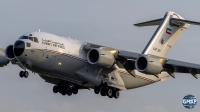
HEAVY BOMBERS OPERATING FROM RAF FAIRFORD
By Dino van Doorn | GMAP.NL Team | April 2026

A Strategic Airbase at the Heart of Operations

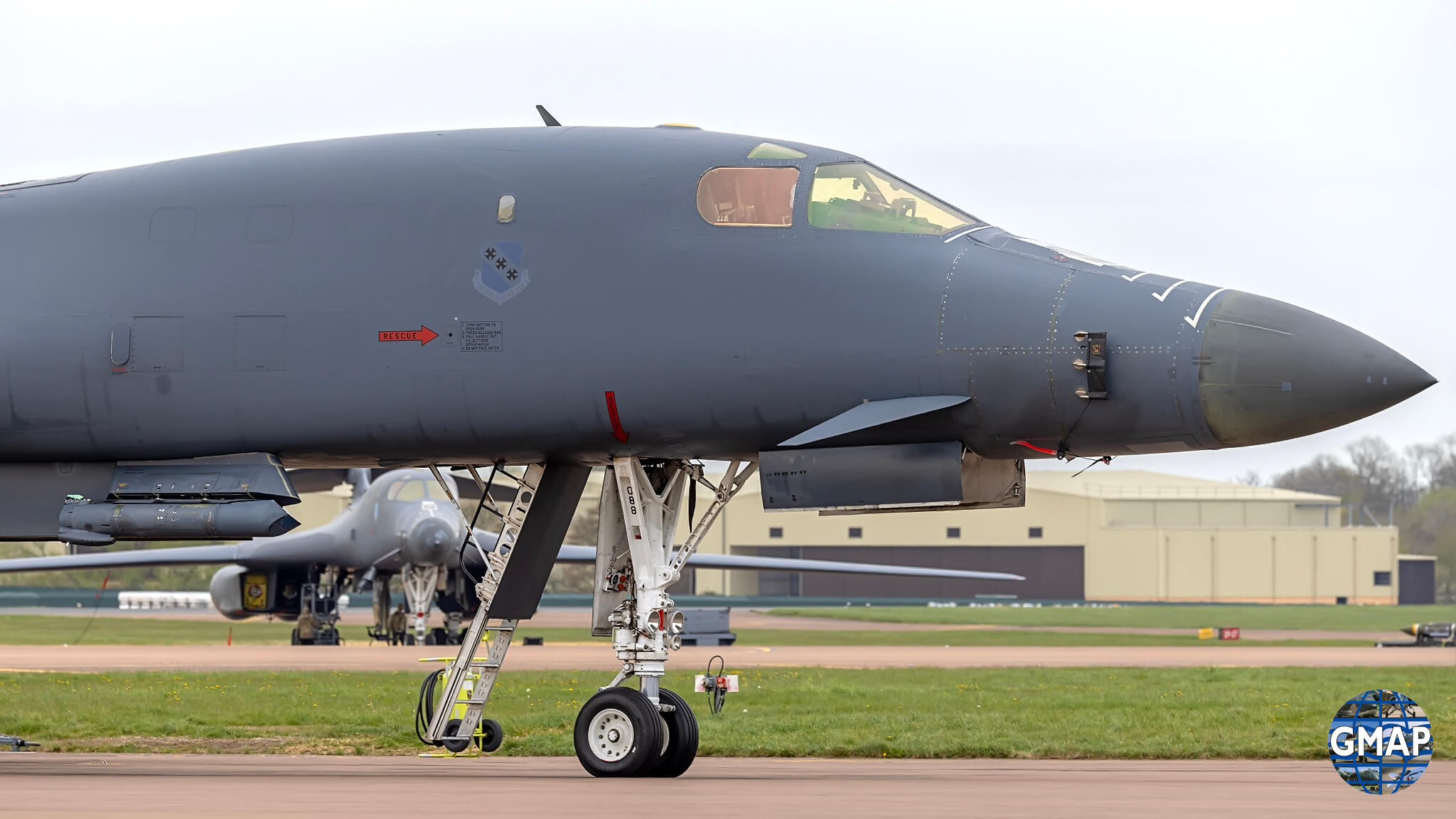
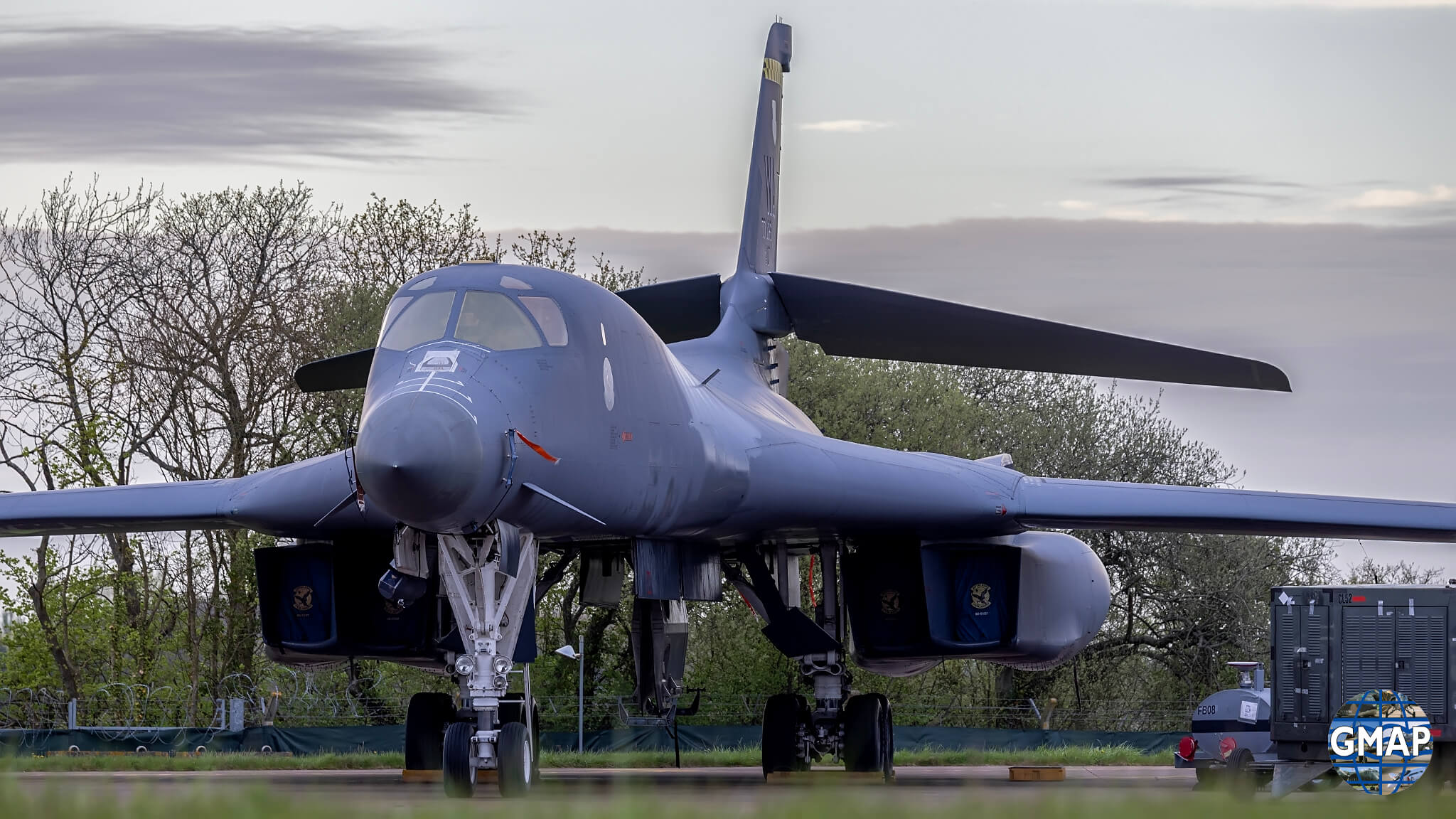
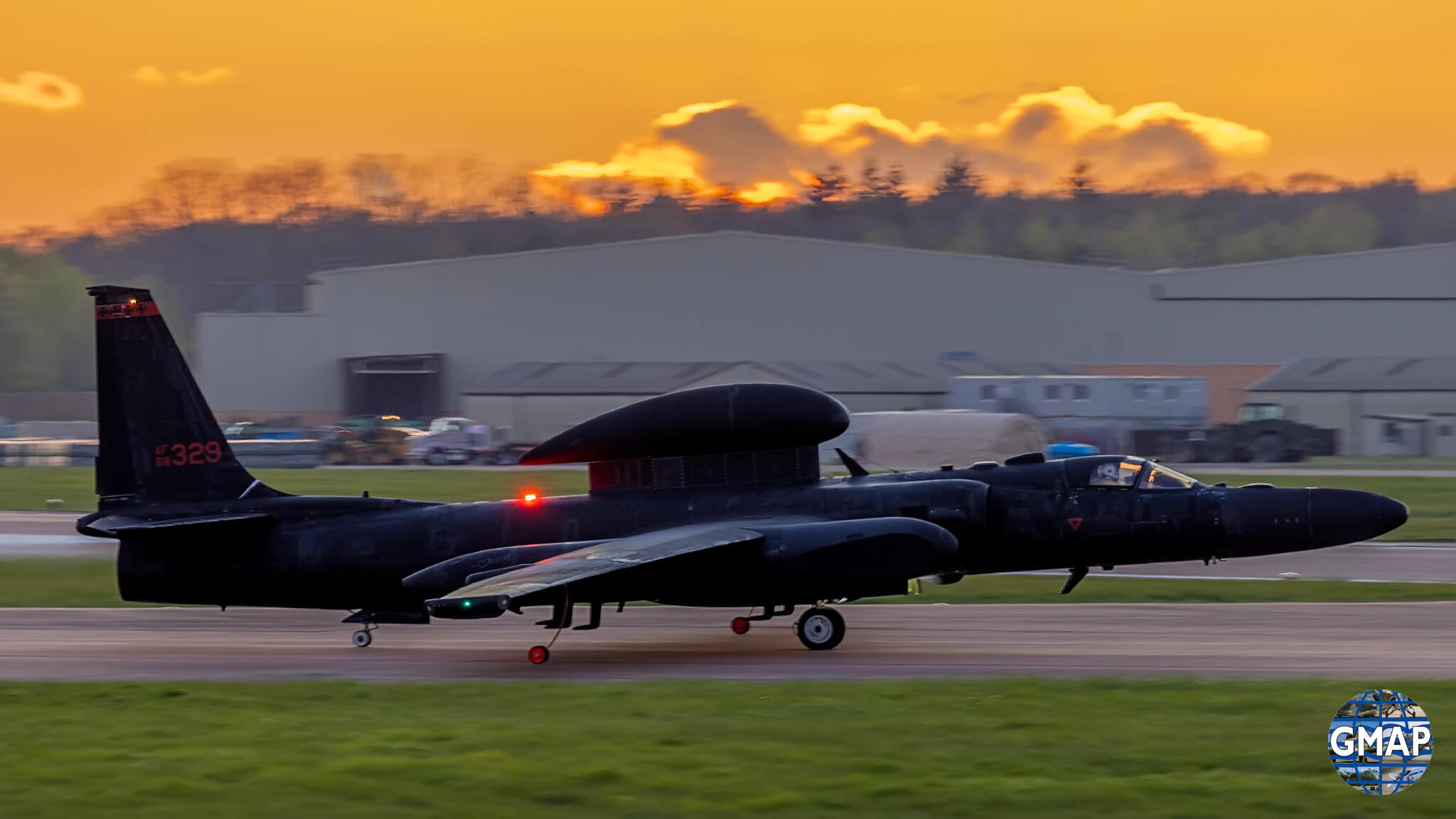
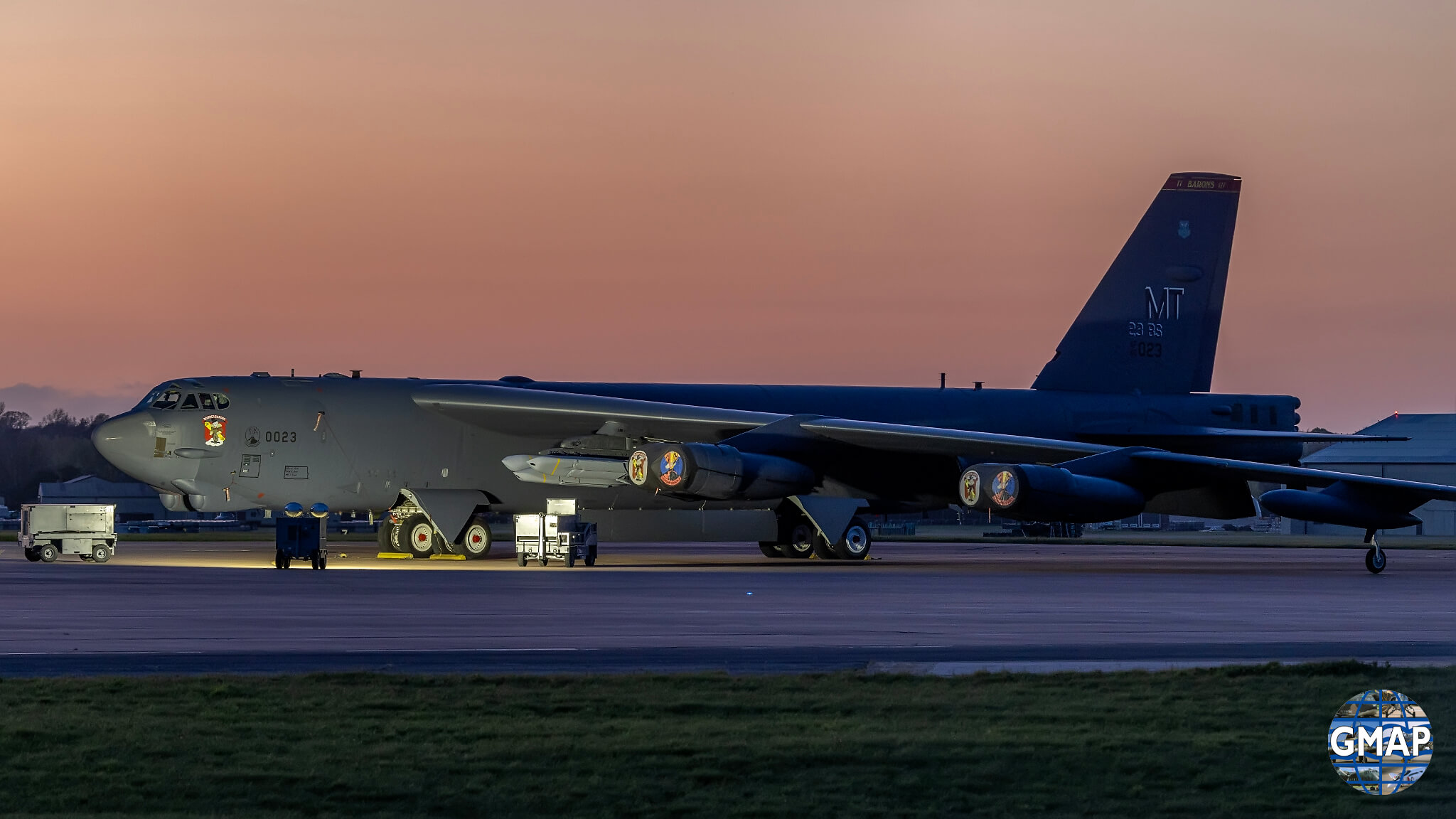
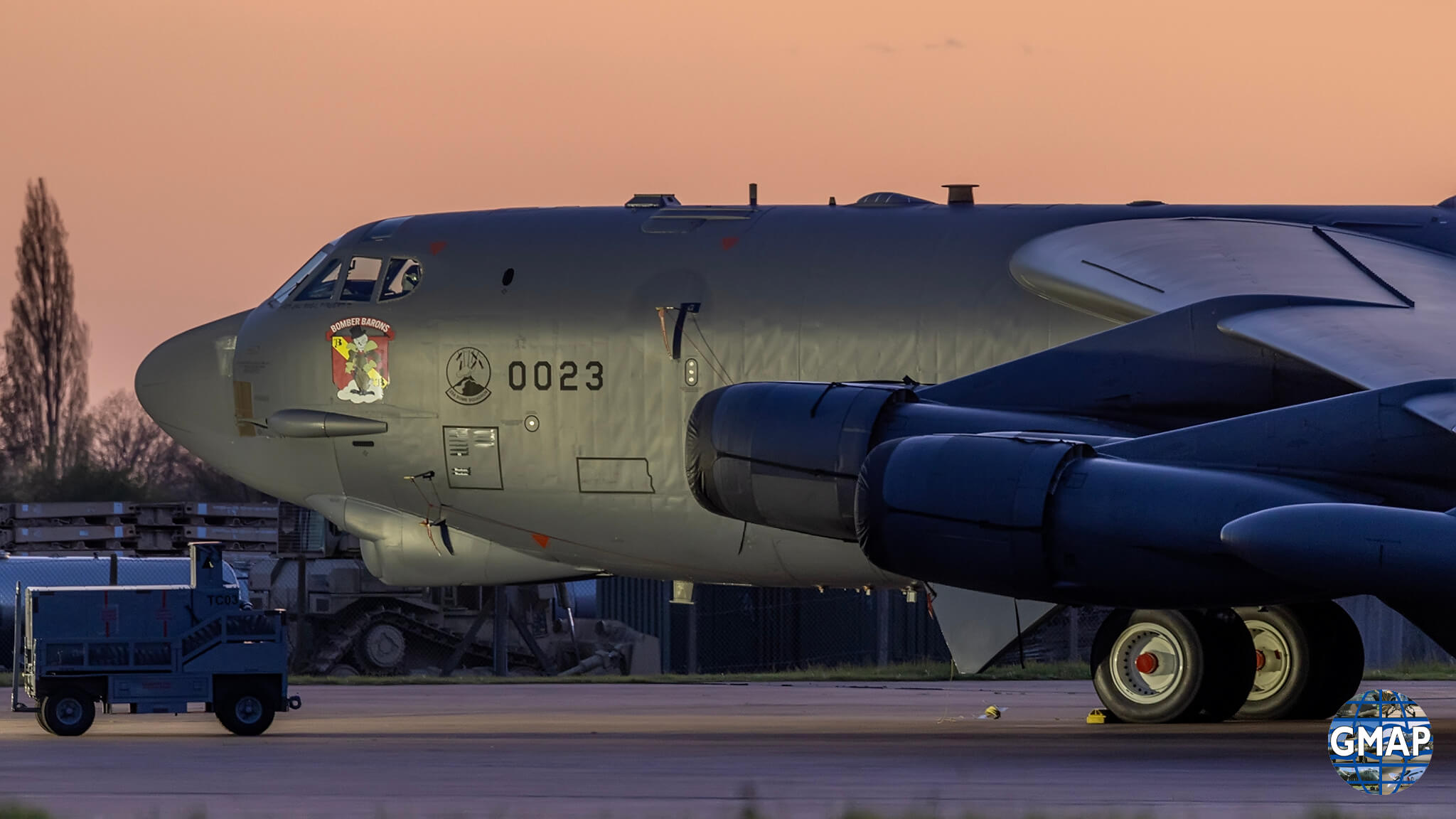
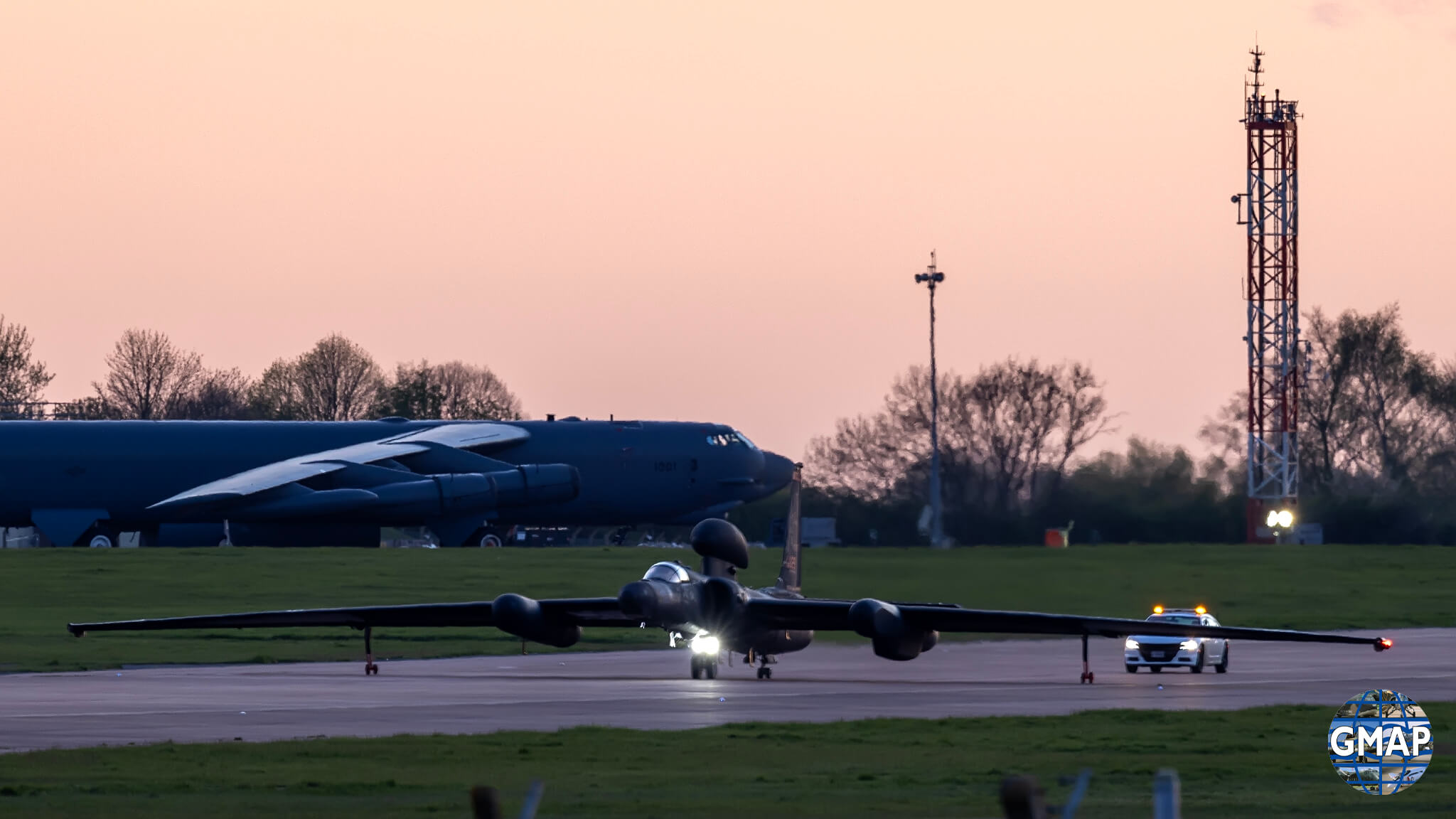
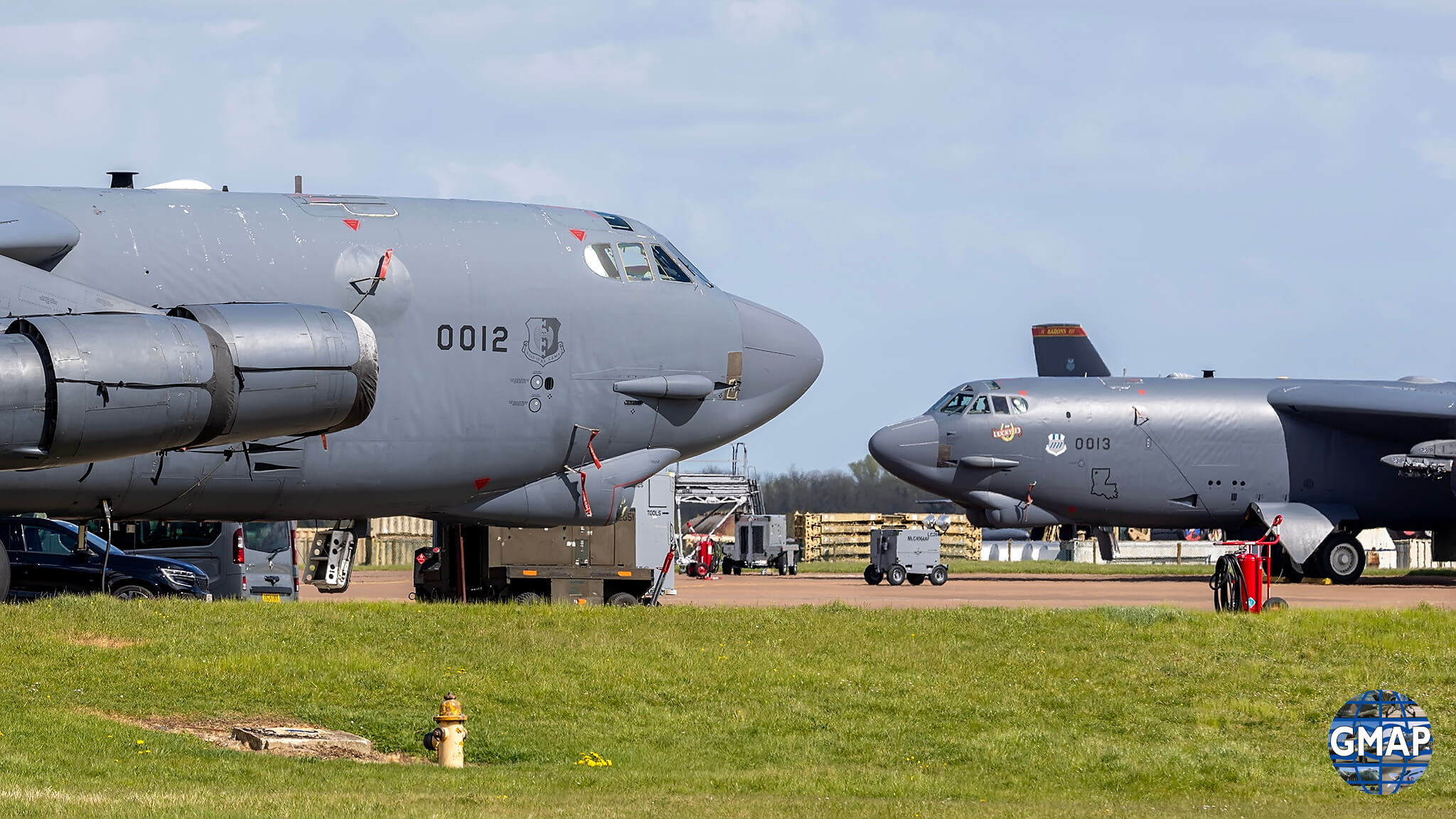
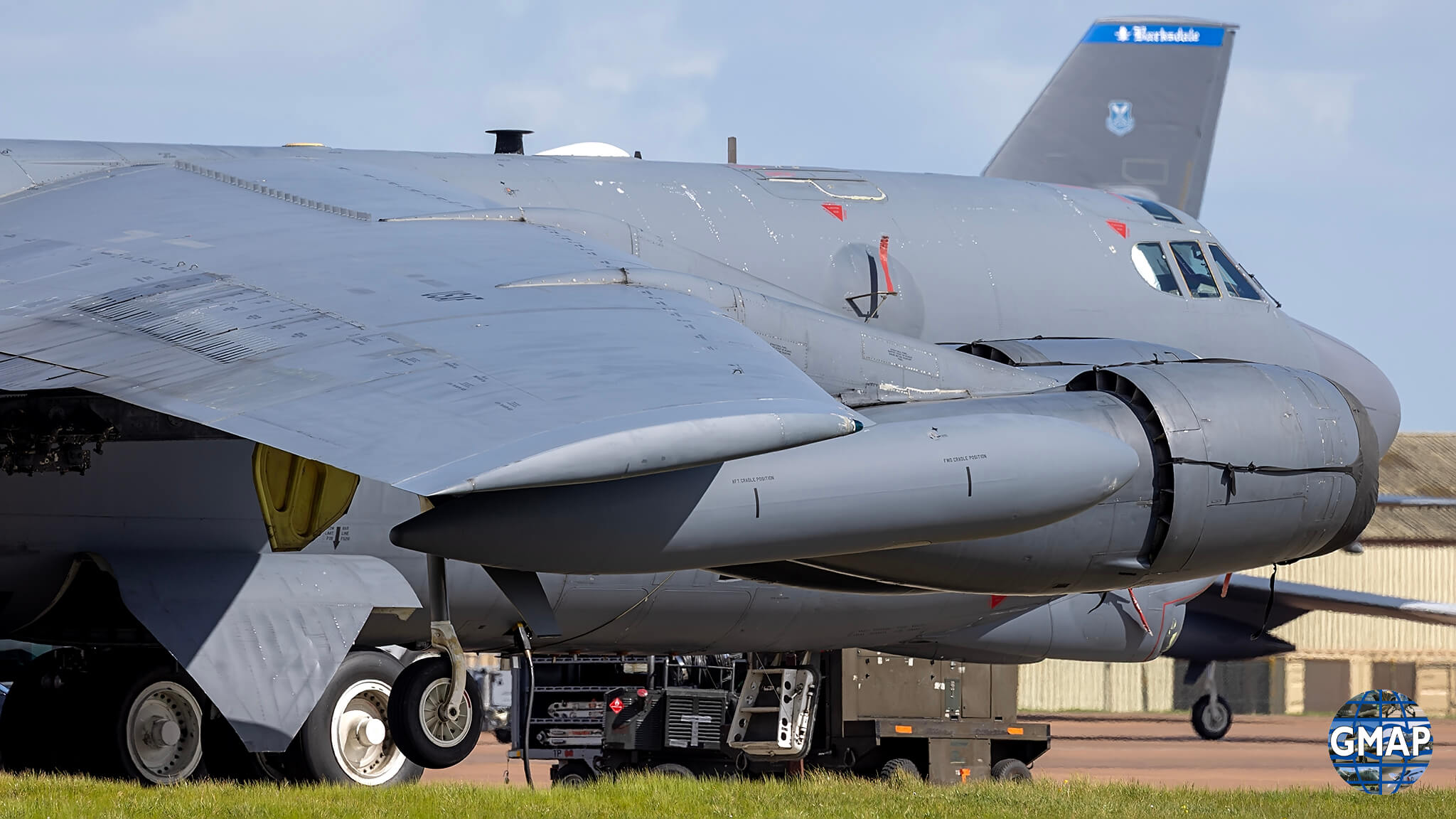
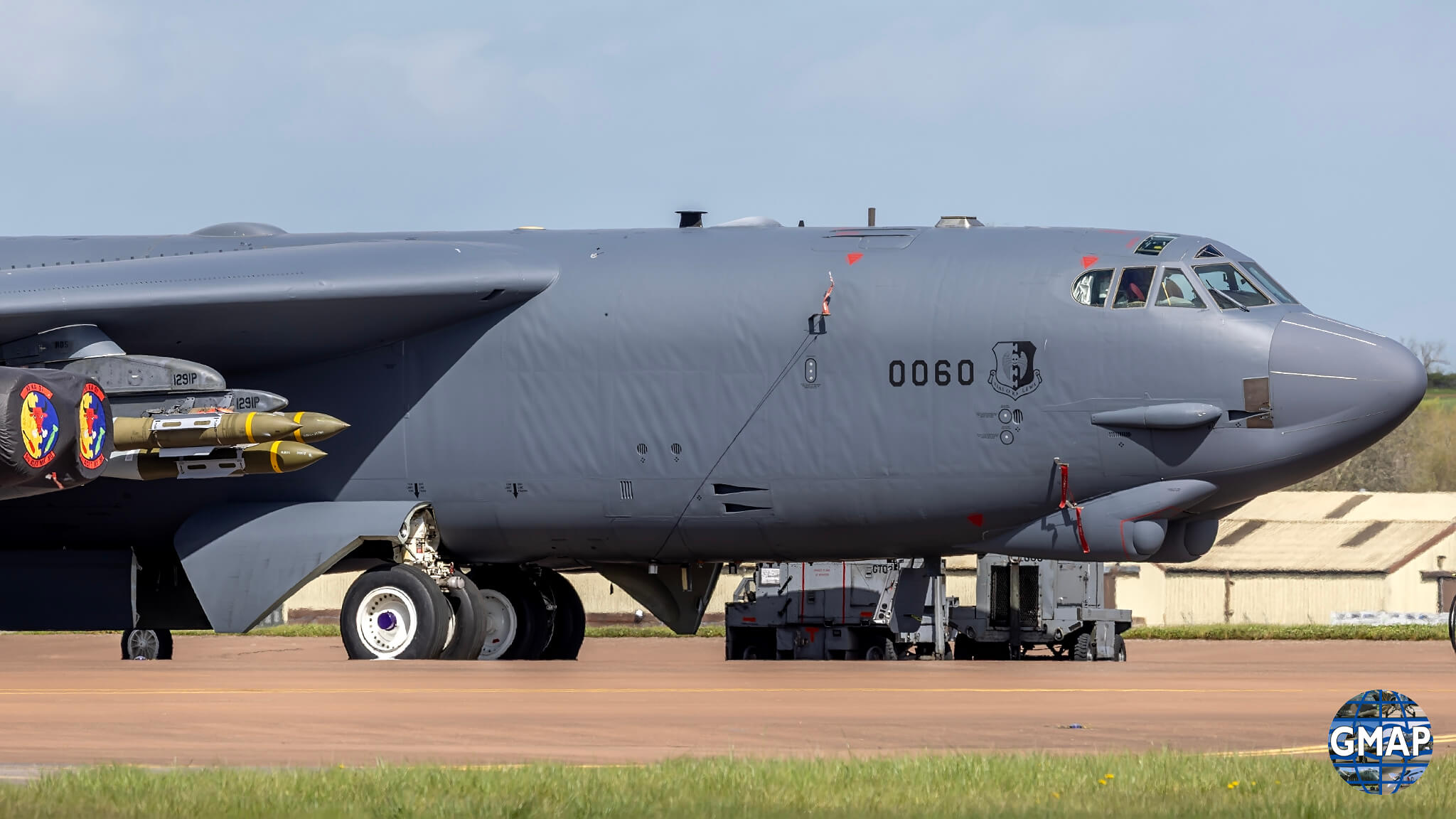
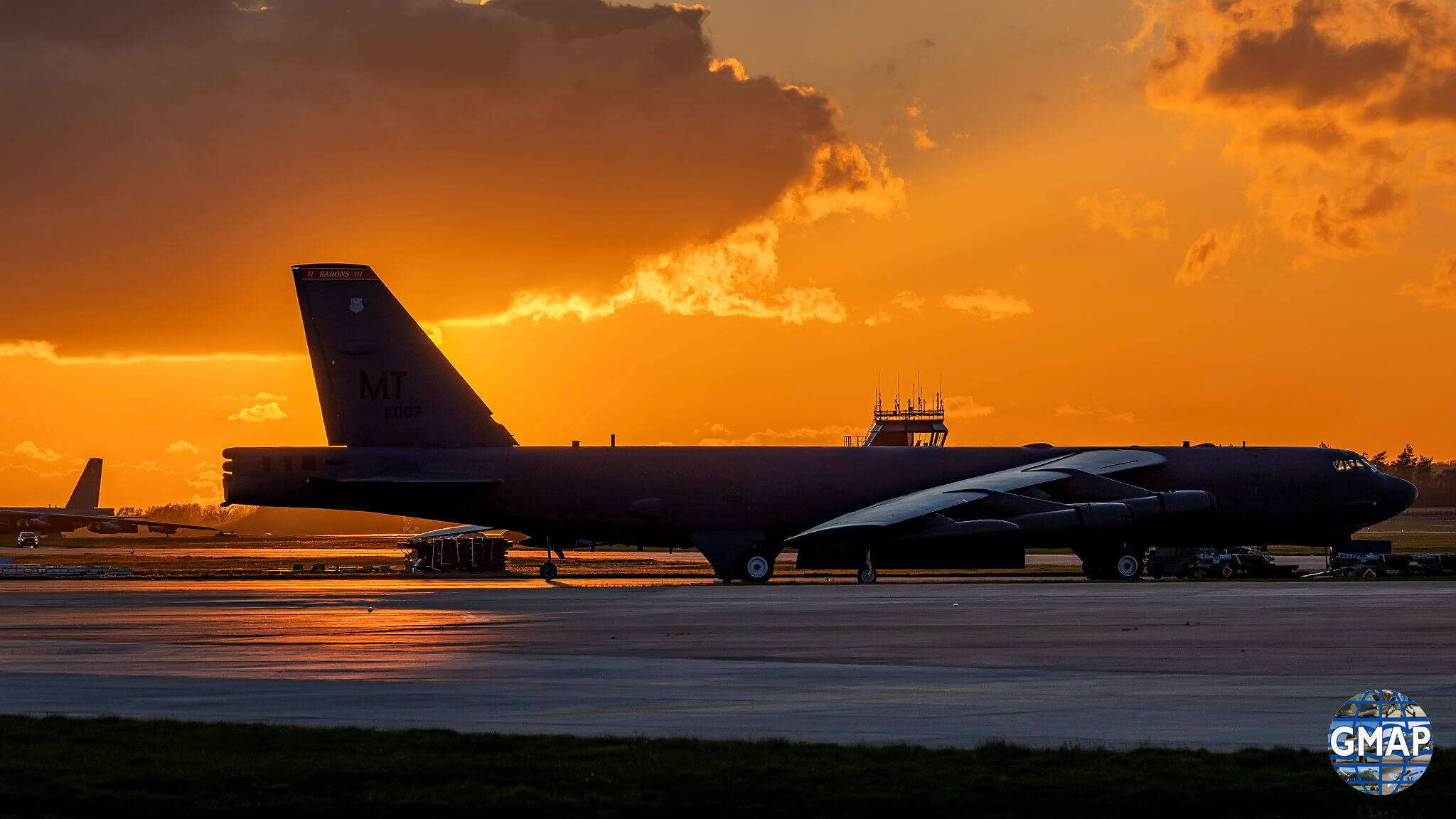
RAF Fairford has once again become one of the most critical bomber hubs in Europe, serving as the forward operating base for U.S. strategic airpower during Operation Epic Fury. Located in the English countryside, the airfield is uniquely positioned: it is the only dedicated heavy bomber forward operating location in Europe, capable of supporting all three U.S. strategic bomber types—B-1, B-2, and B-52.

This capability, combined with its long runway and extensive infrastructure, allows rapid deployment and sustained combat operations far beyond Europe, making it a cornerstone of transatlantic military cooperation.

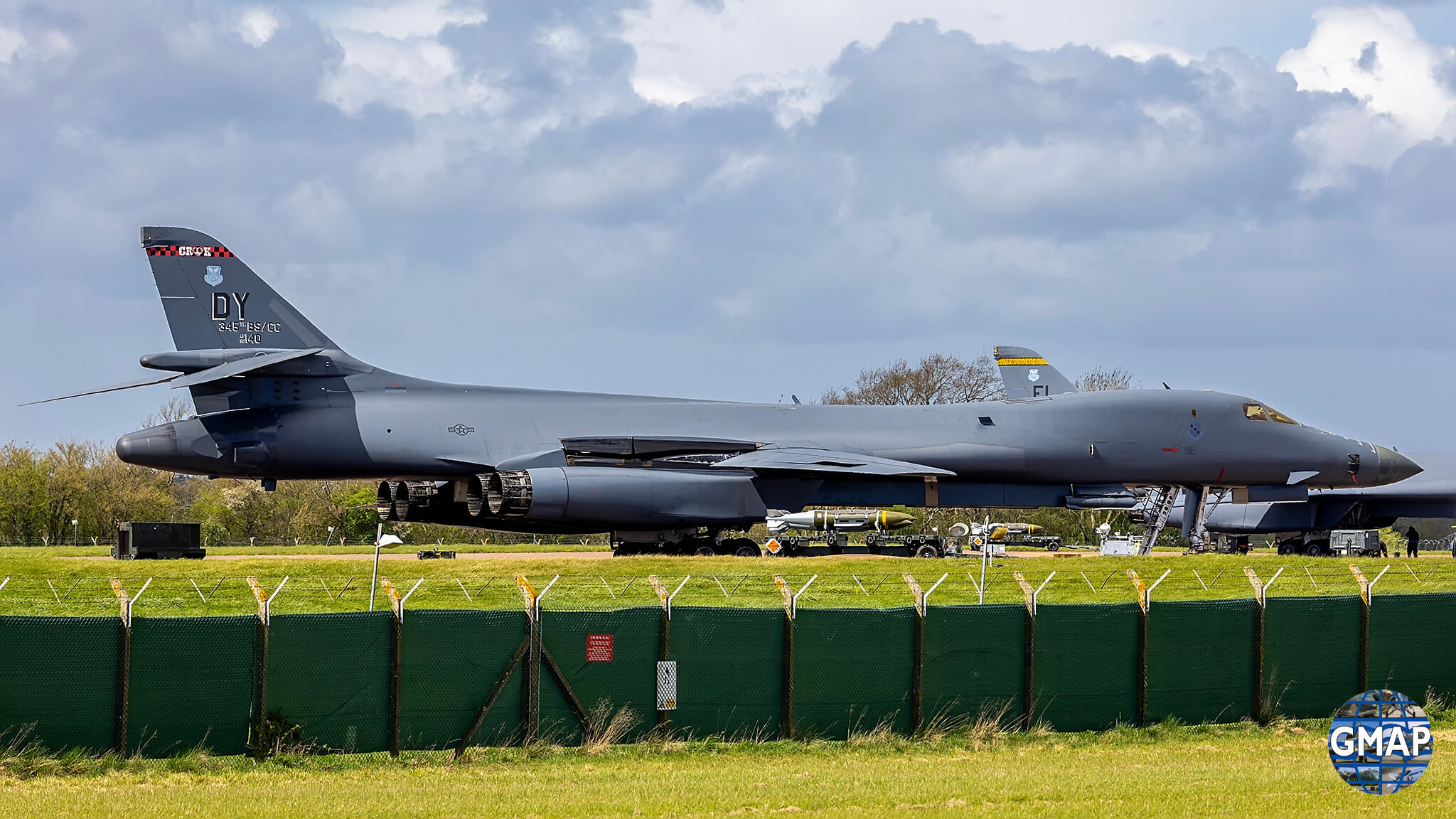
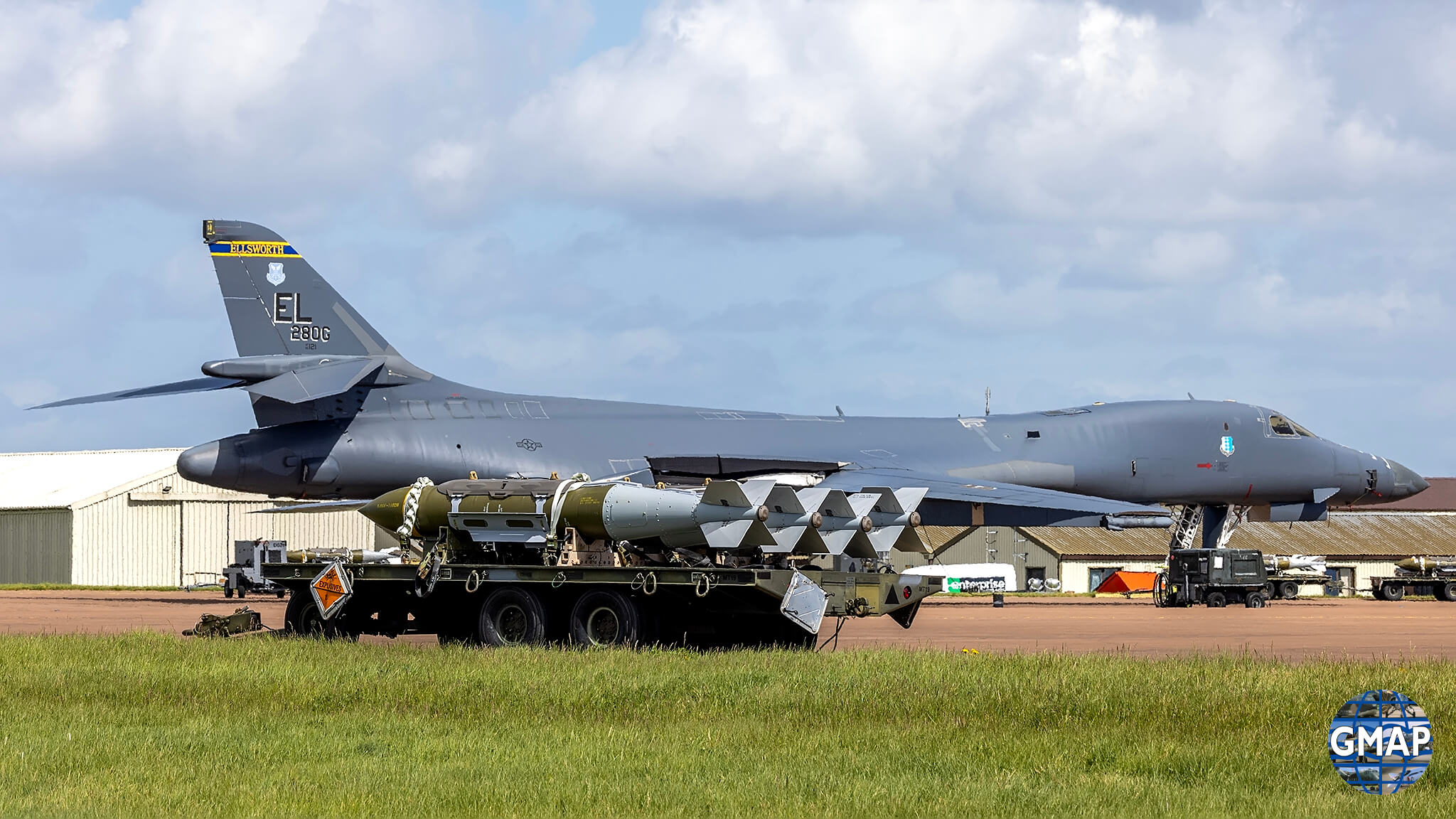
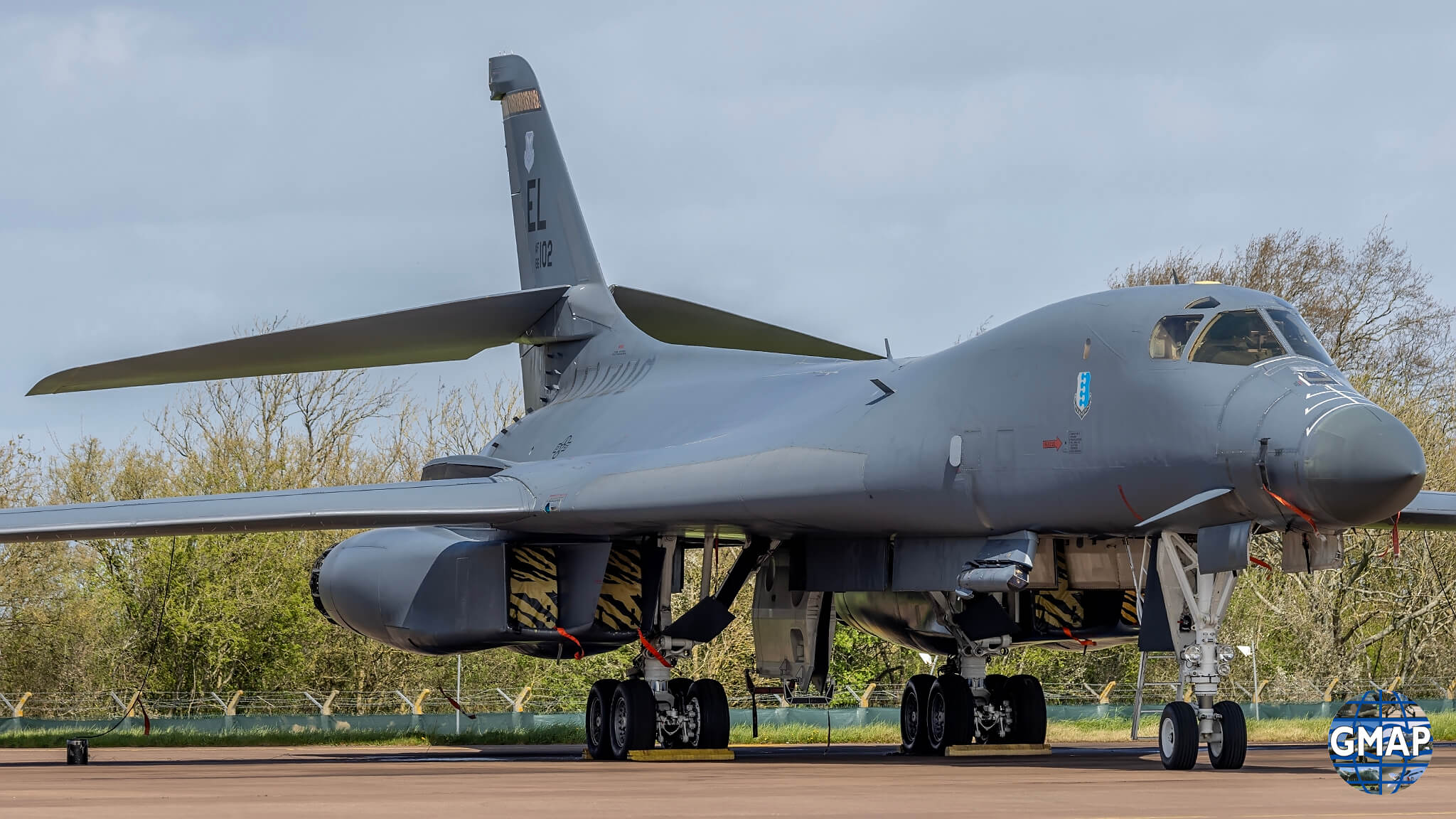
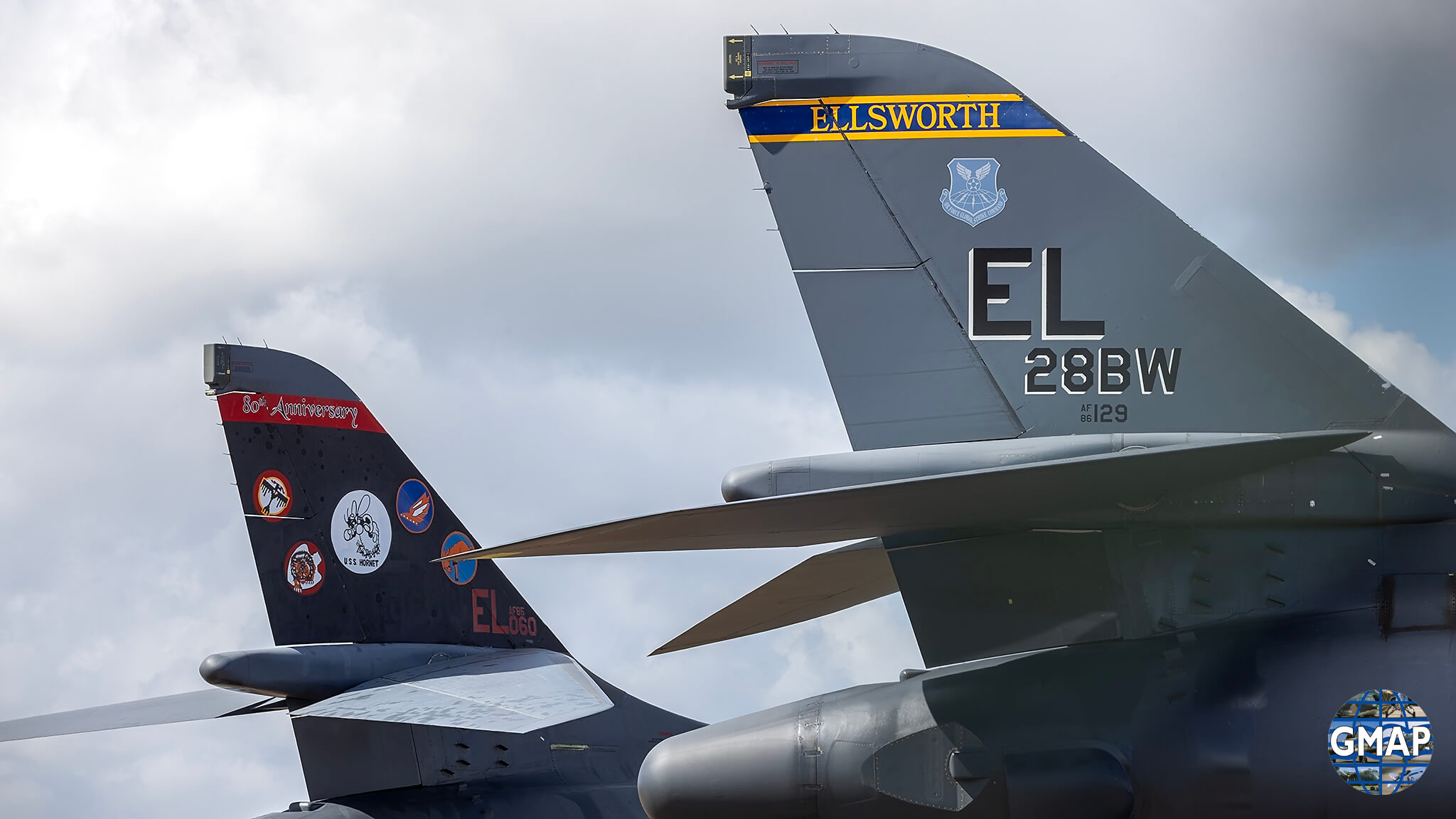
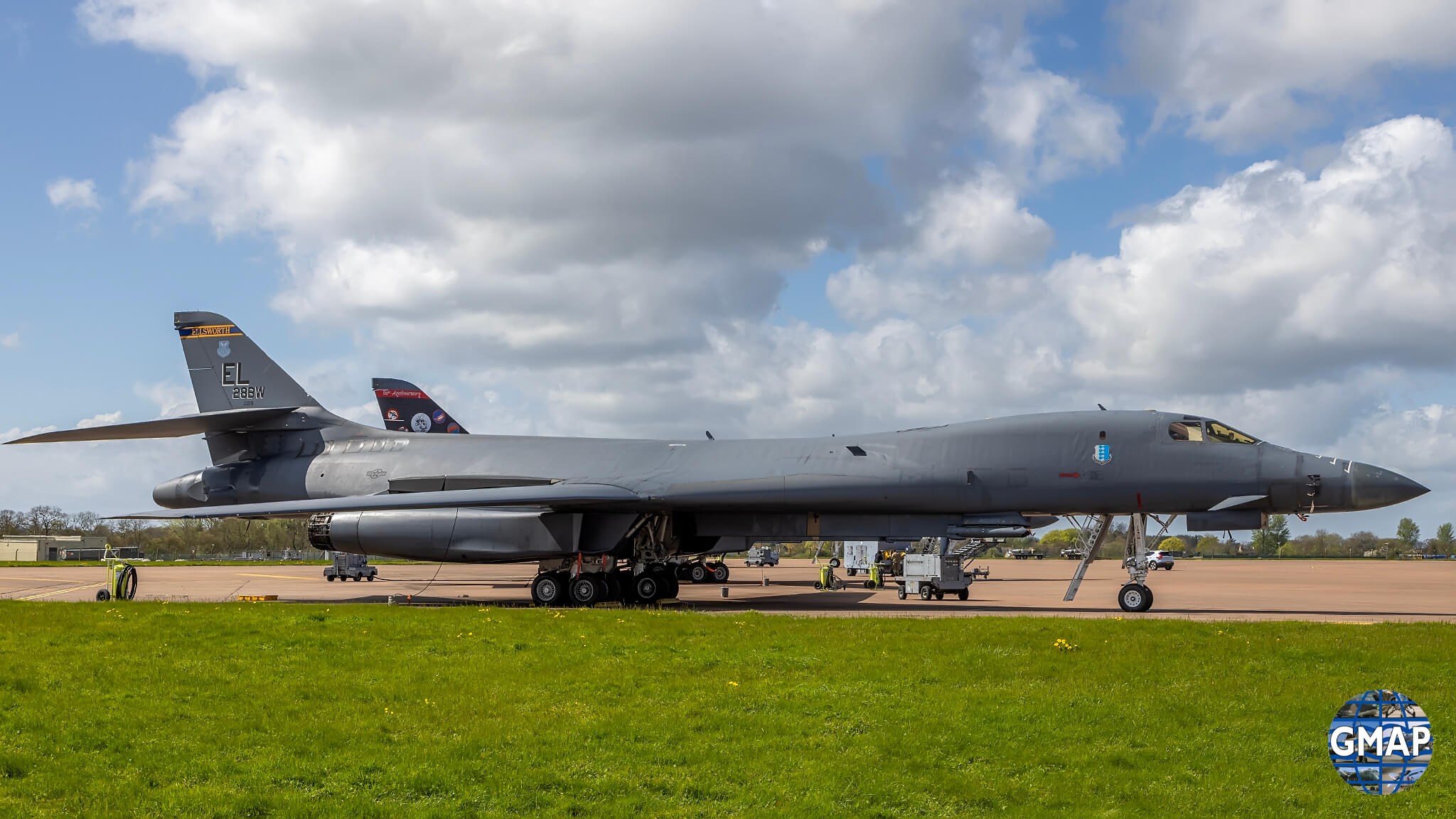
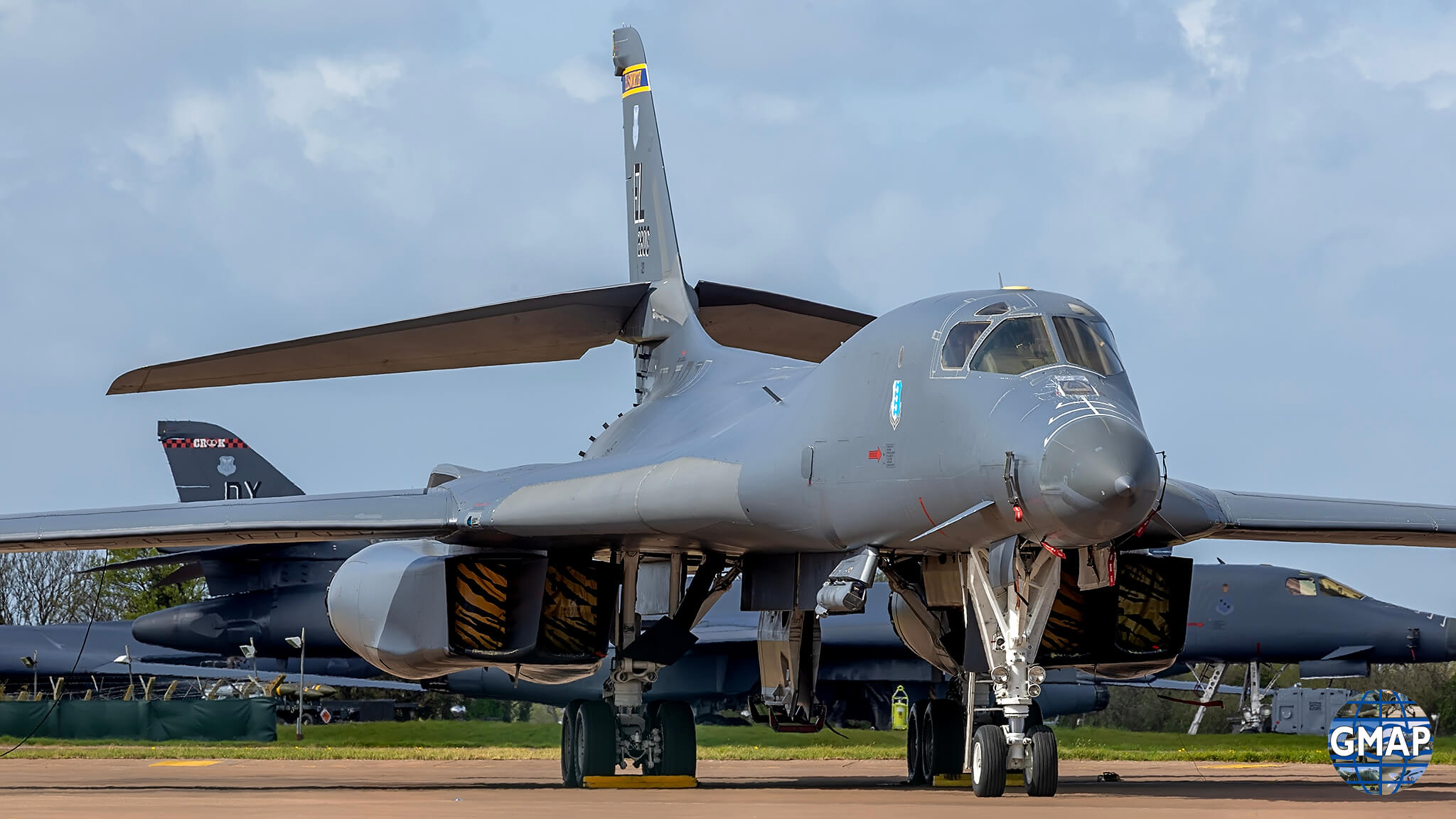
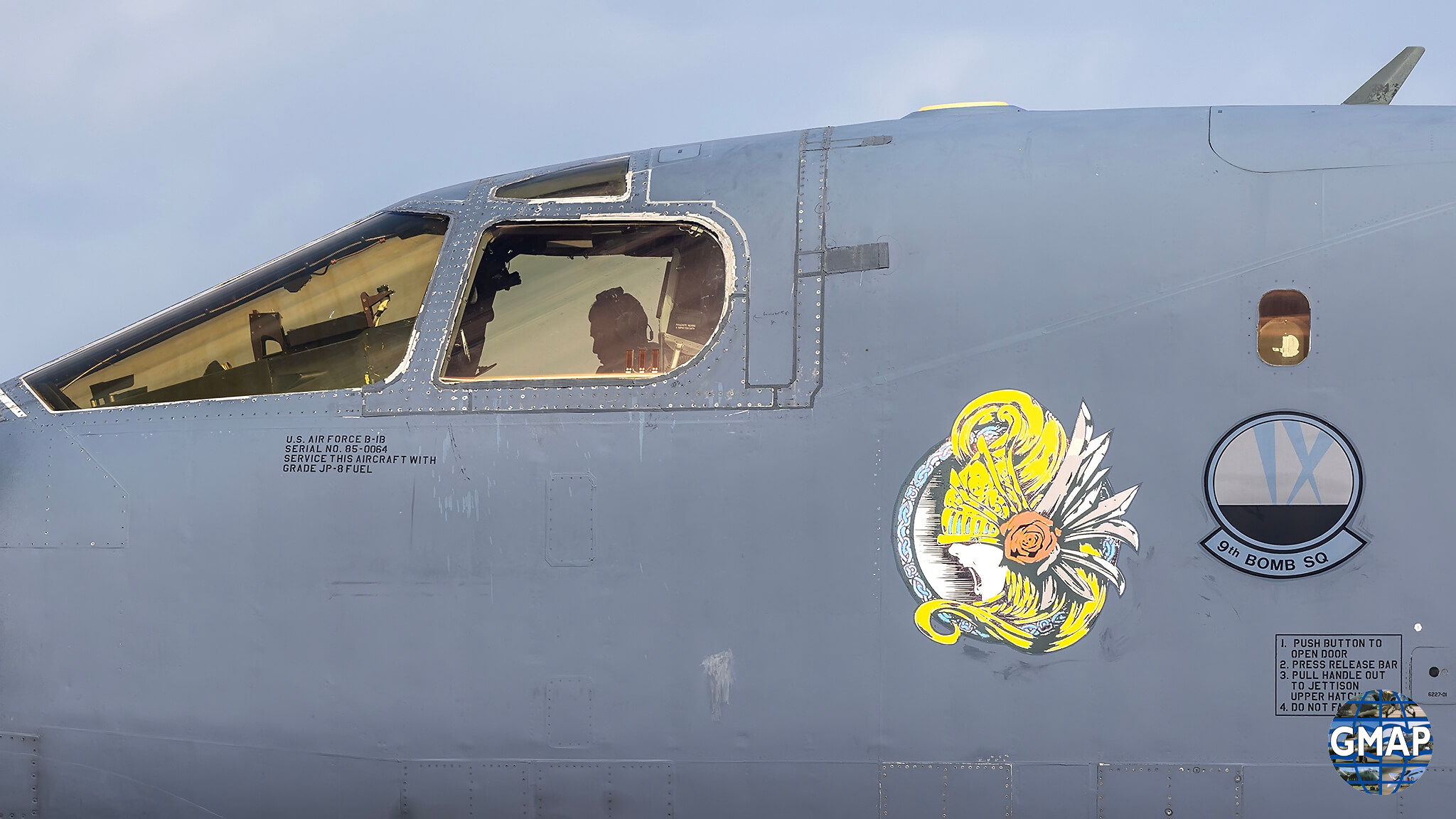
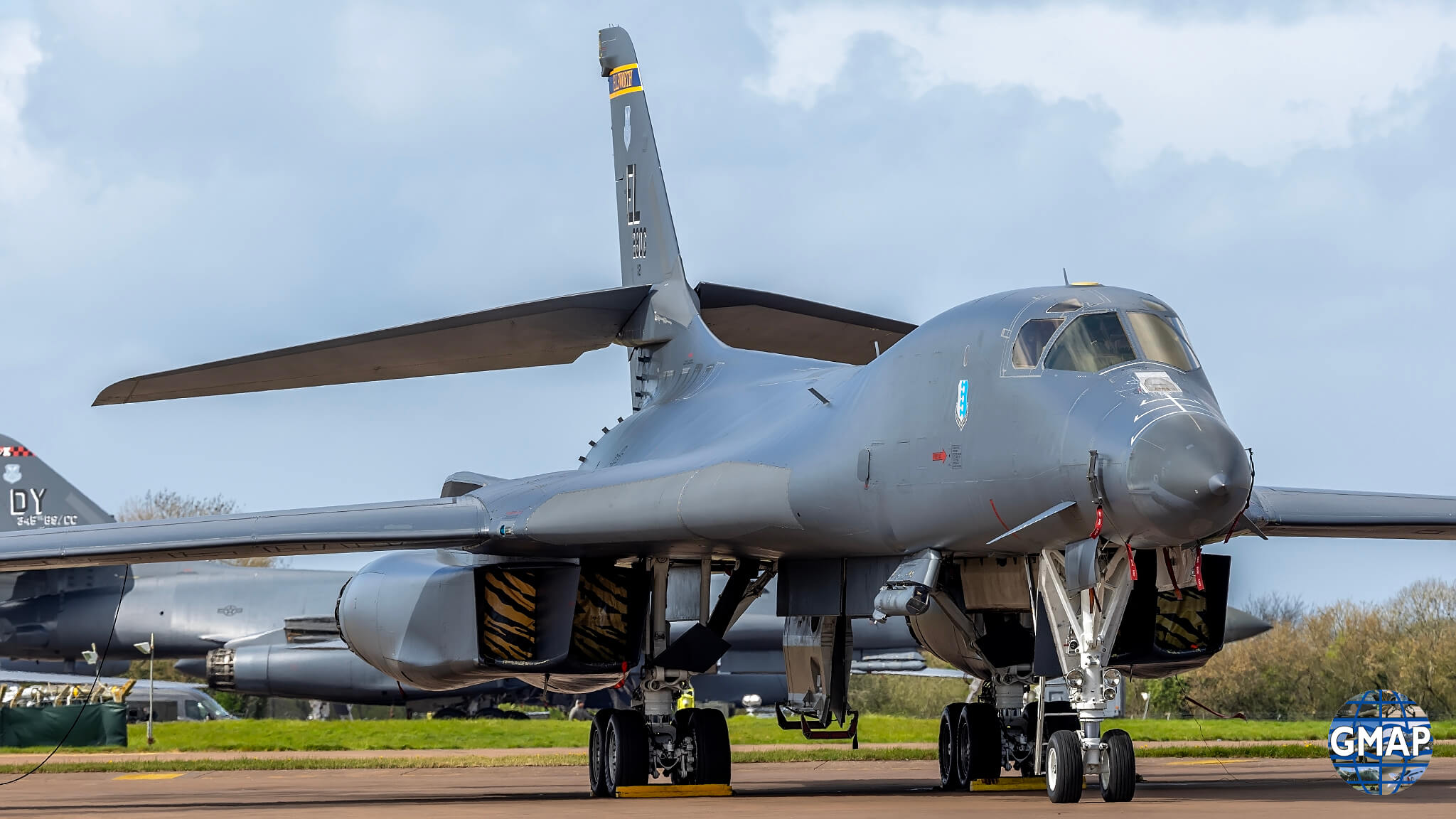
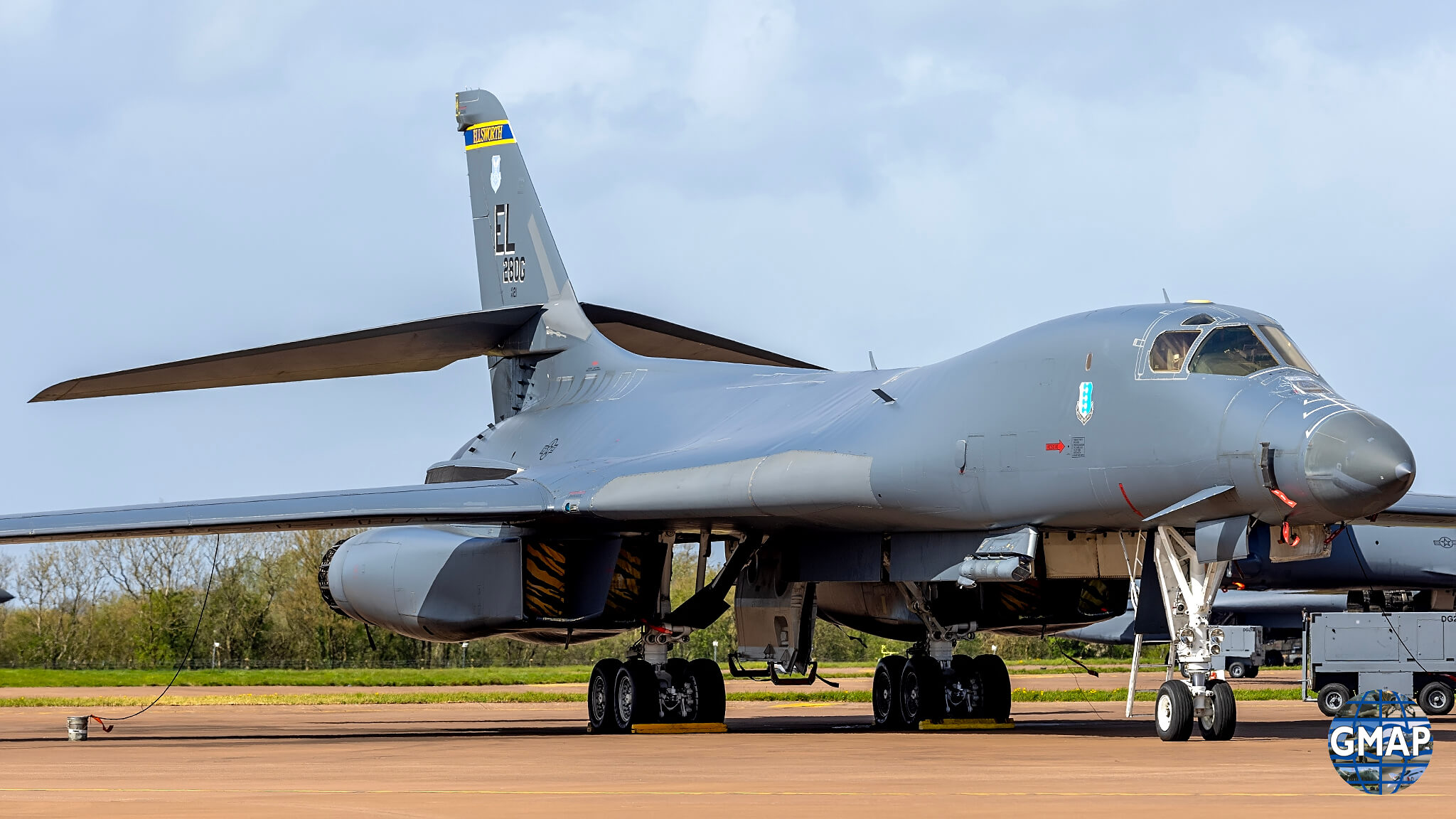
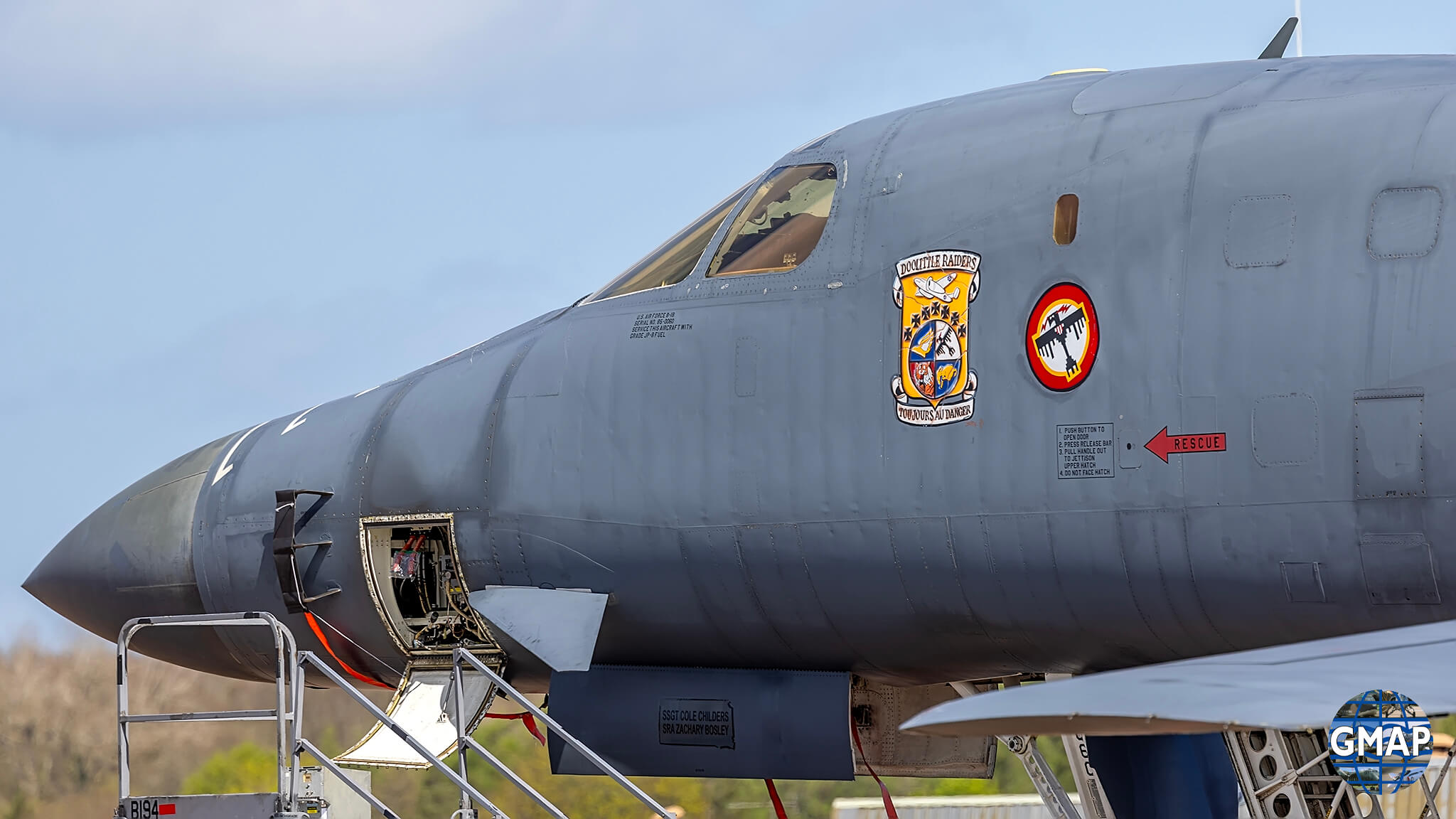
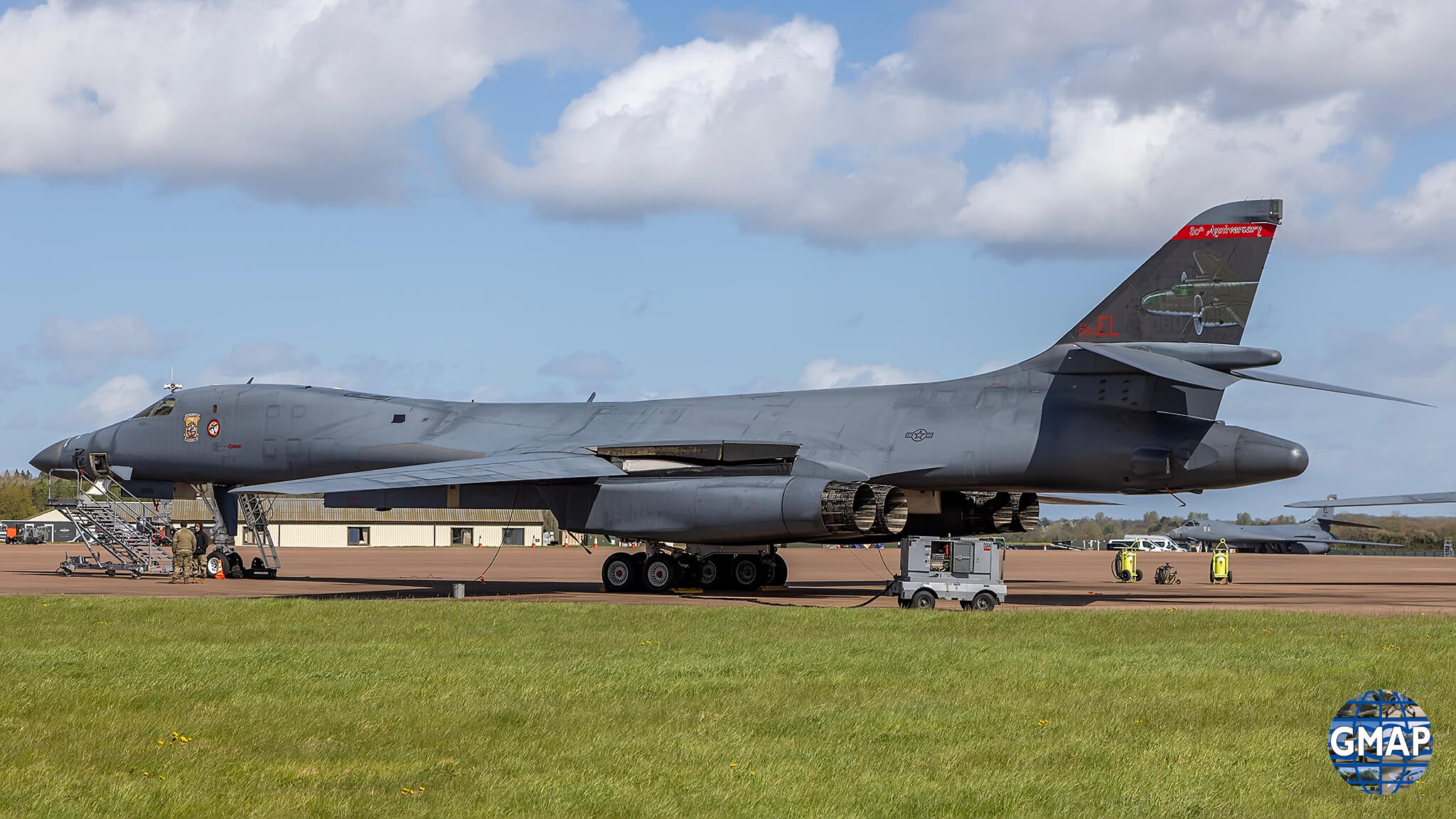
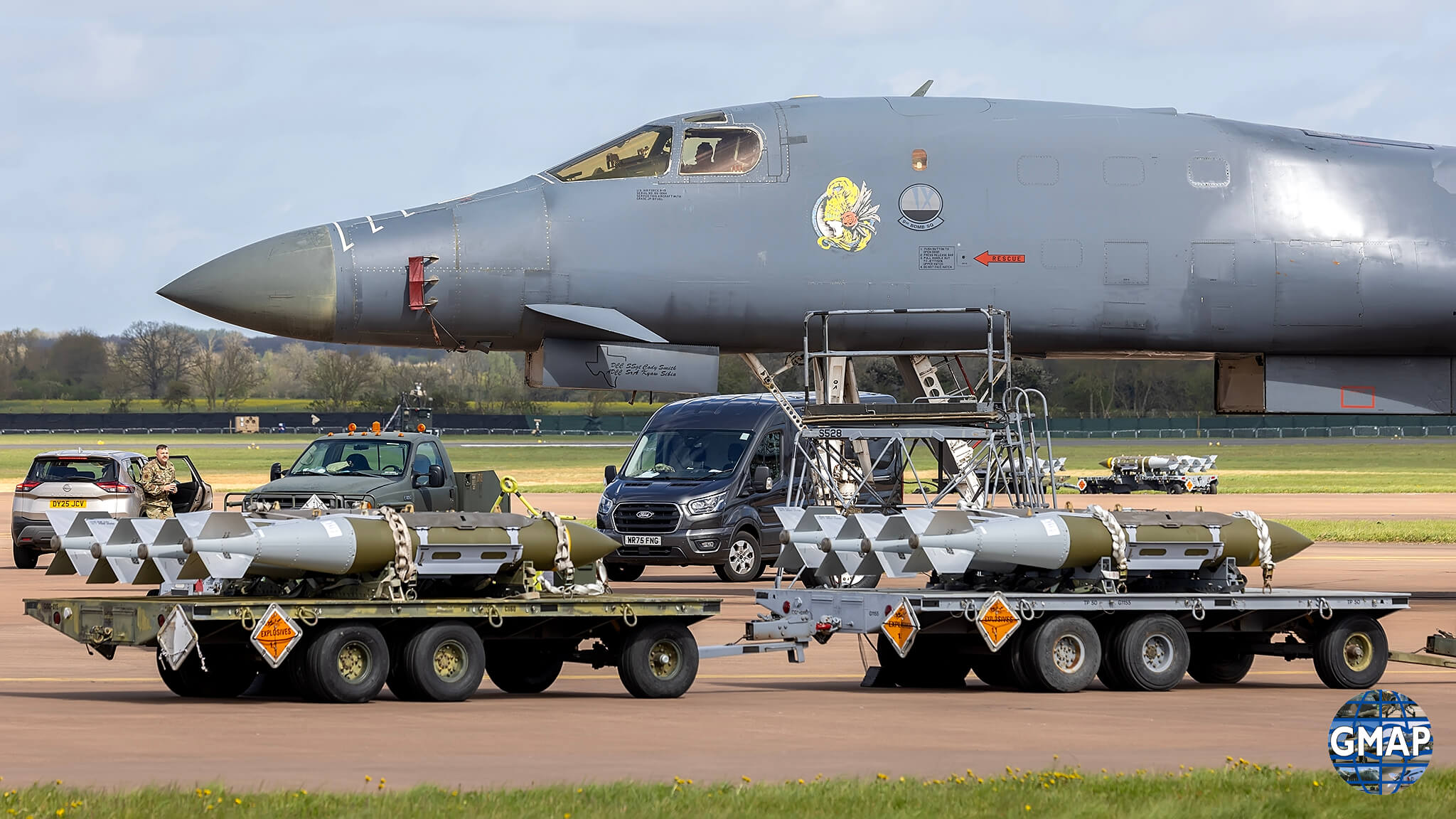
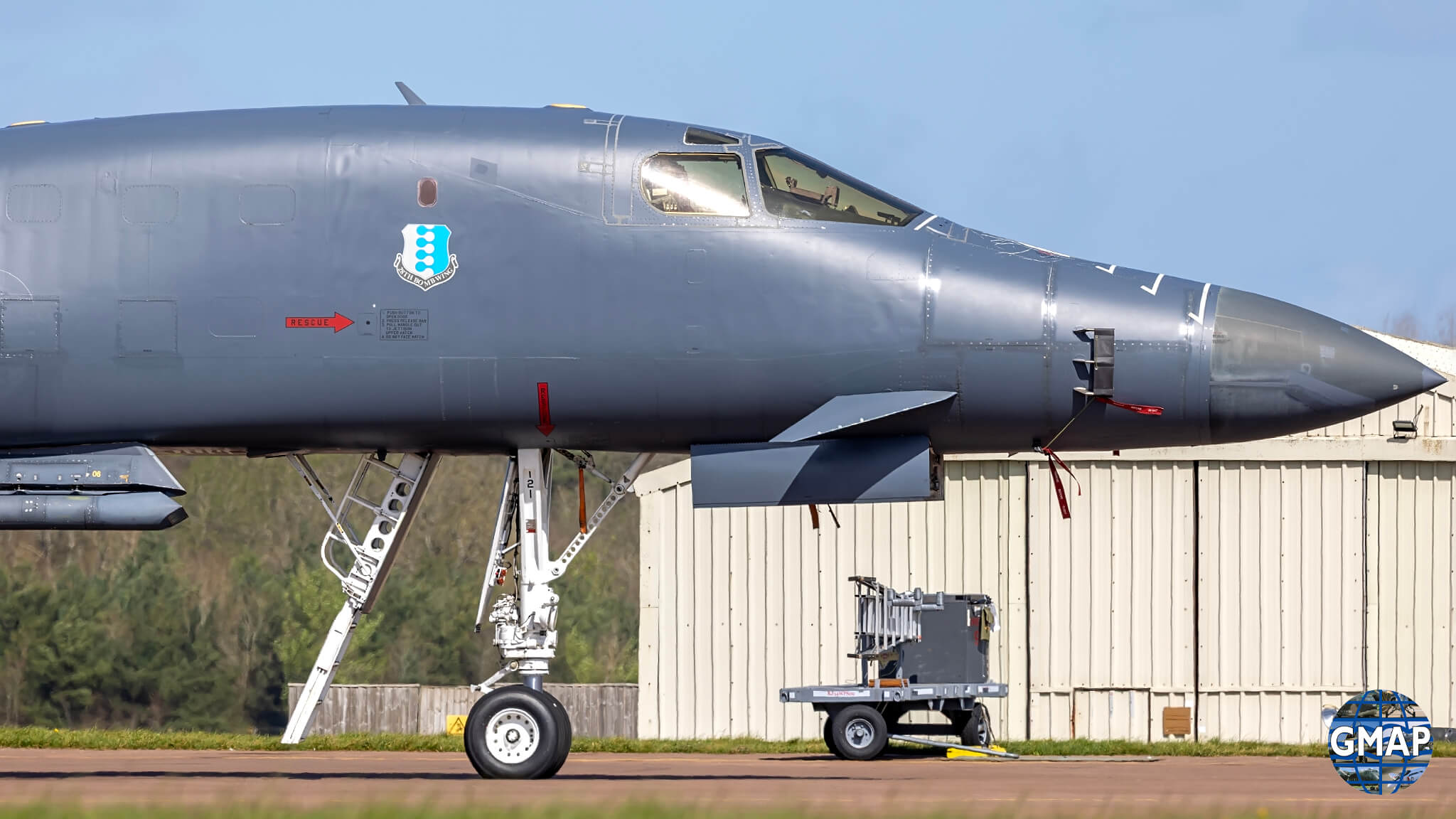
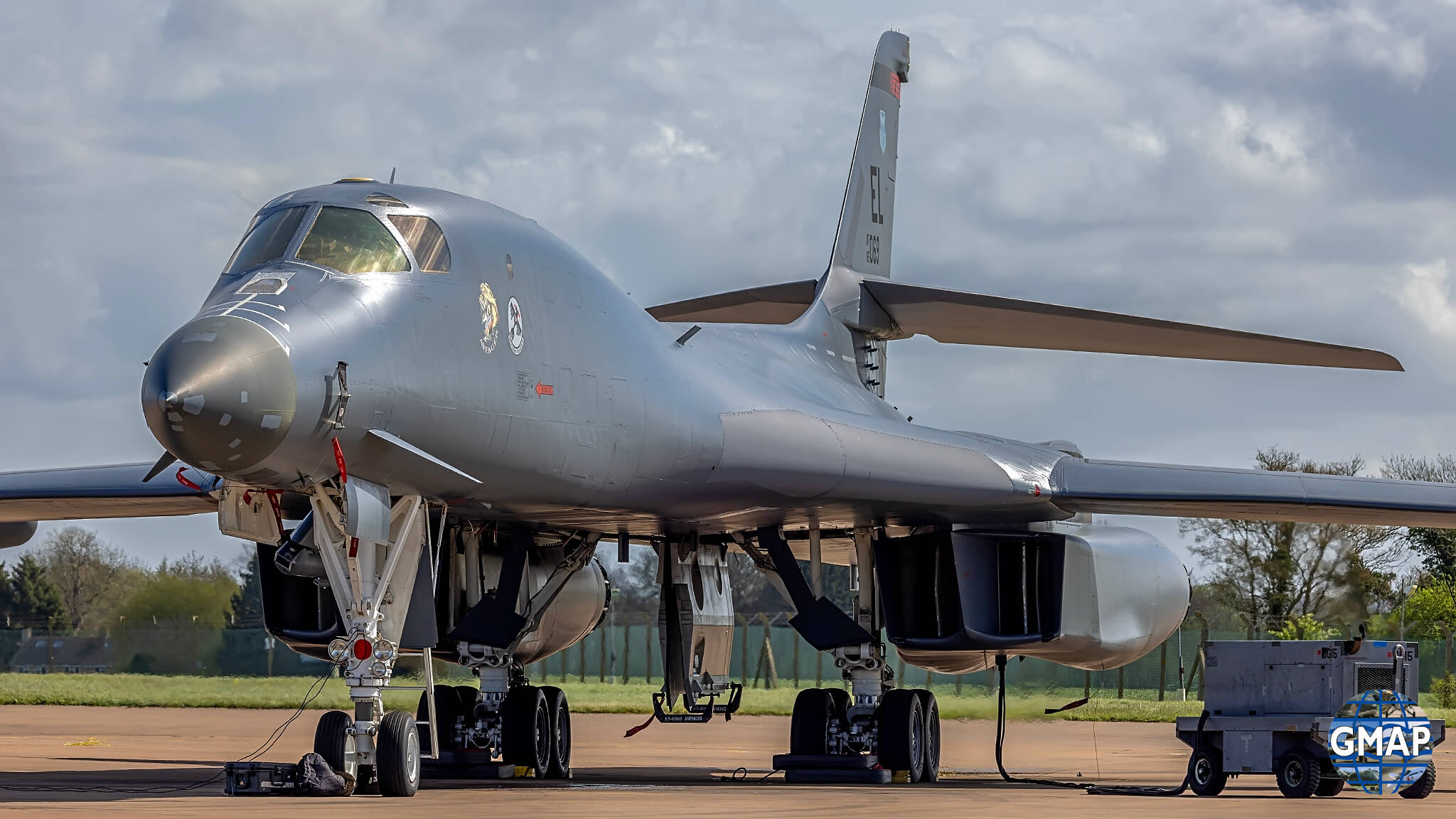
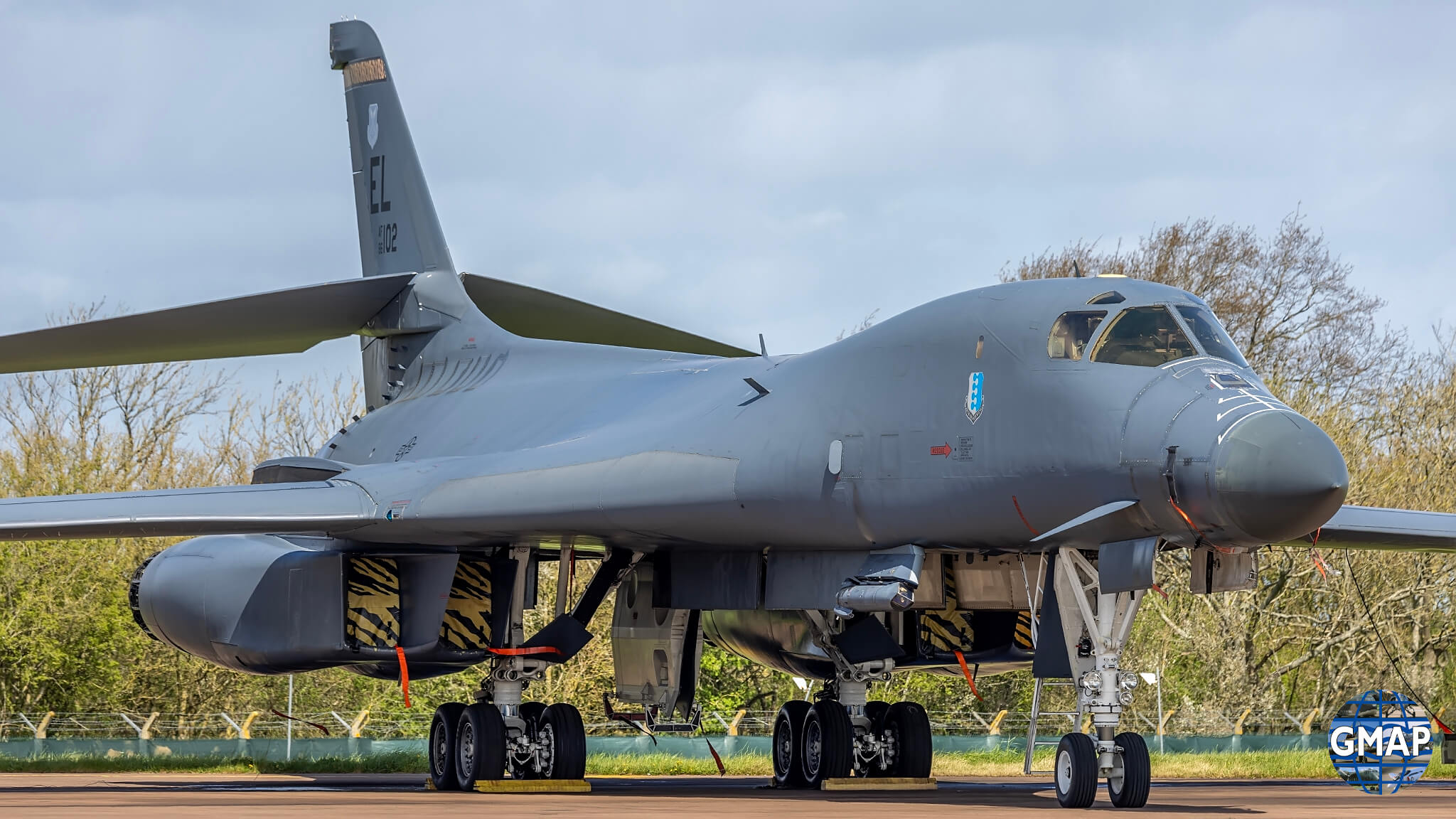
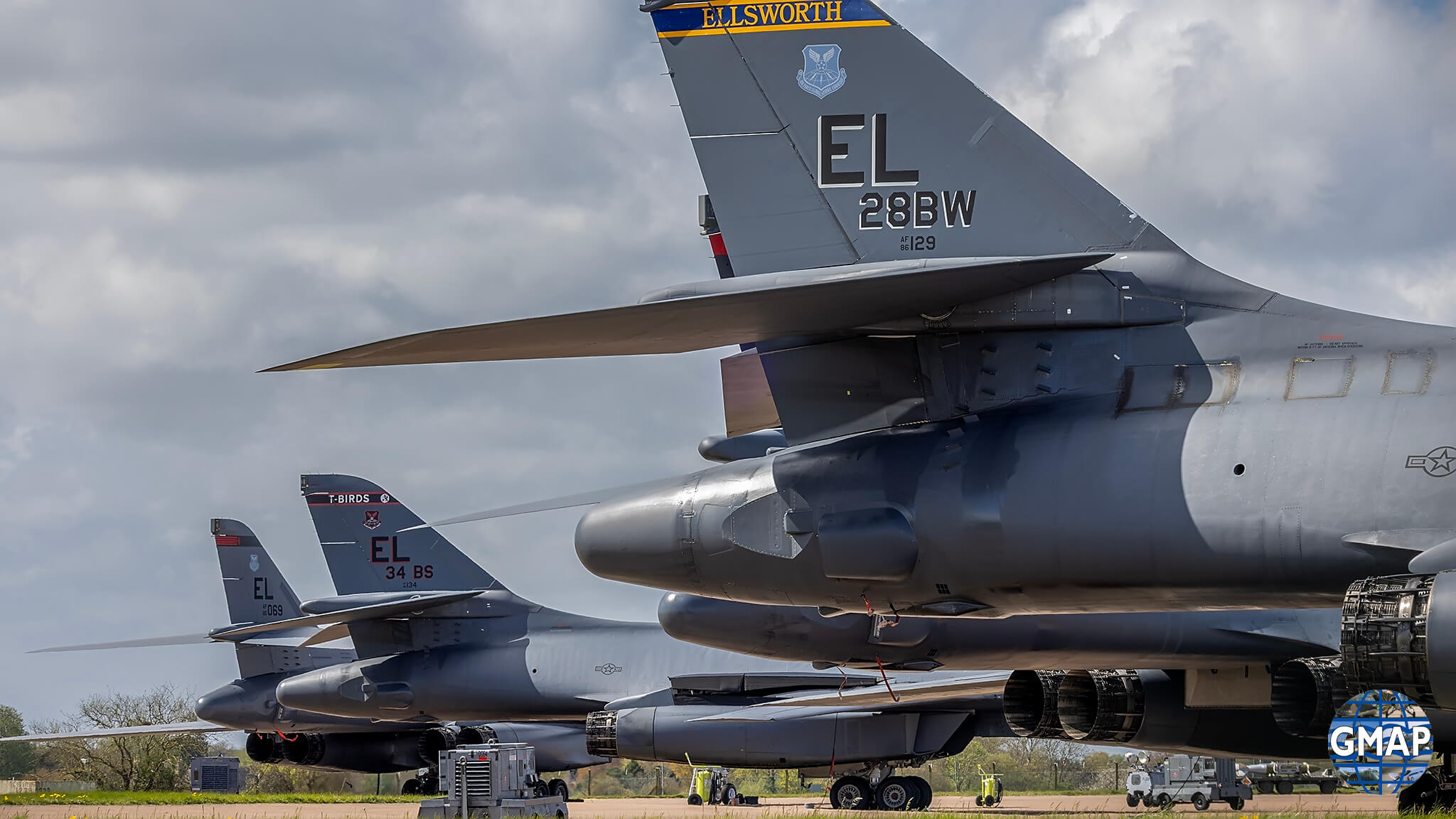
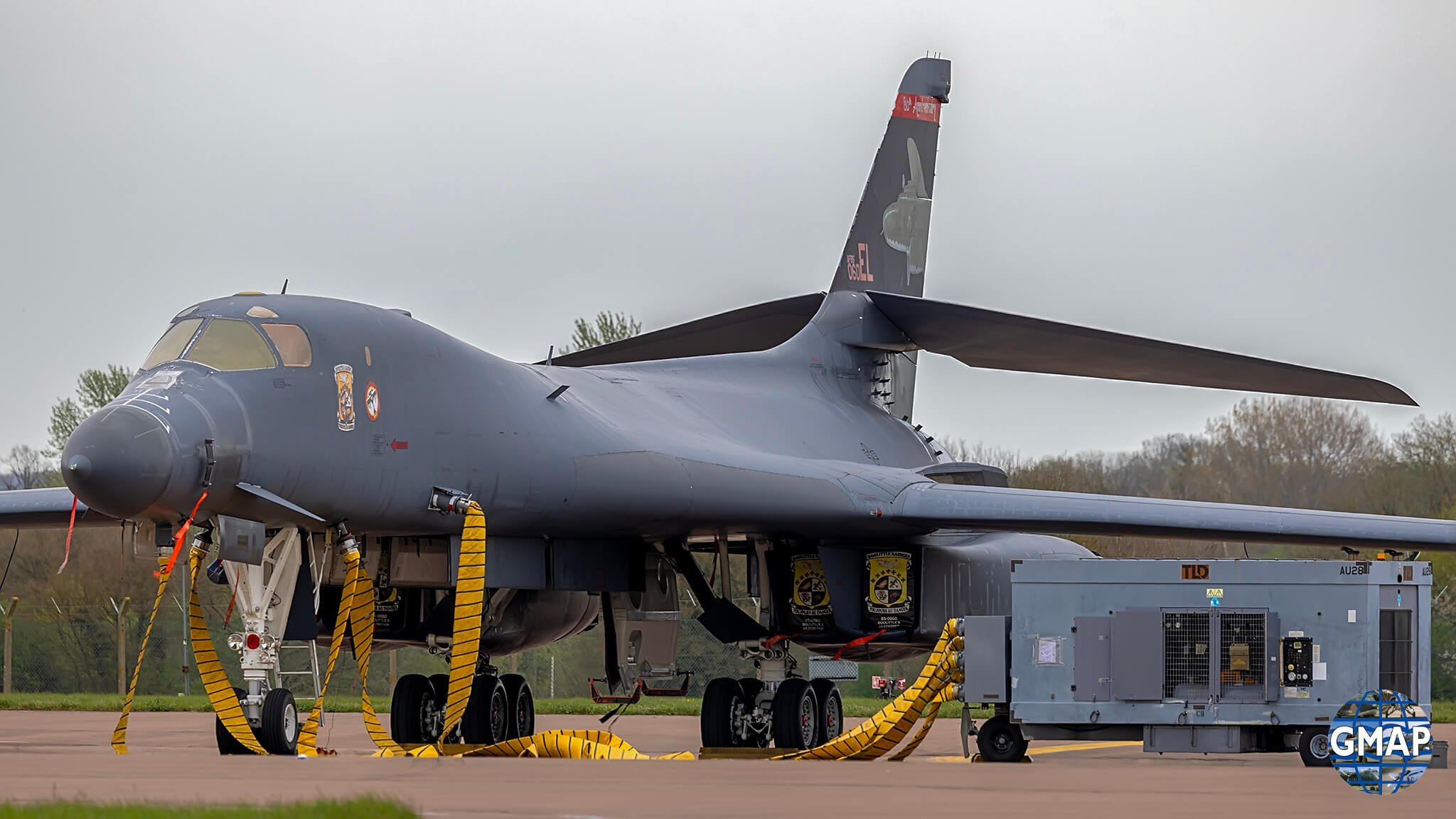
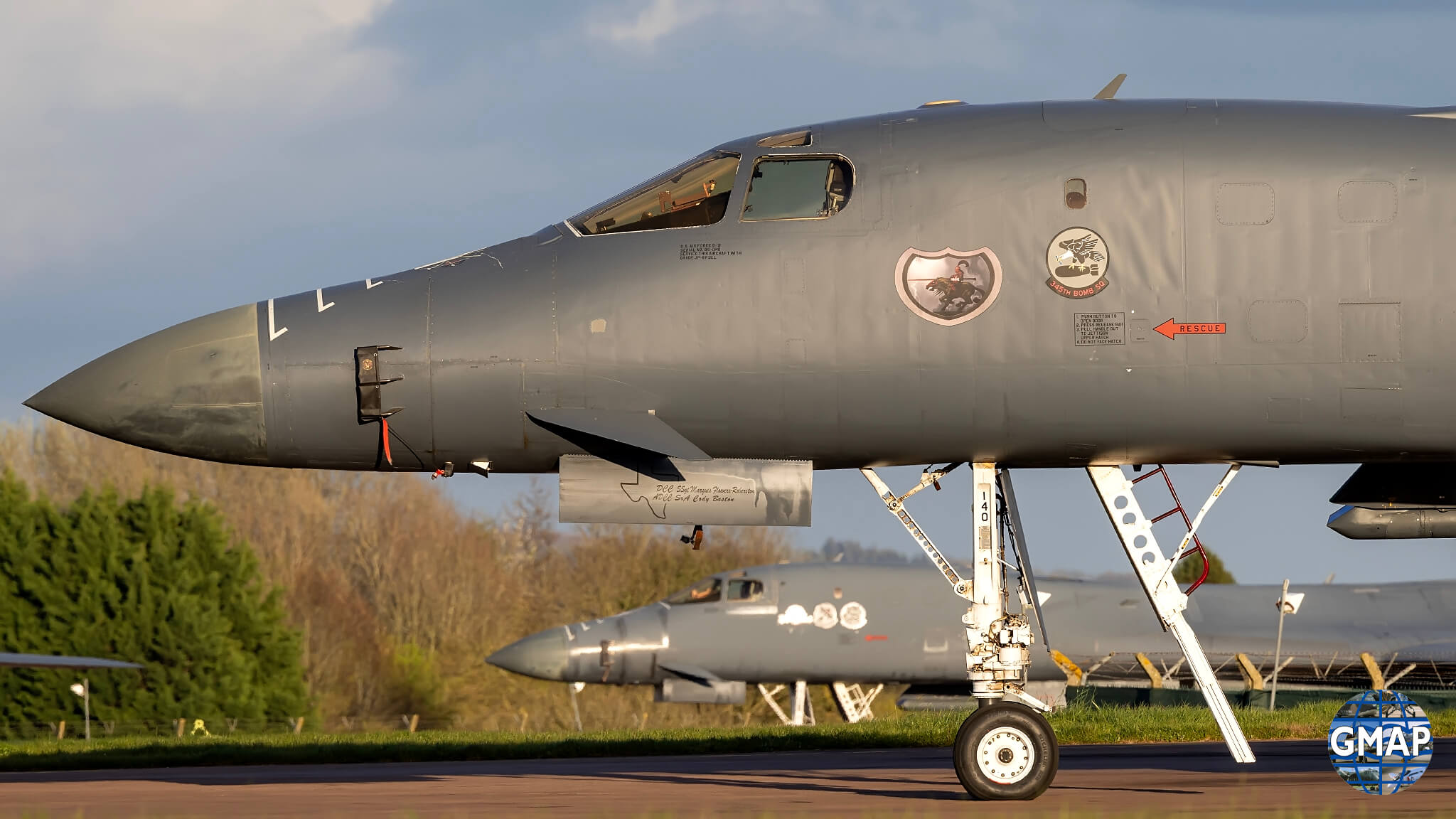
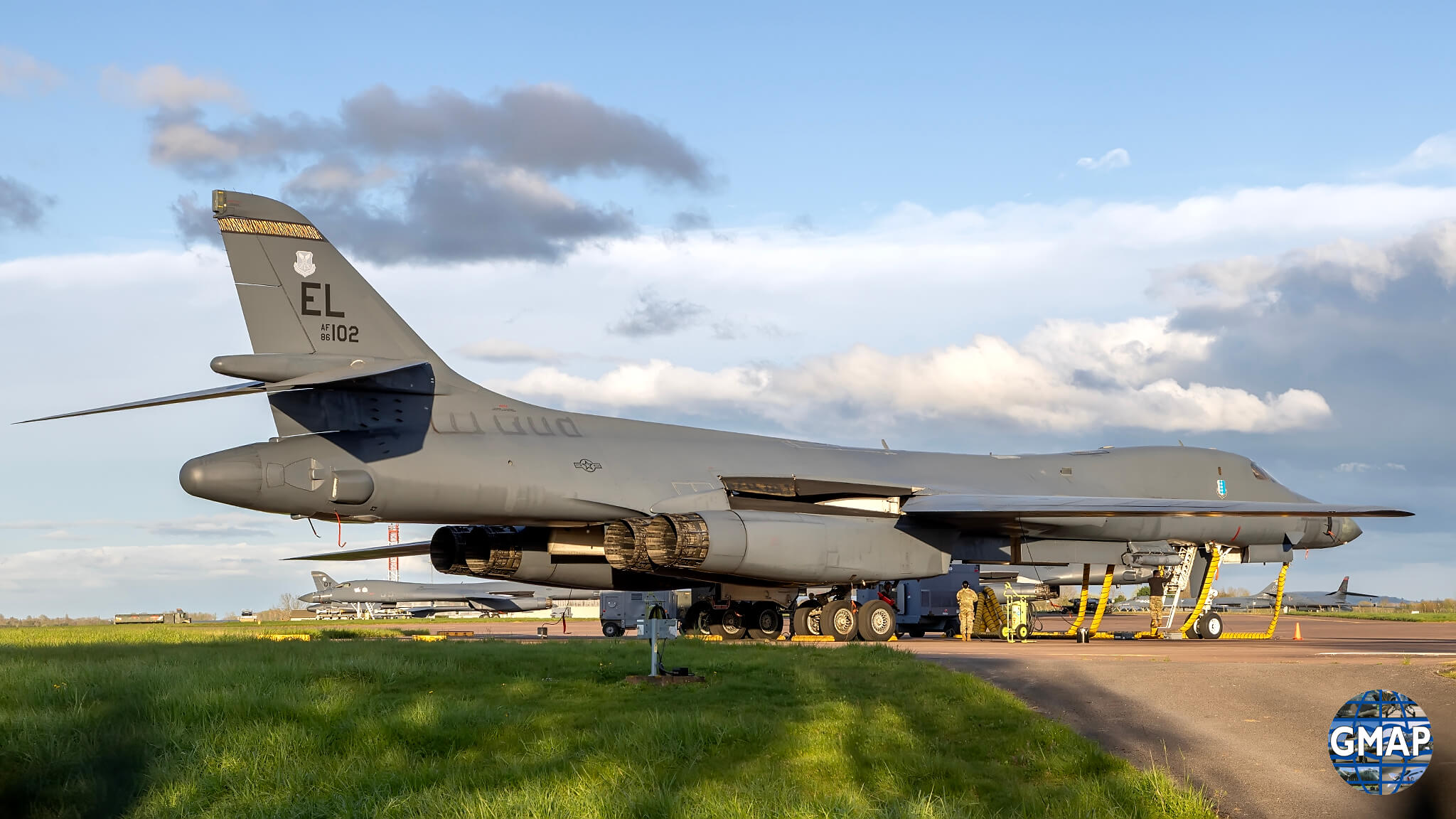
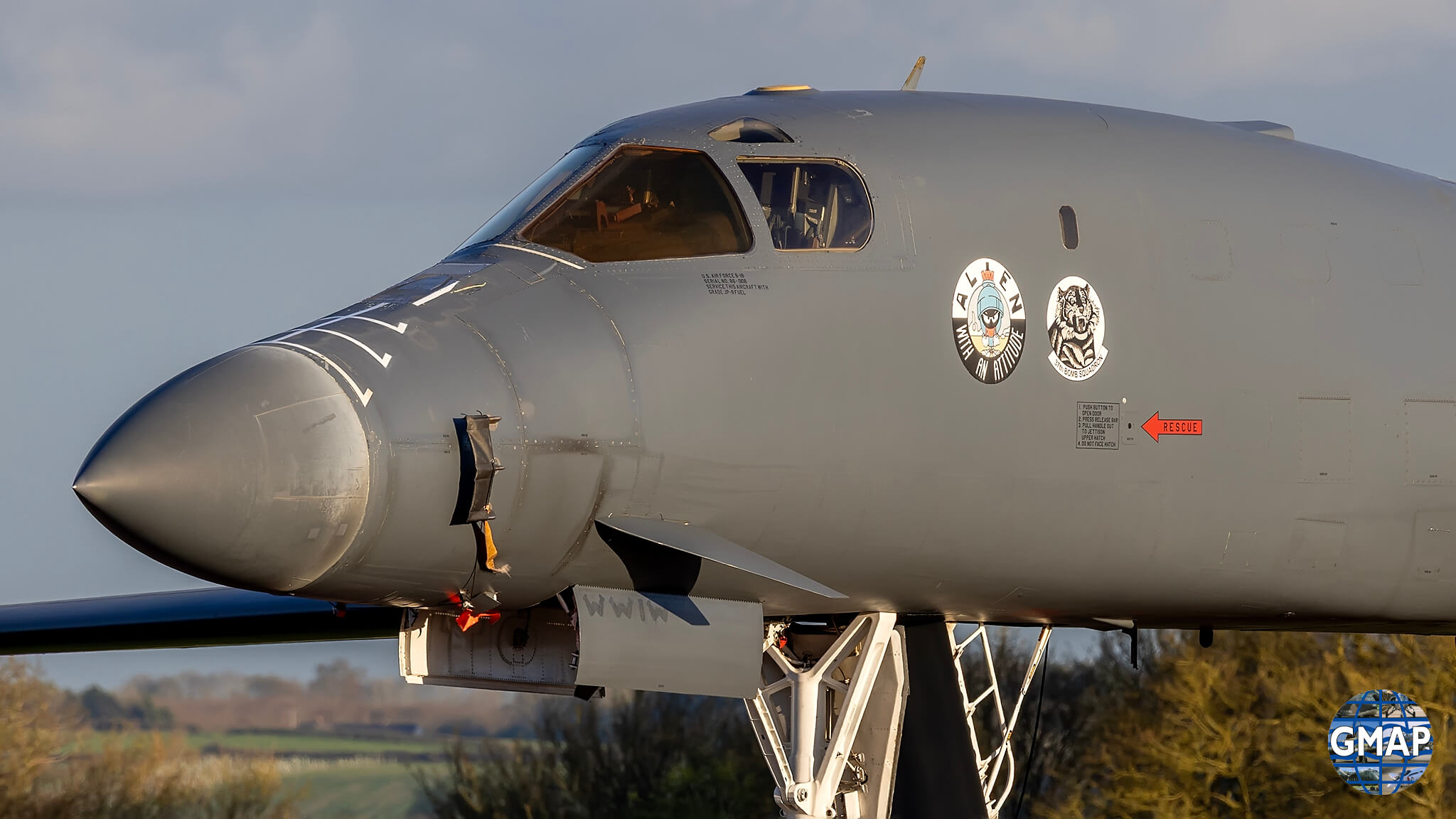
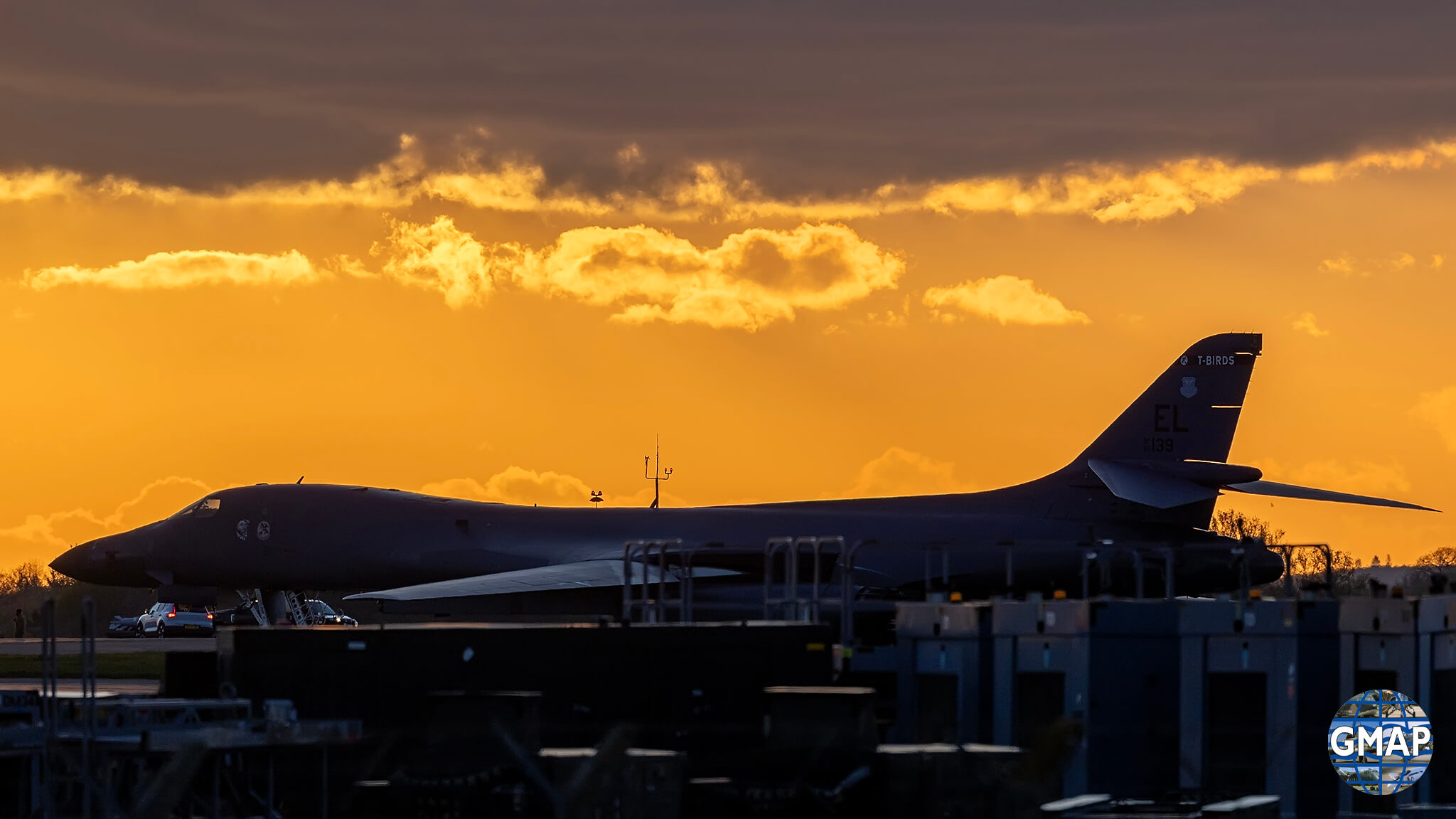
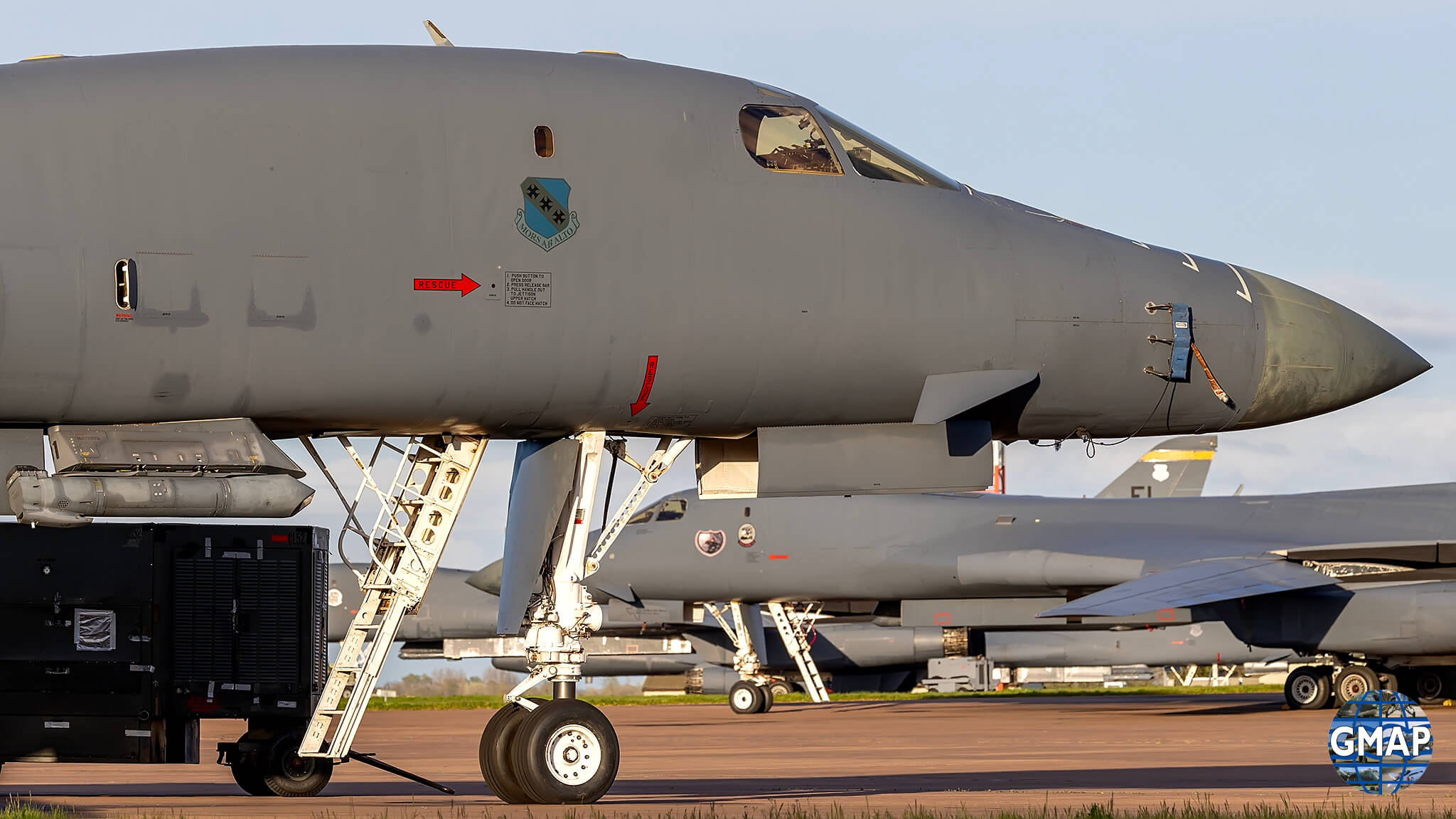
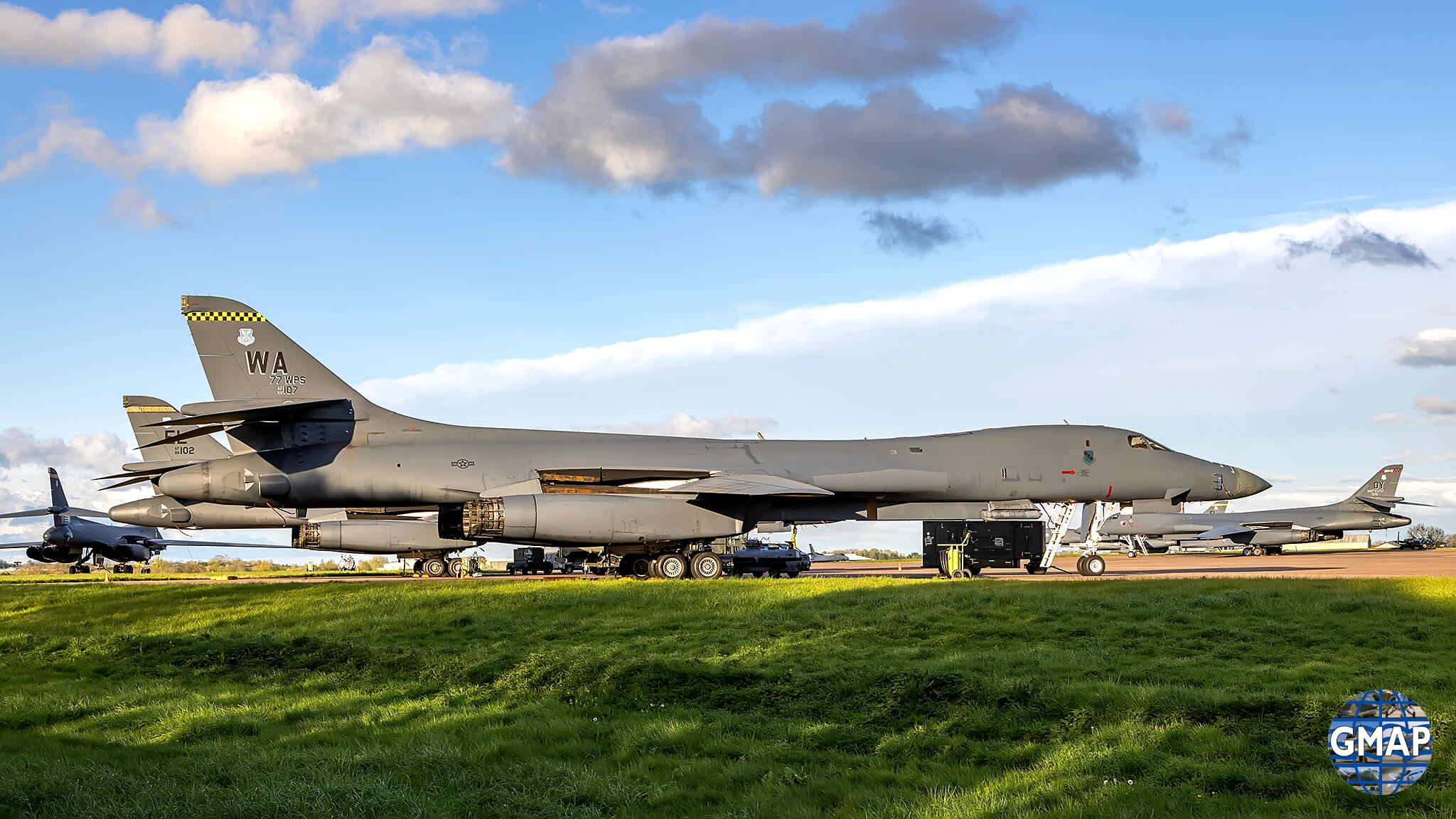
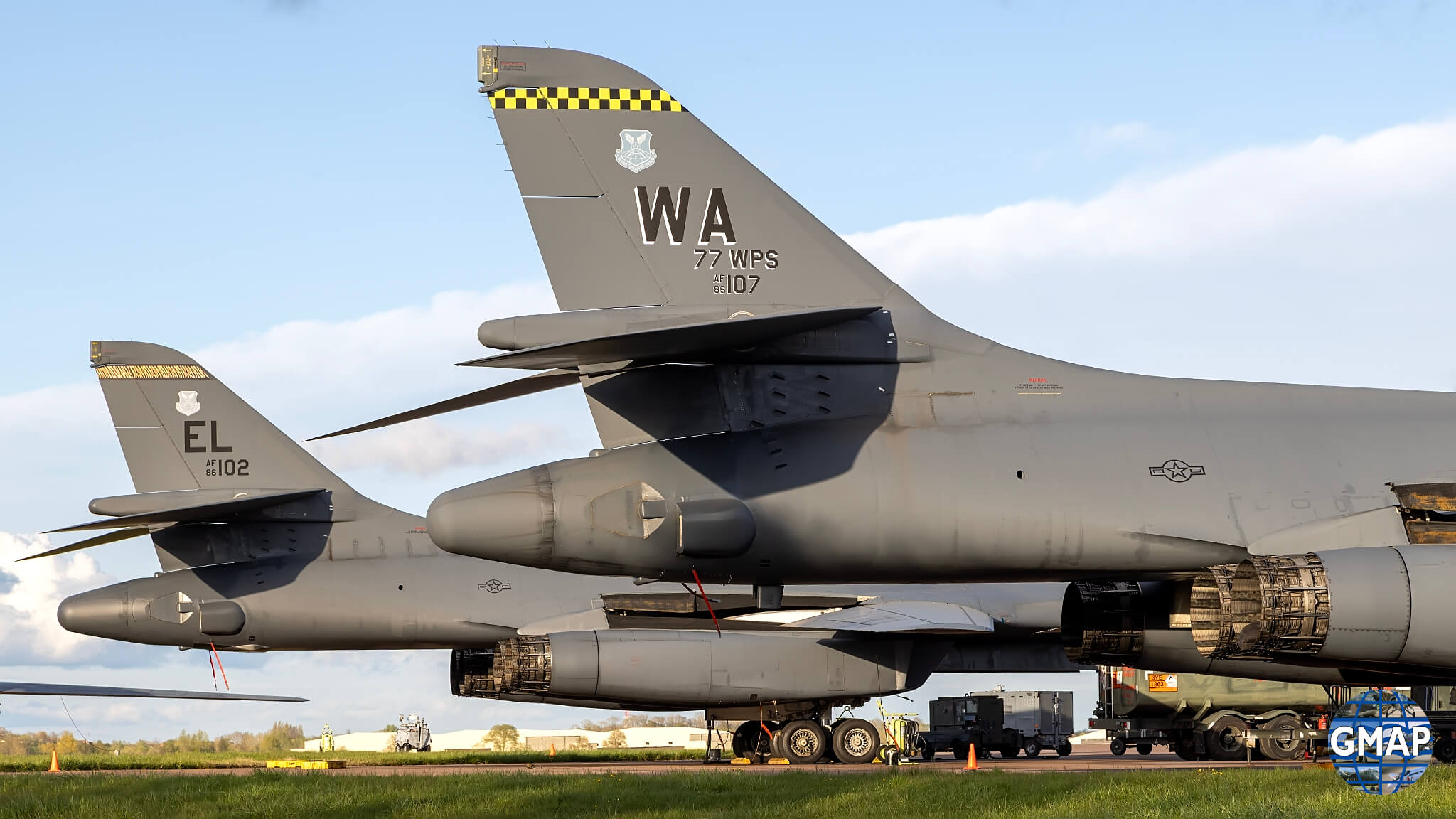
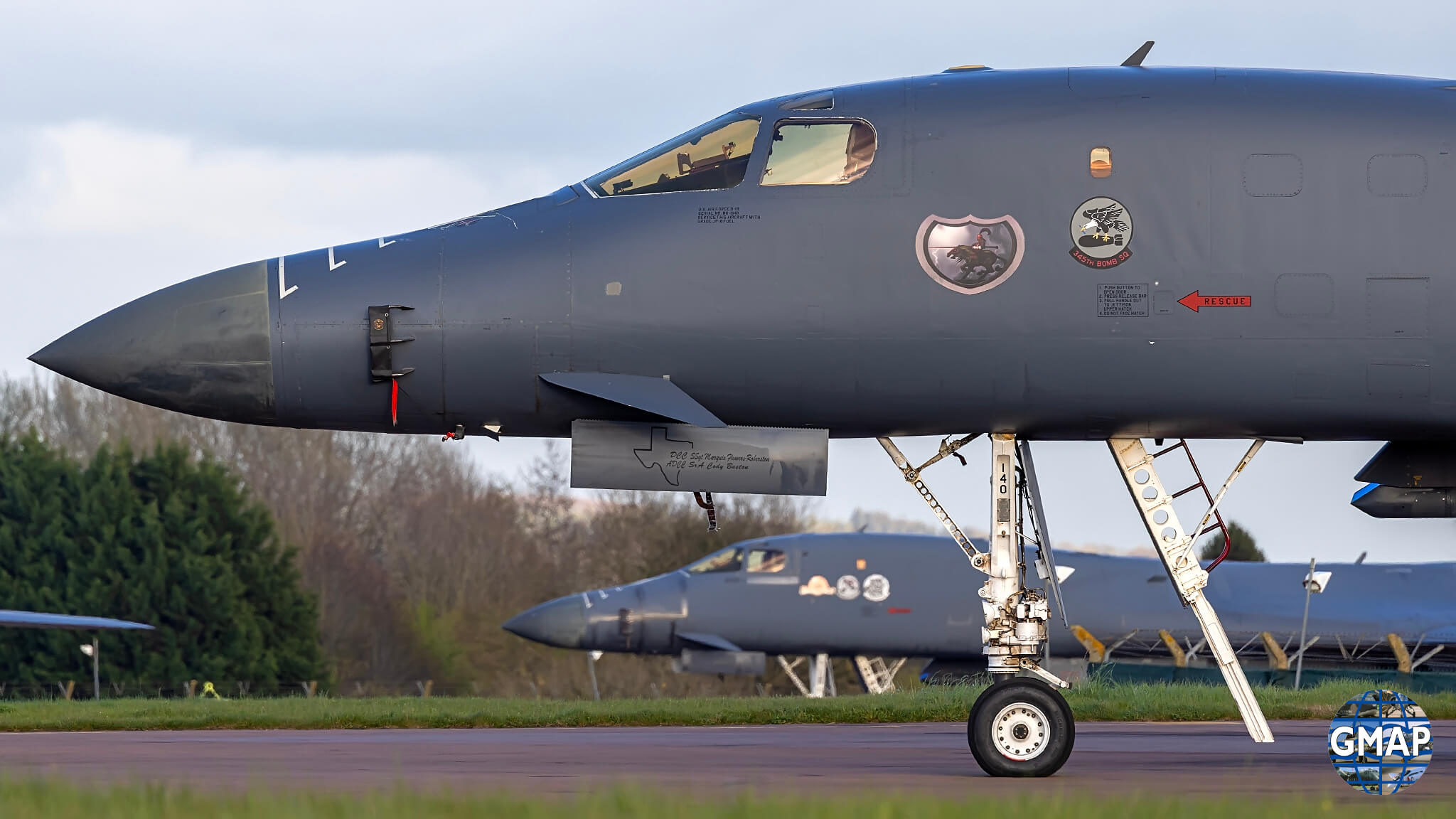
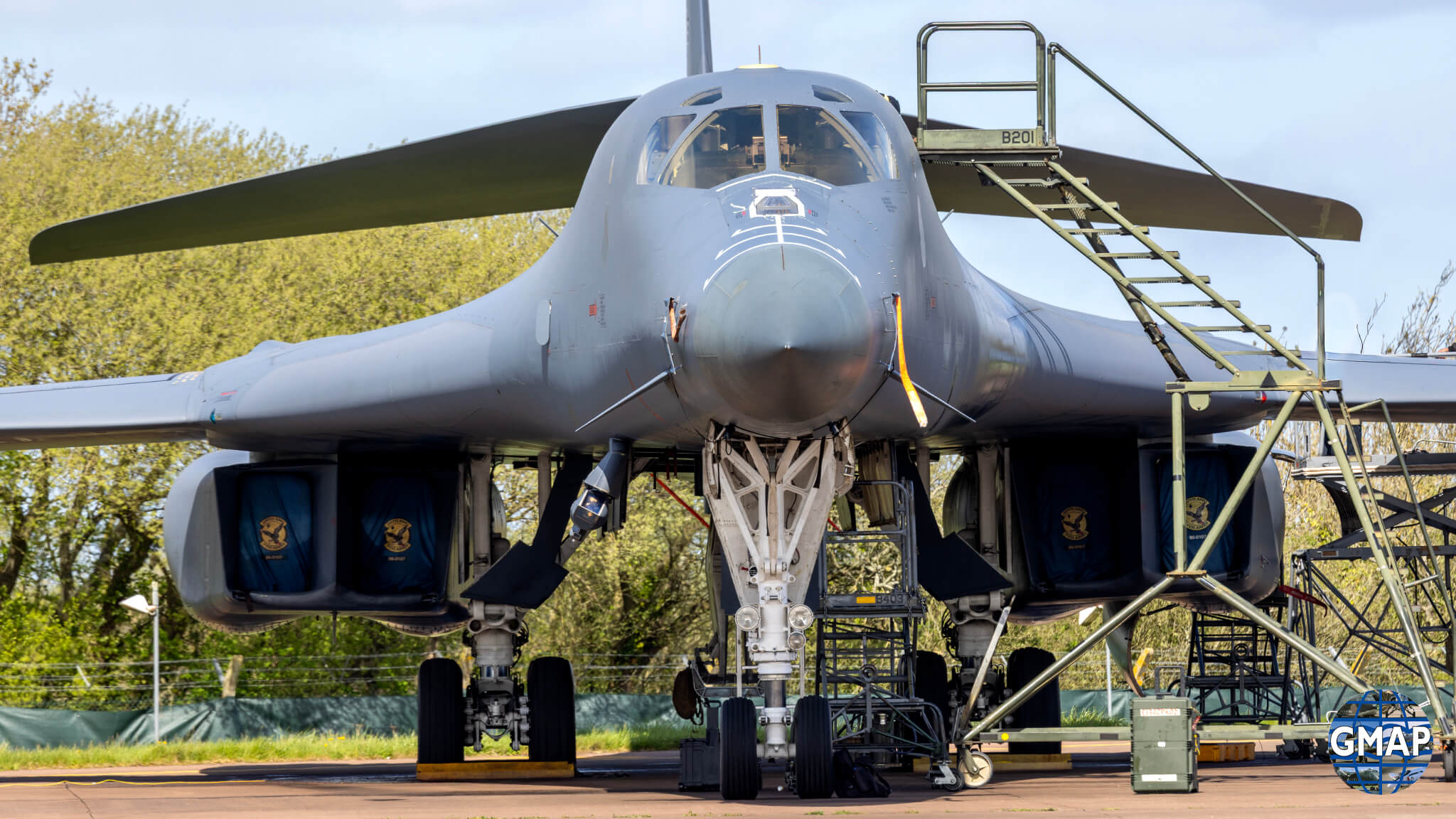
In early March 2026, the United States deployed a Bomber Task Force (BTF) to RAF Fairford as part of the escalating campaign against Iran. The first arrivals included multiple Rockwell B-1B Lancer bombers, followed by additional aircraft and support elements.

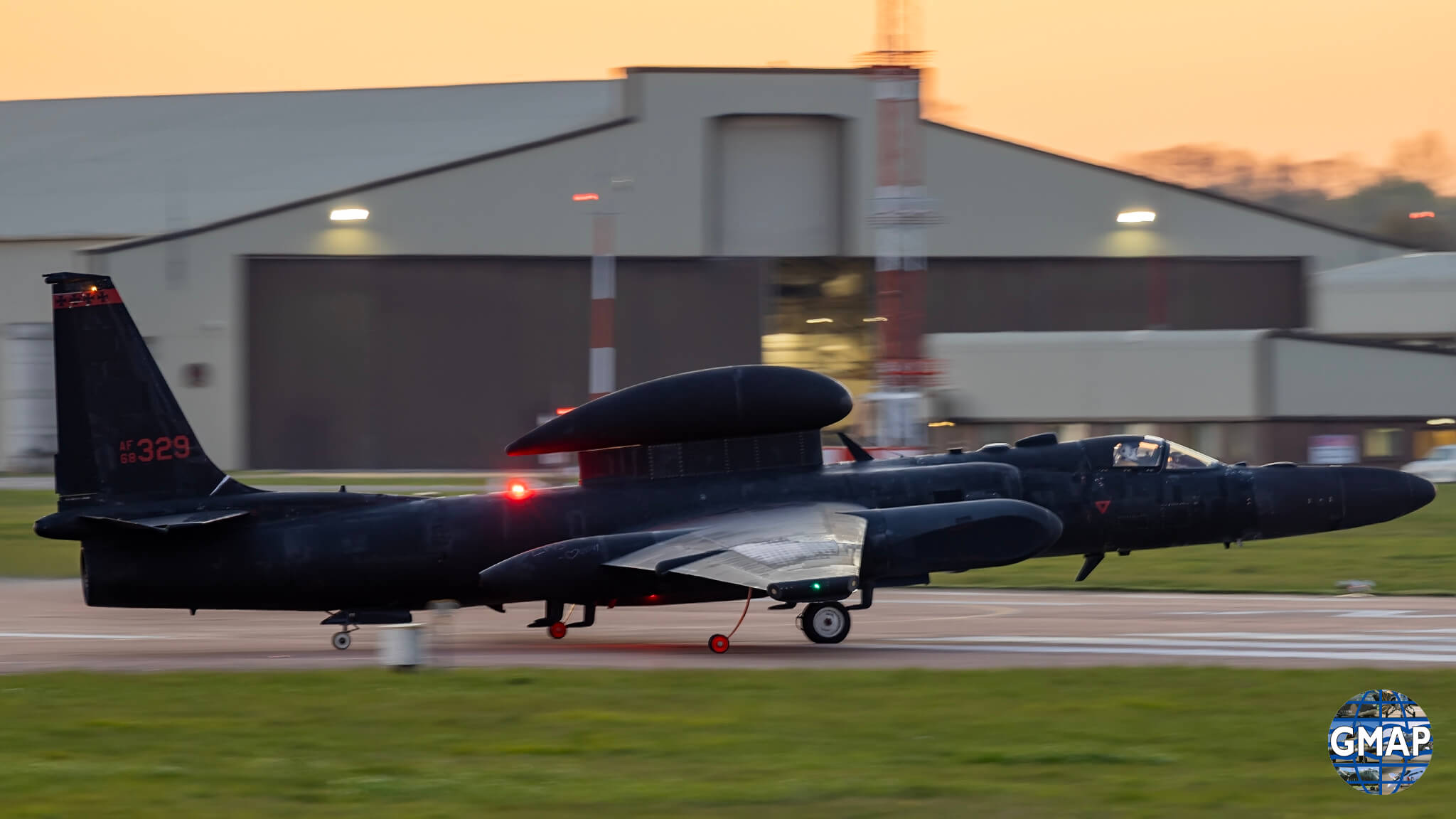
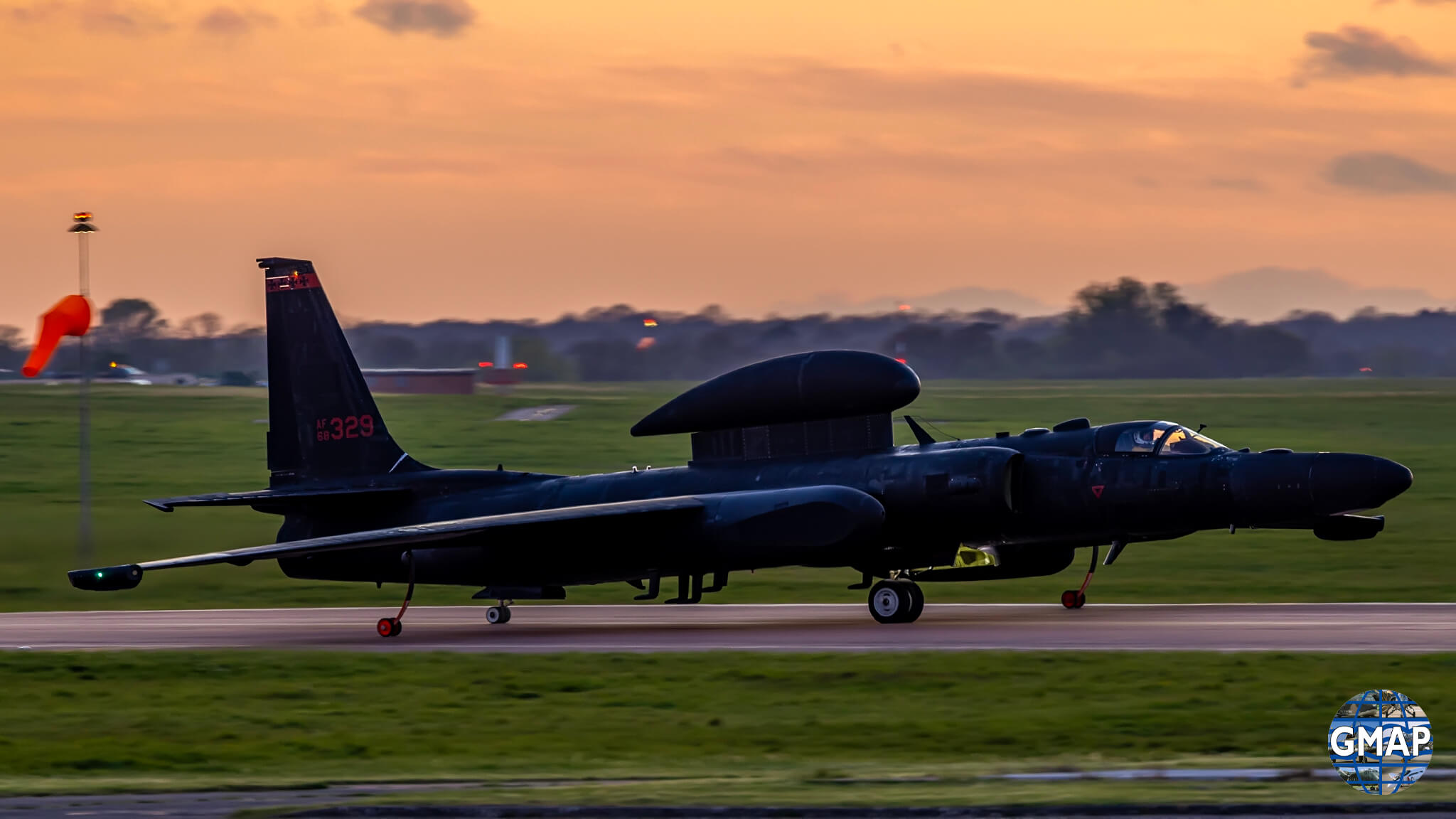
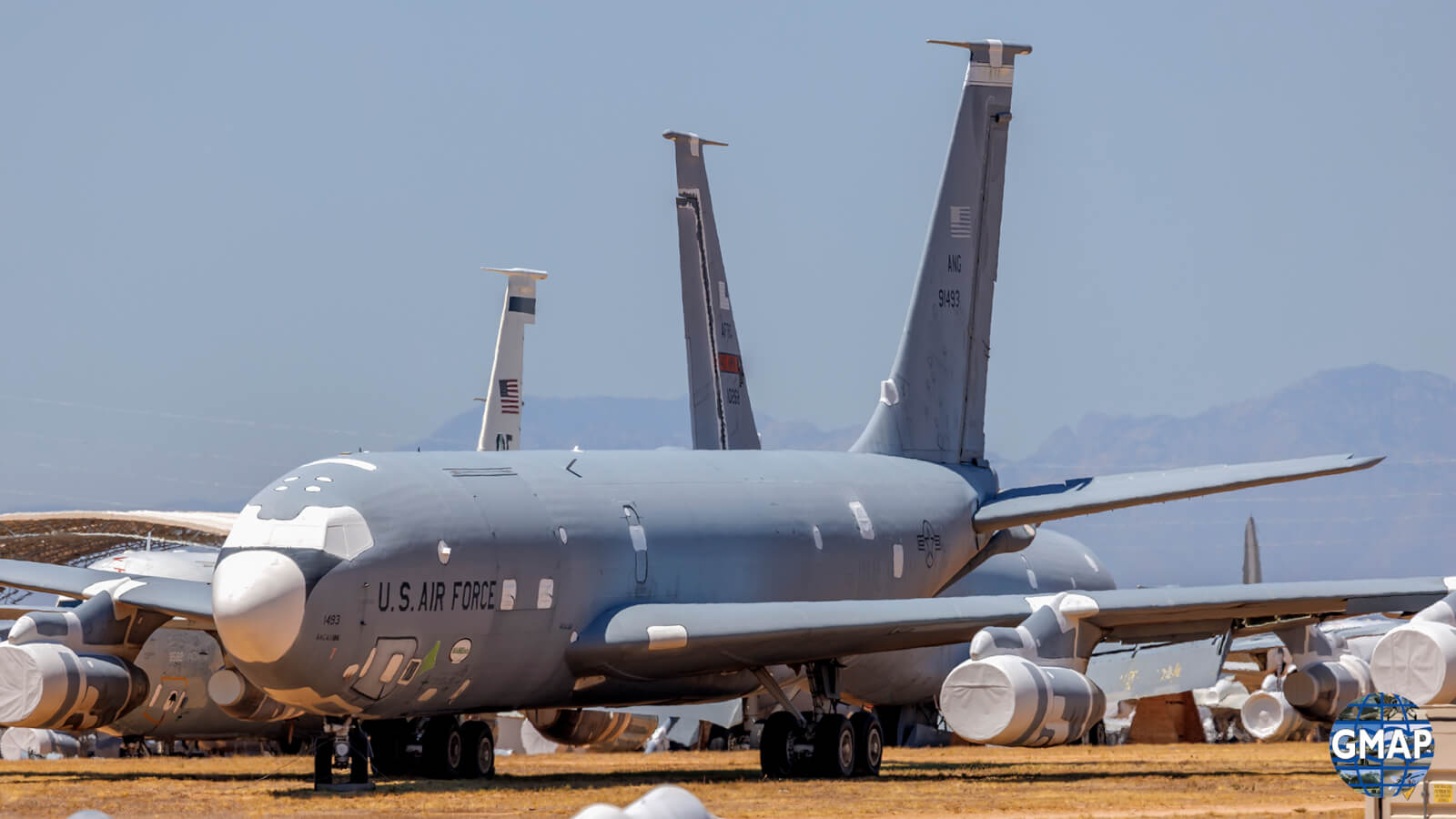
Within days, Fairford transformed into a high-tempo operational hub. Aircraft, crews, and logistics units flowed into the base, supported by transport aircraft delivering munitions and spare parts.

The Bomber Task Force concept itself is designed for flexibility—deploying tailored groups of bombers worldwide to demonstrate readiness and provide immediate strike capability.
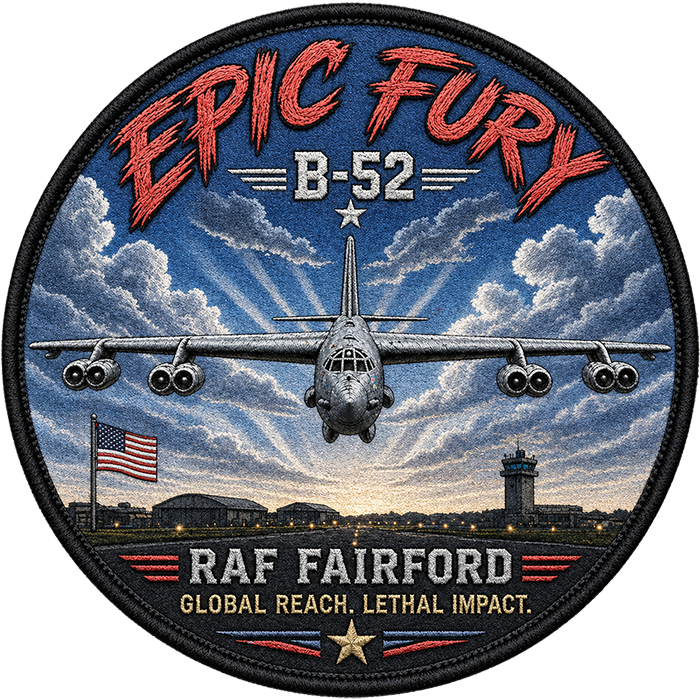
Epic Fury: Combat Operations from the UK

Operation Epic Fury marked a significant shift in how RAF Fairford is used. After initial hesitation, the UK government authorized the use of British bases for “defensive operations”, allowing U.S. bombers to launch missions directly from the UK.

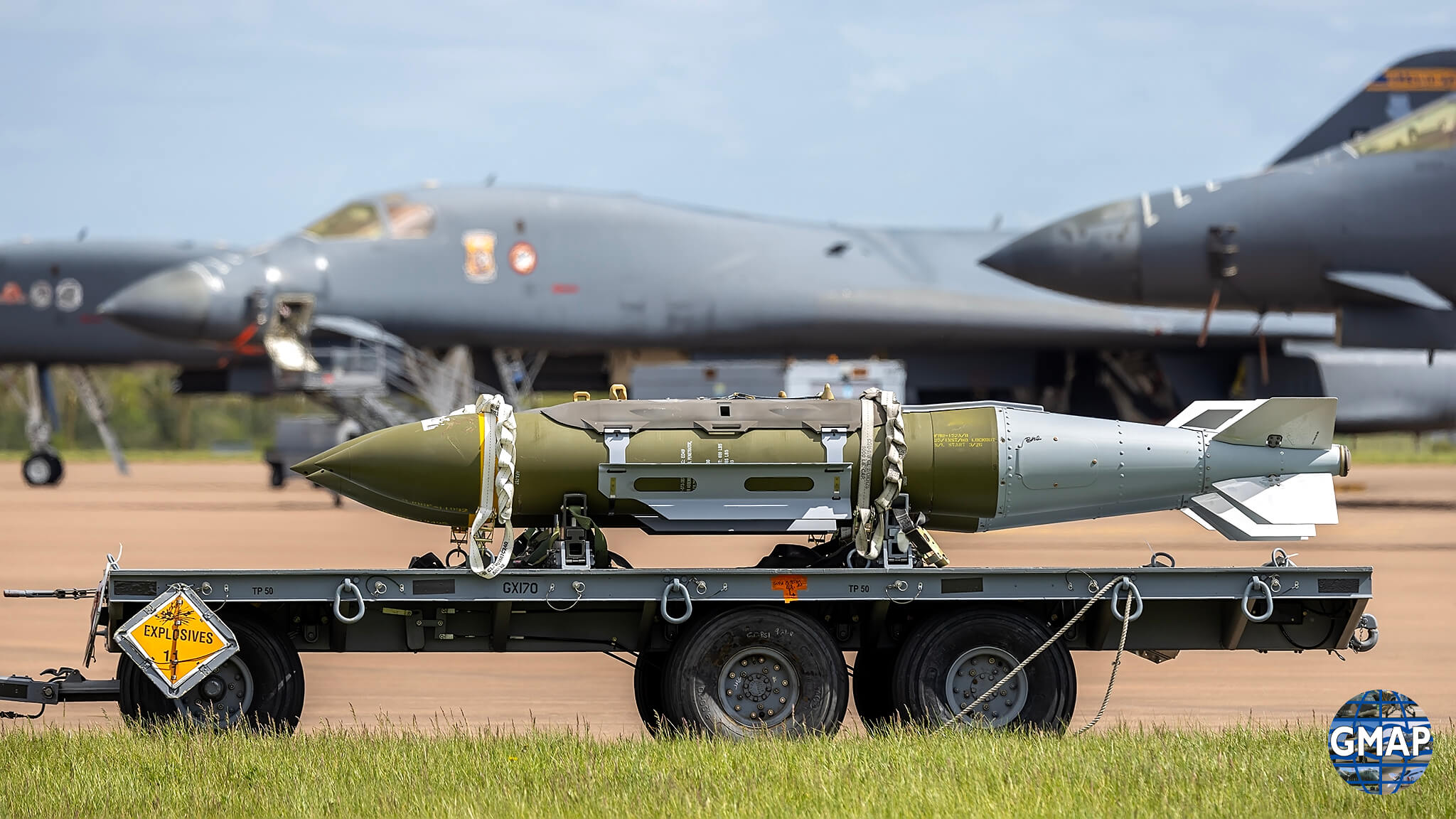
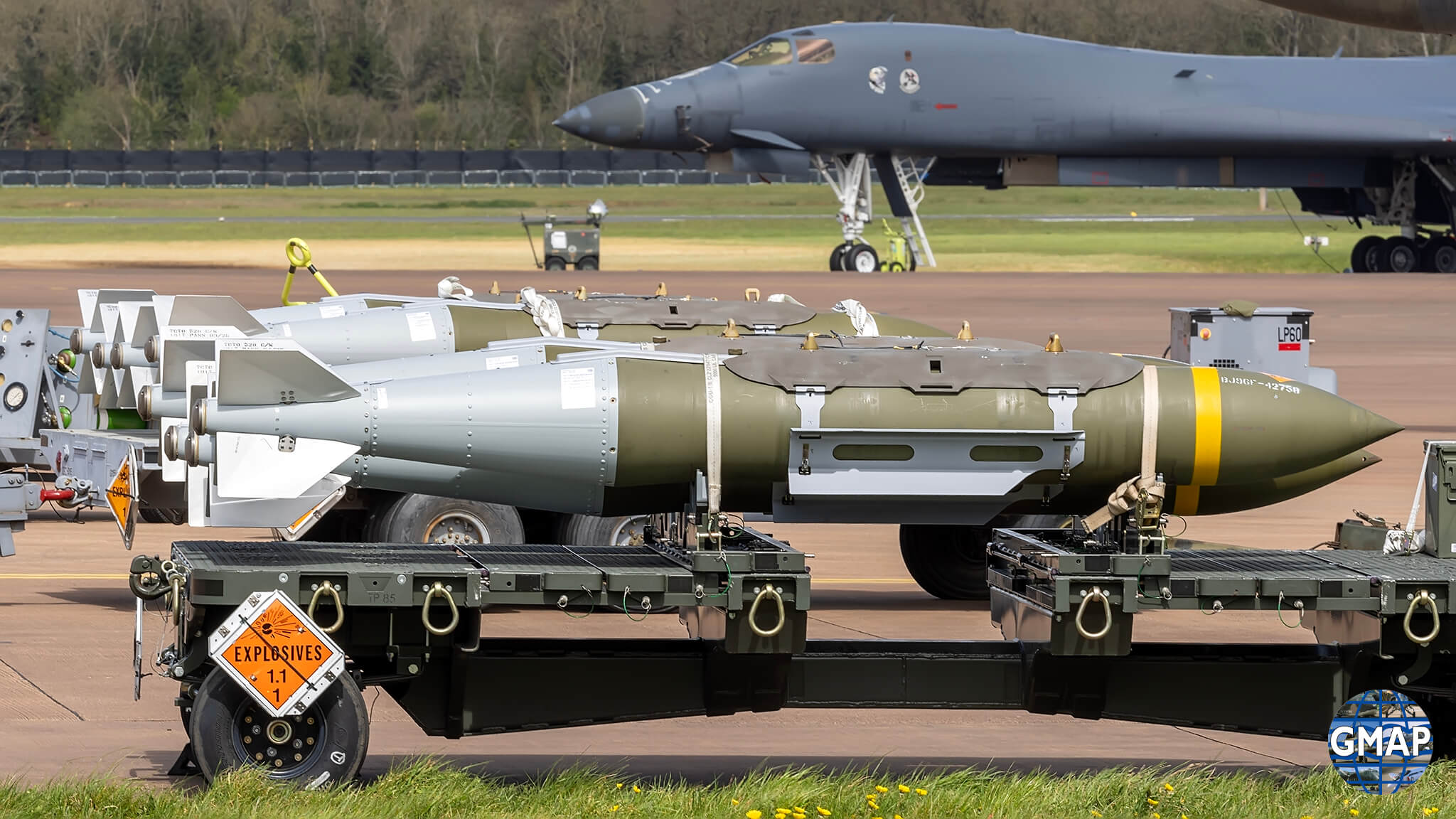
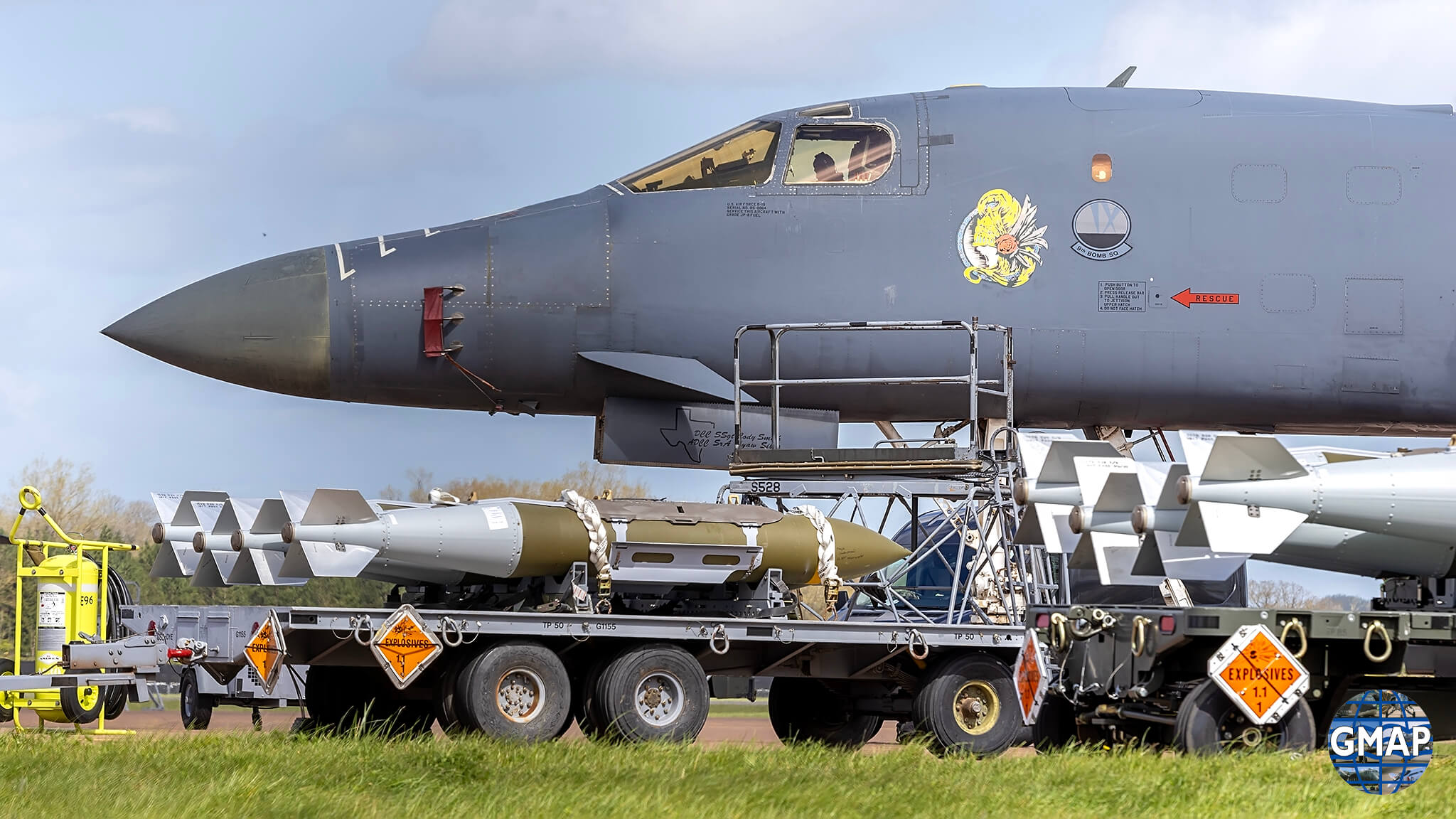
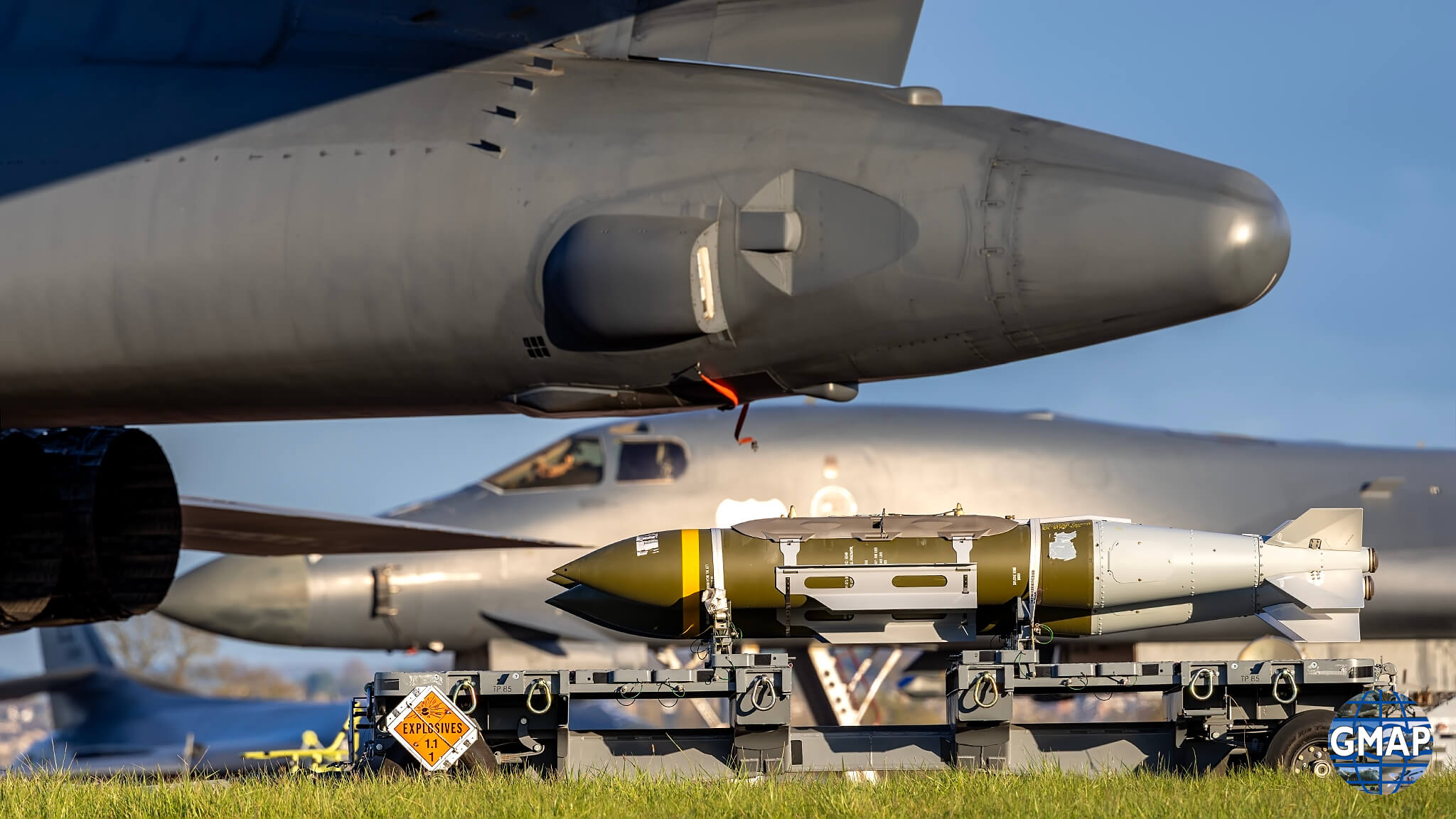
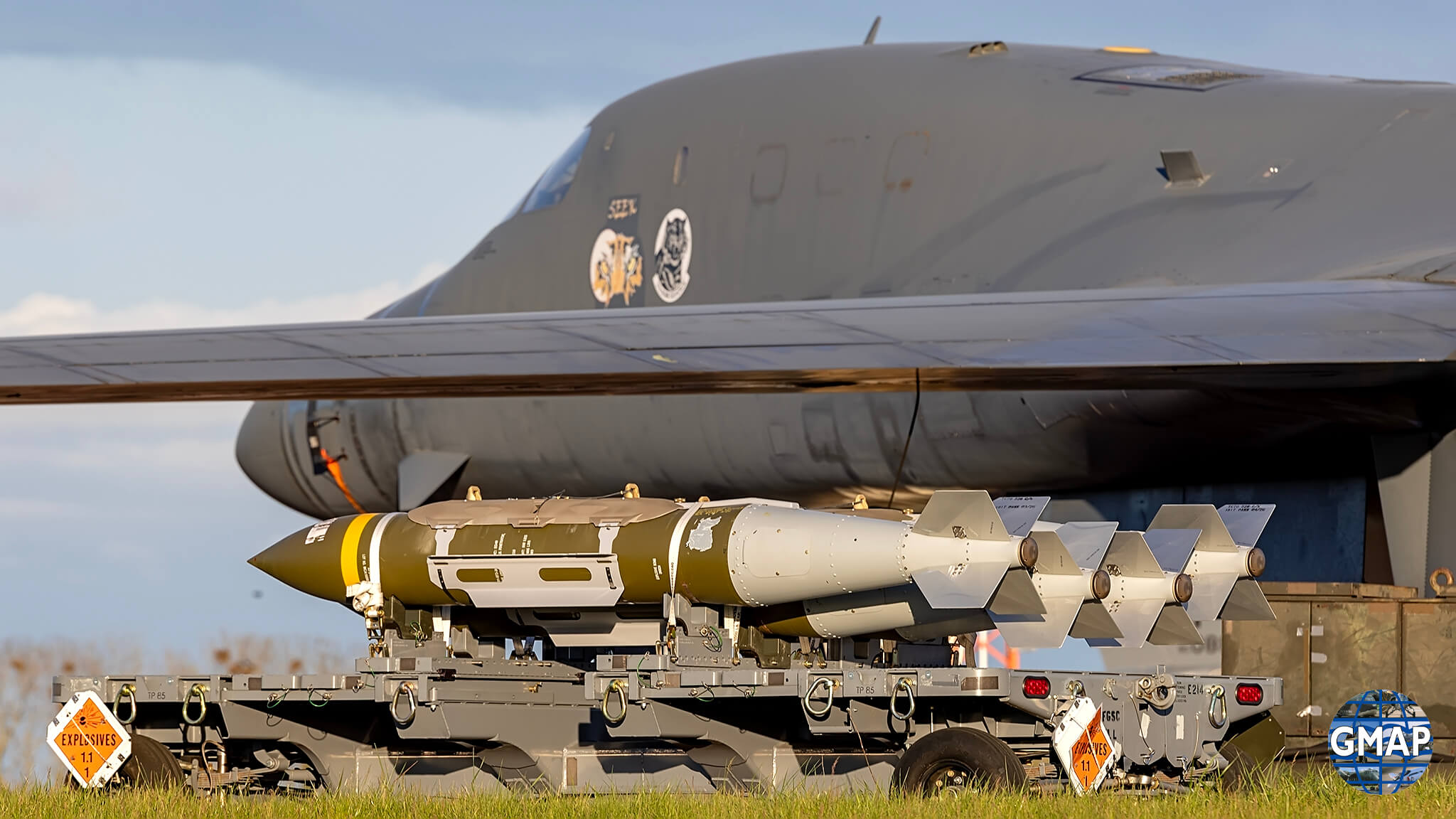
From Fairford, bombers conducted long-range strike missions into the Middle East. On one of the most intense days of the campaign, multiple B-1B aircraft launched from the base carrying cruise missiles, contributing to a surge in strike activity.

These operations highlight the strategic advantage of Fairford:

  • Reduced flight time compared to launching from the U.S.
  • Persistent presence near the operational theater
  • Rapid re-arming and turnaround capability

Aircraft in the Epic Fury Rotation

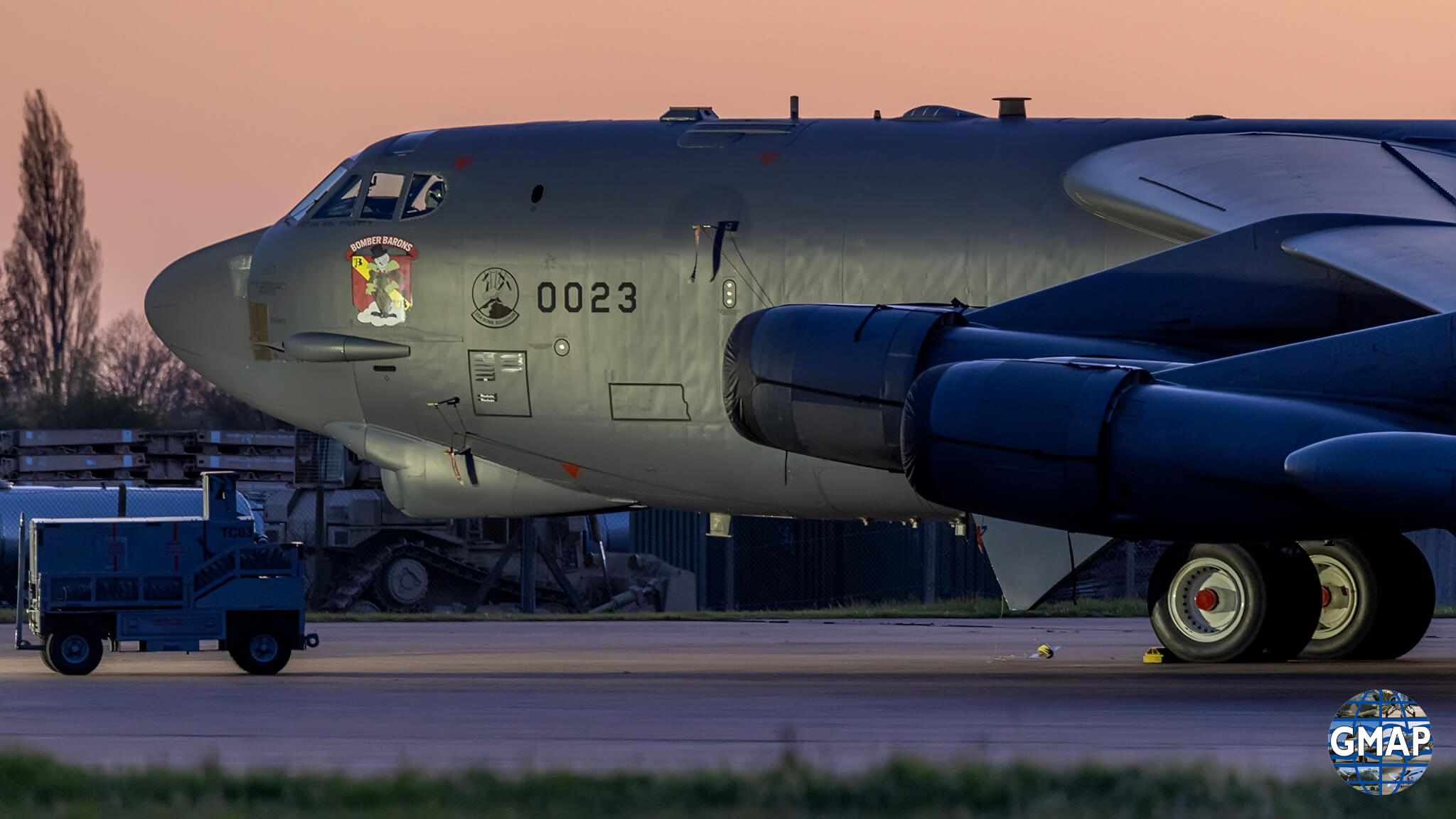
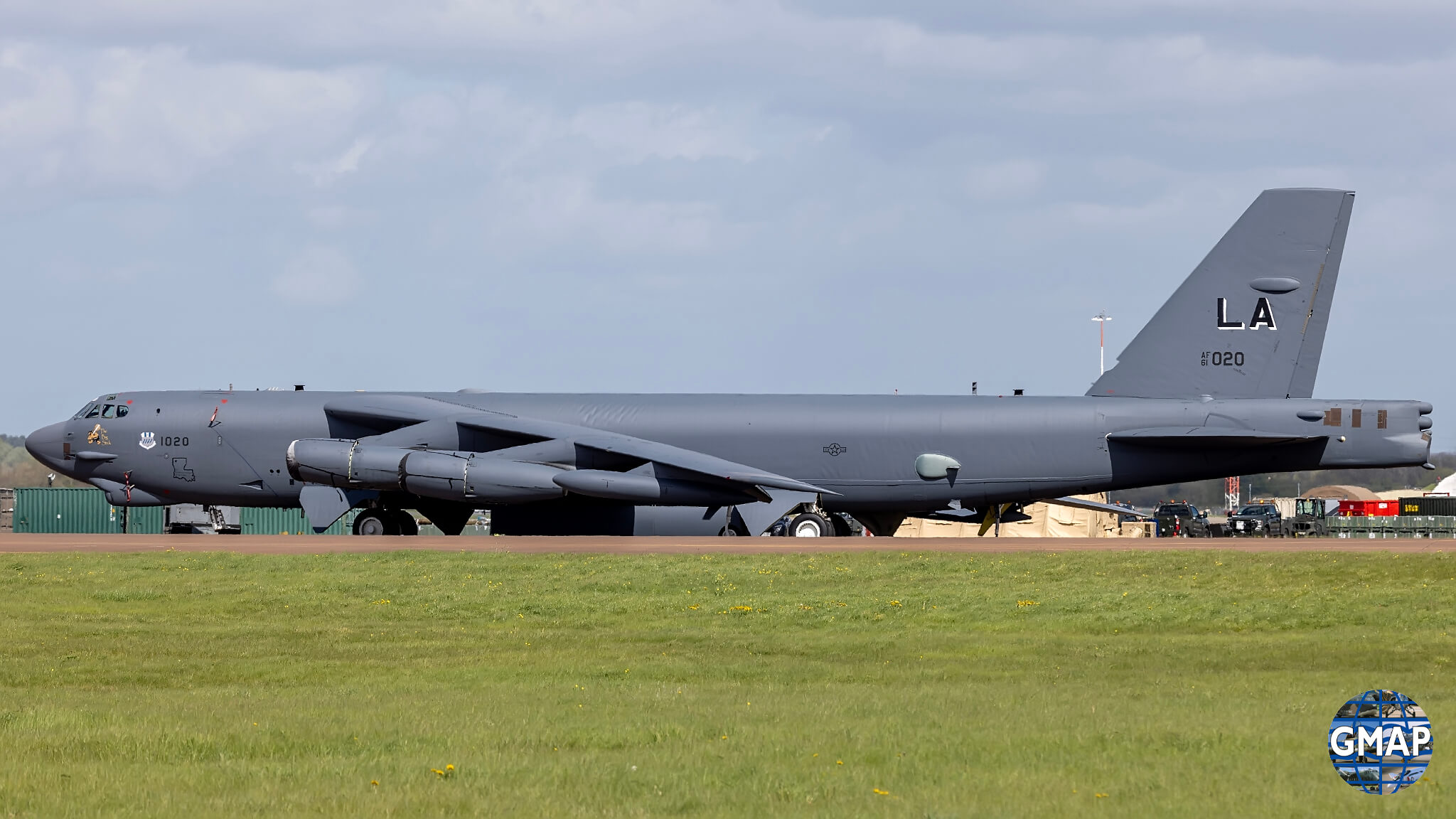
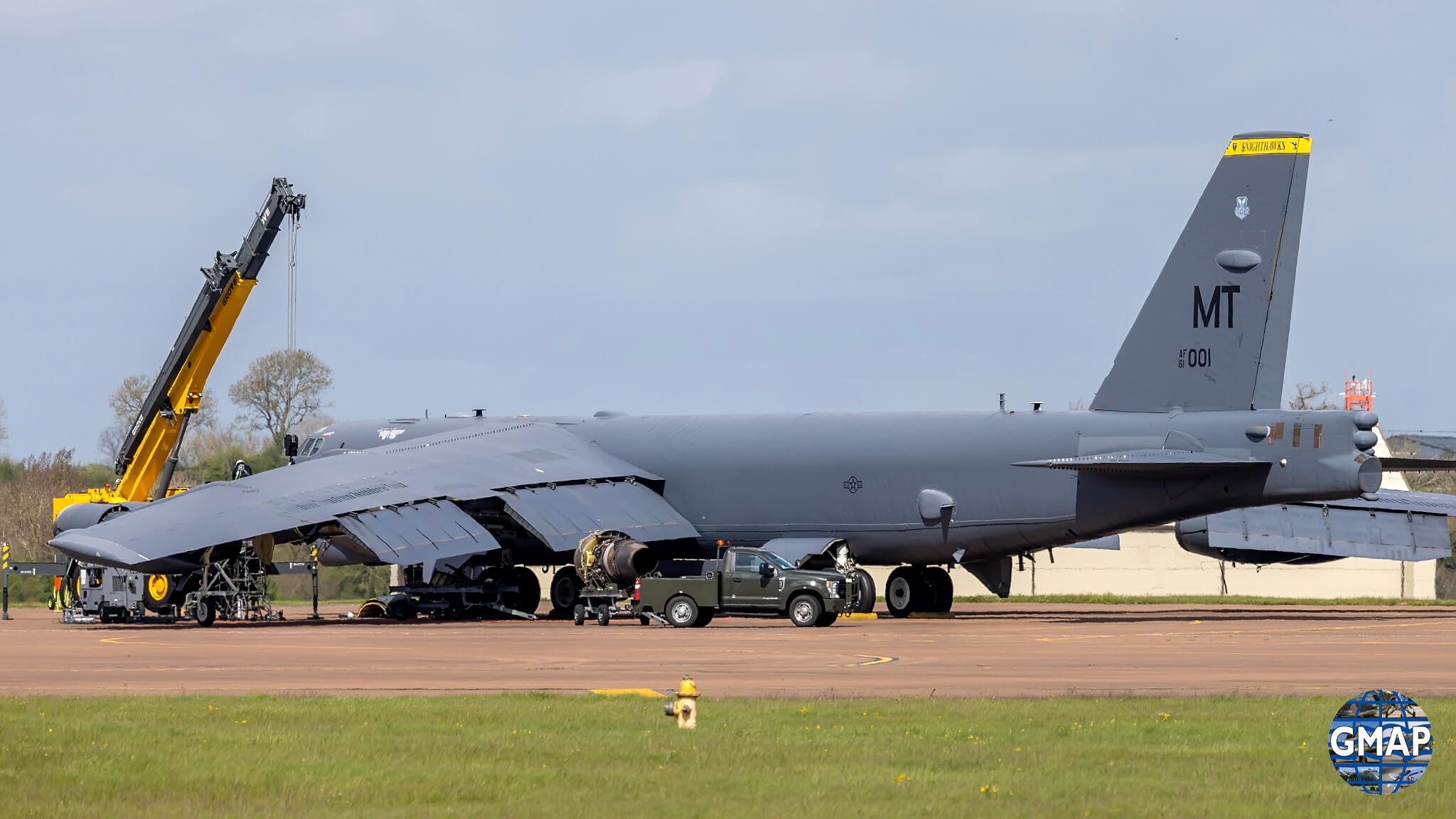
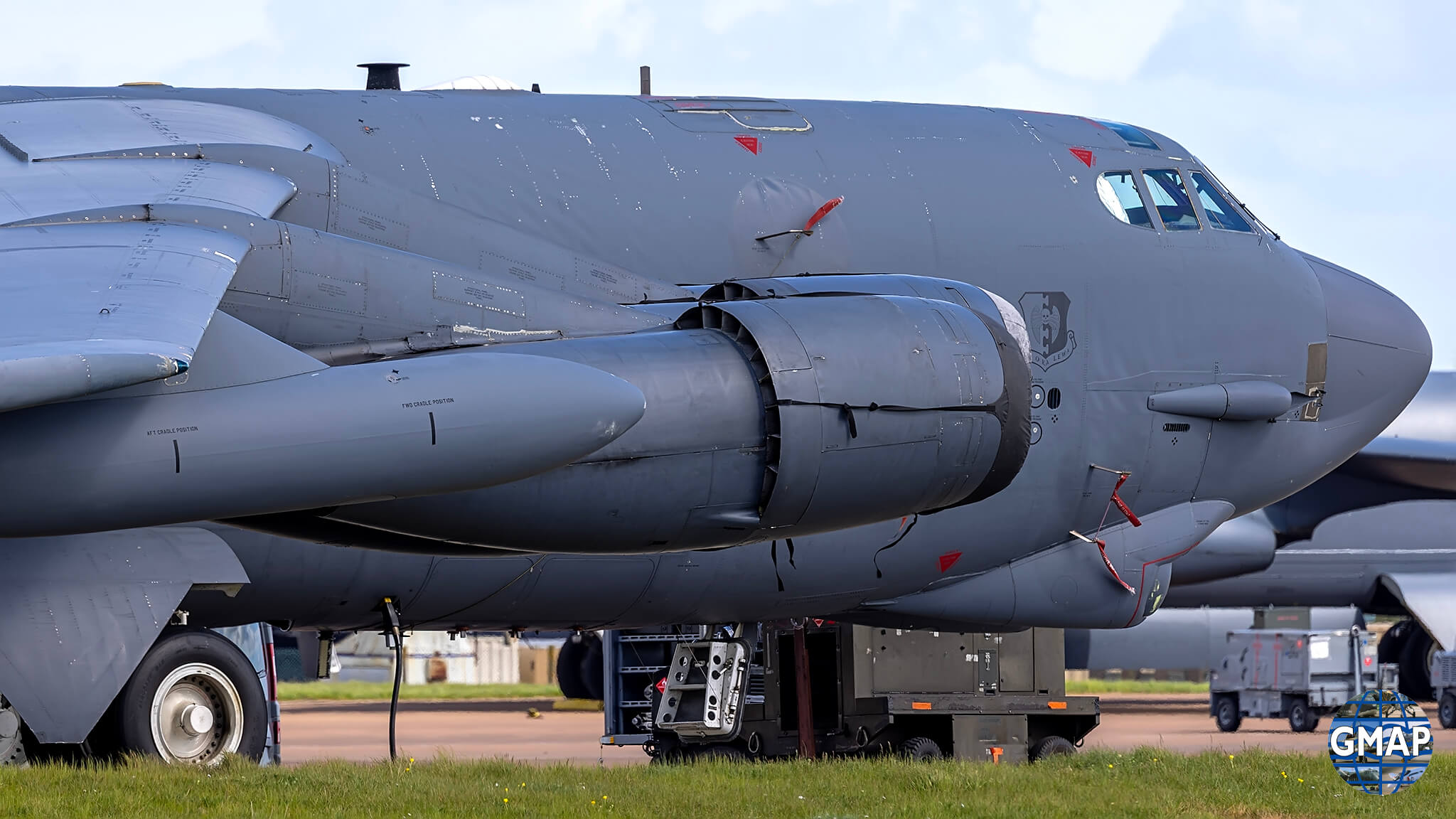
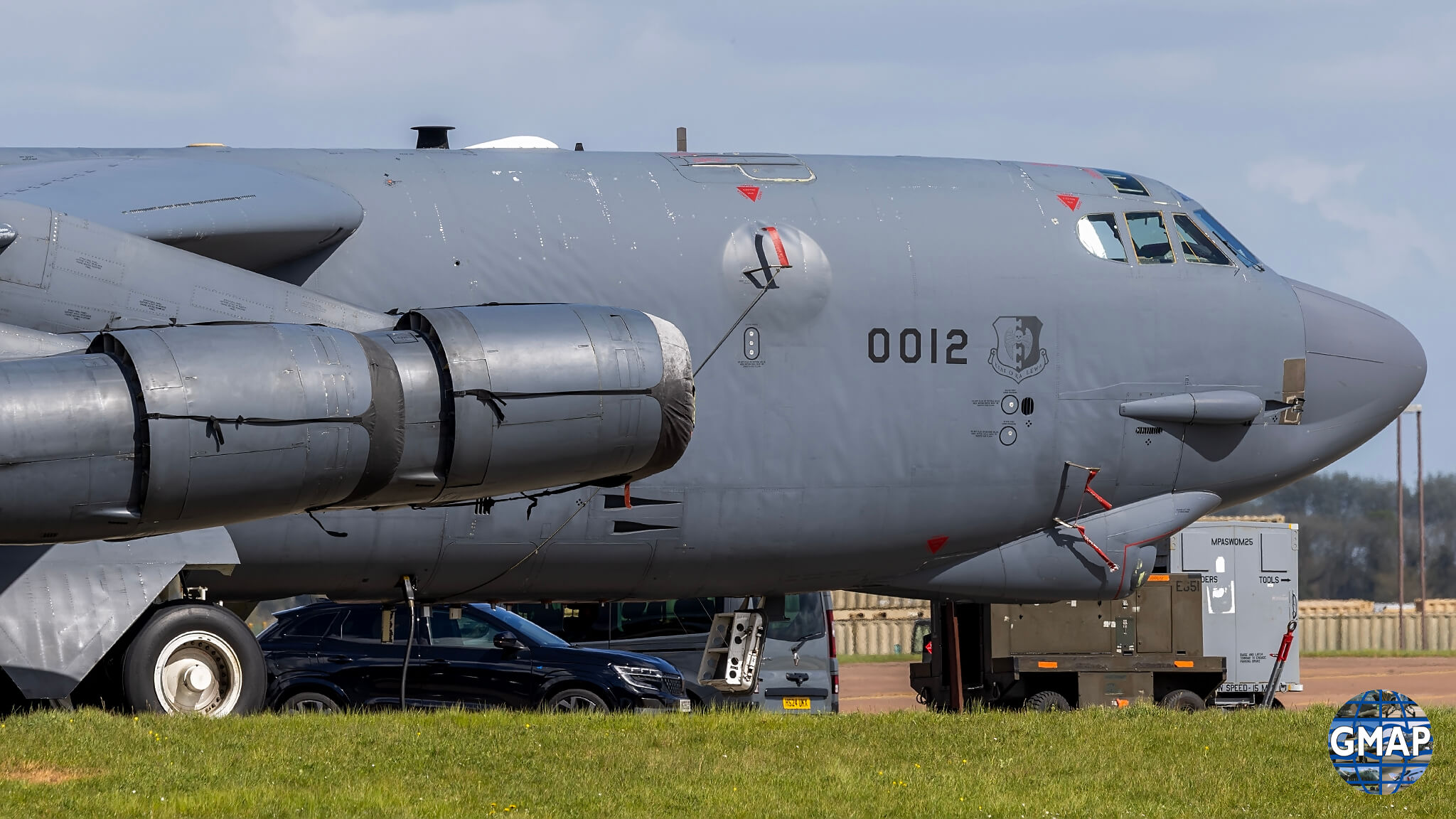
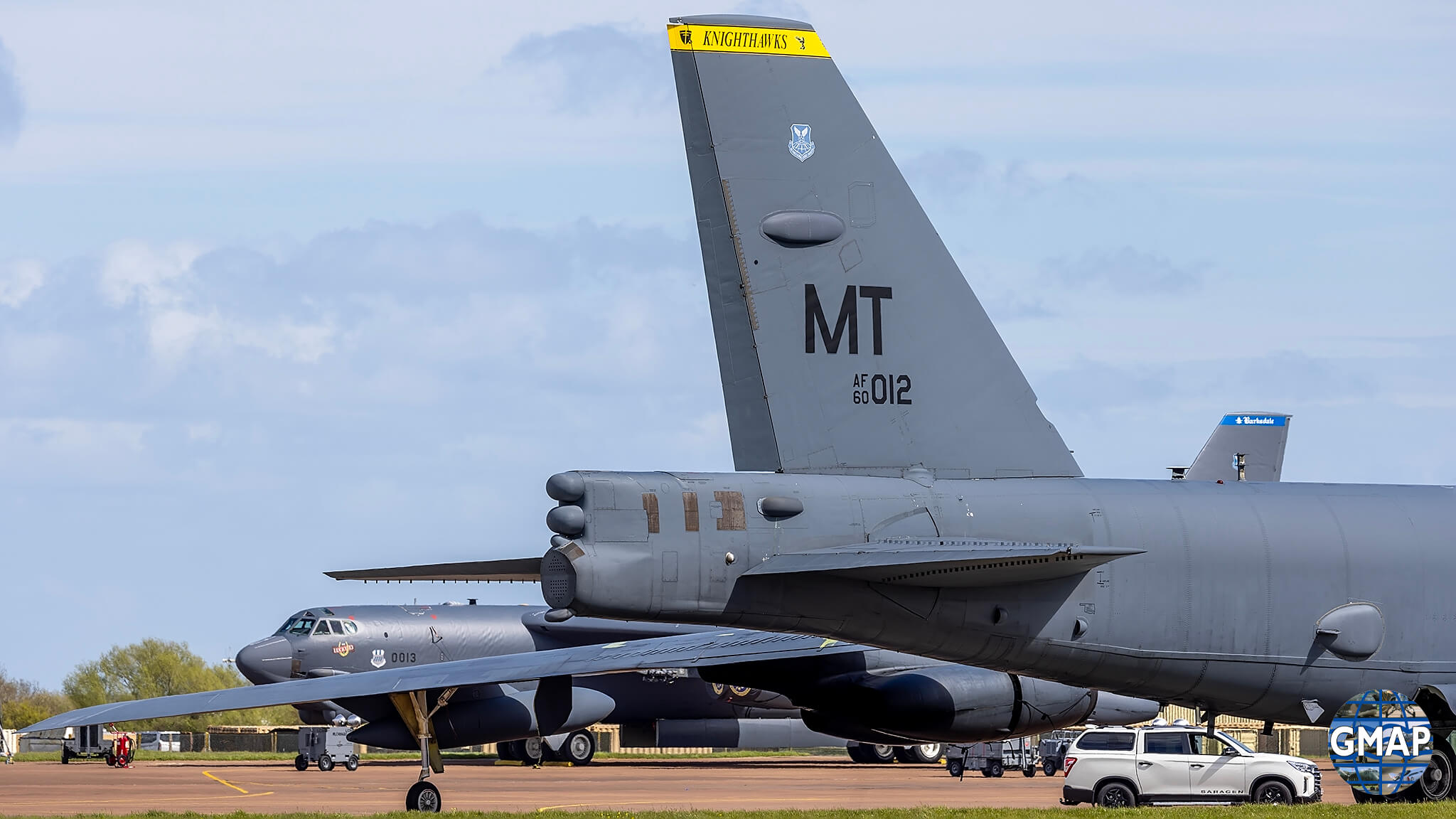
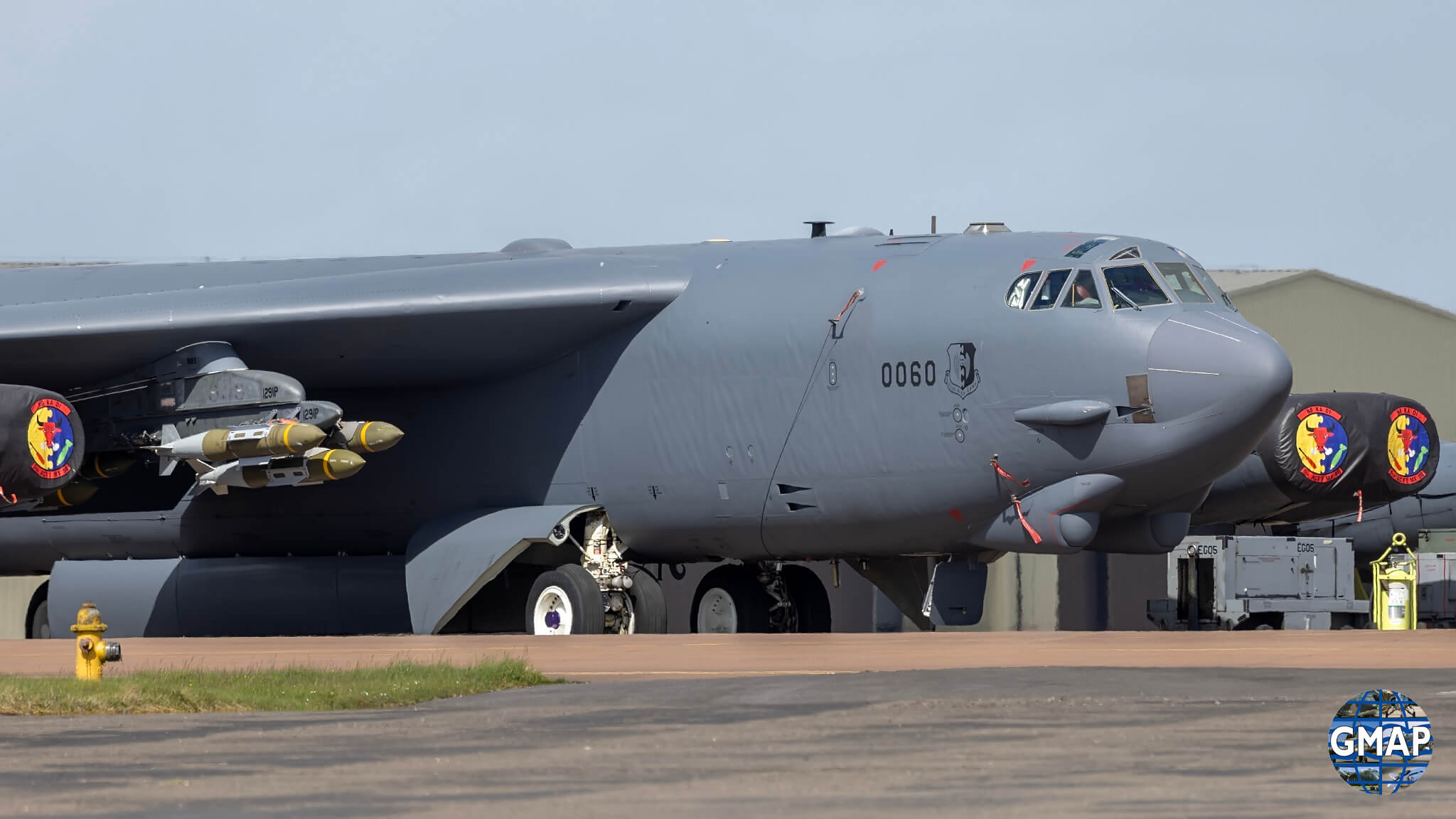
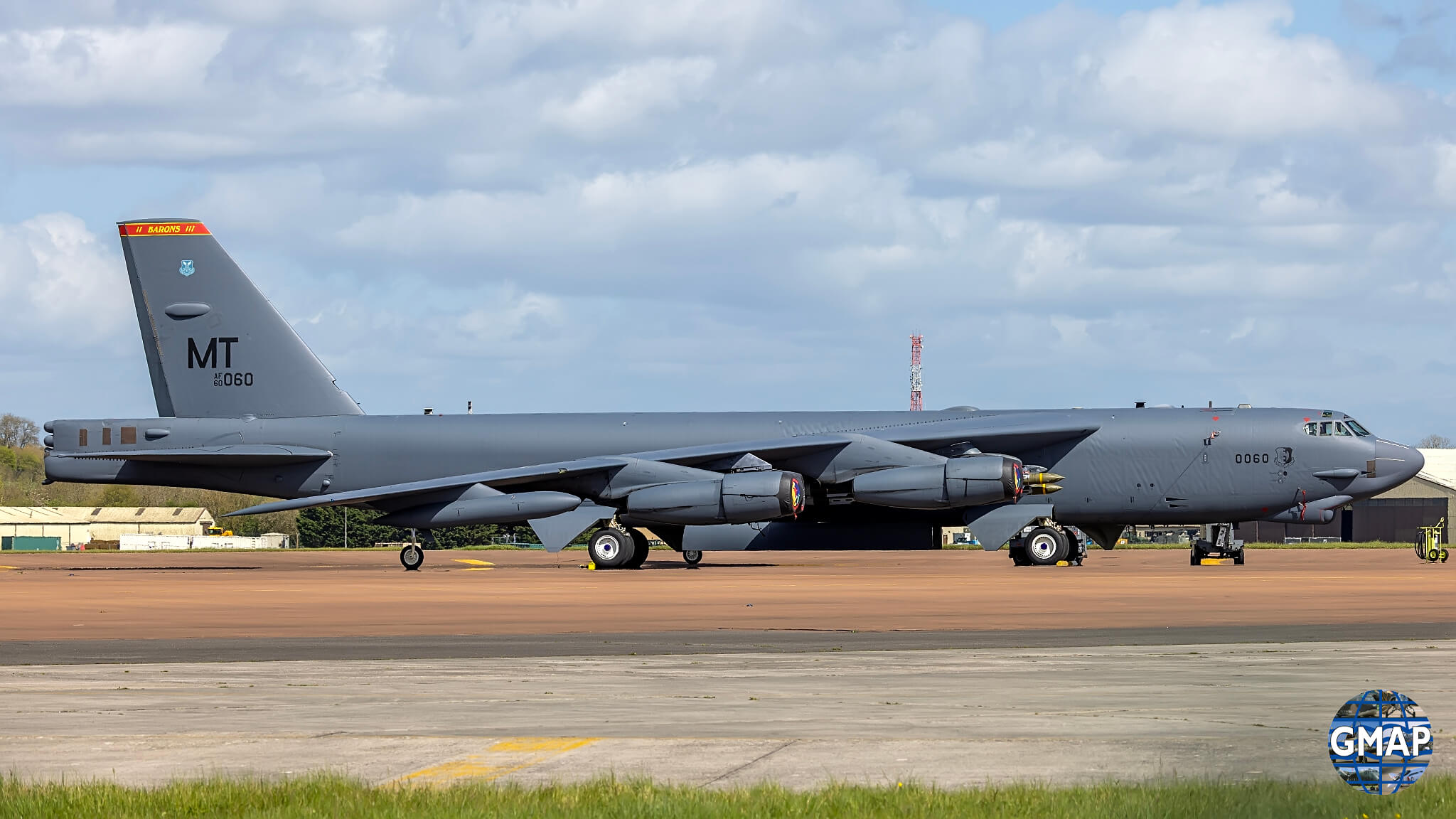
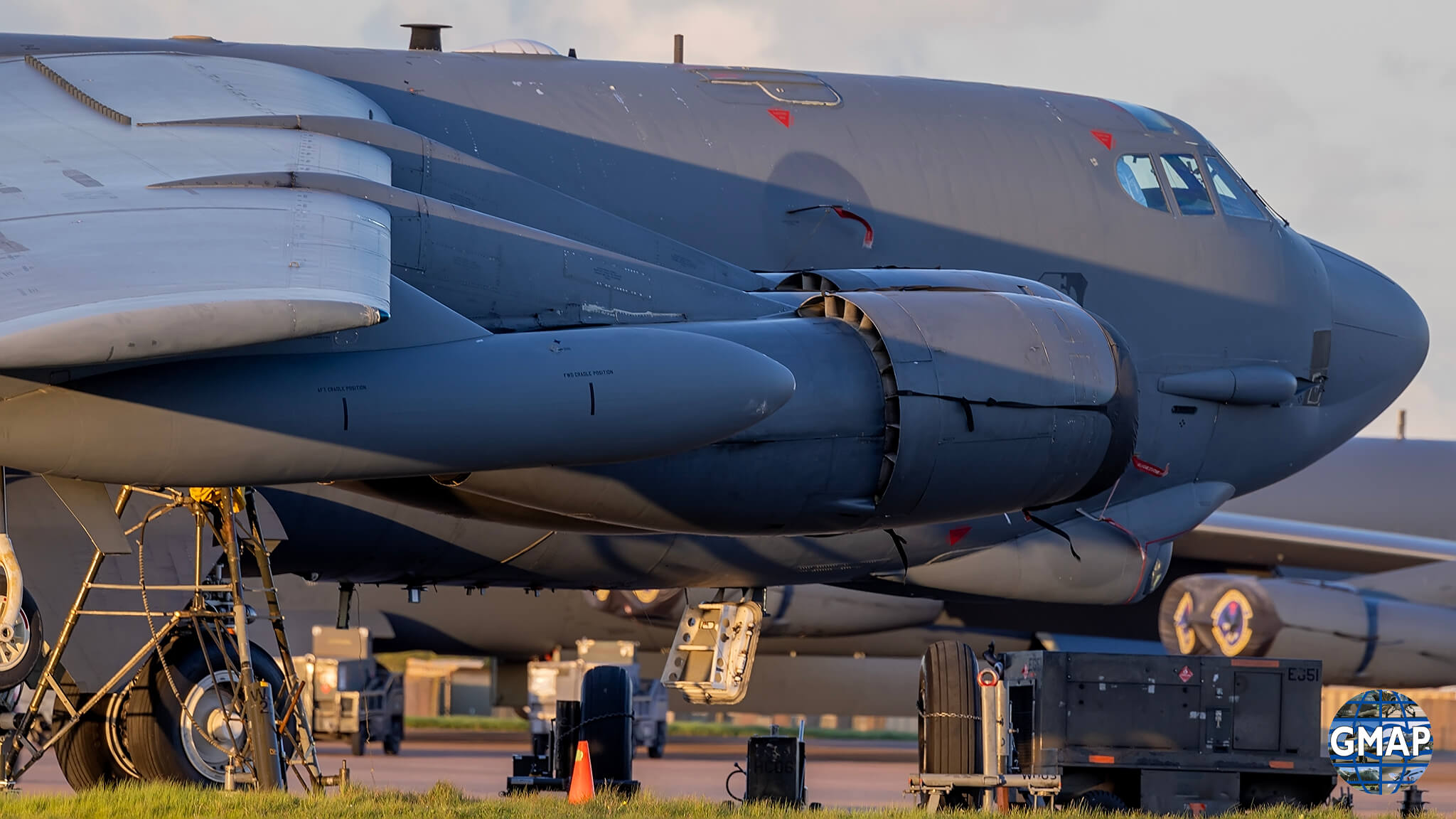
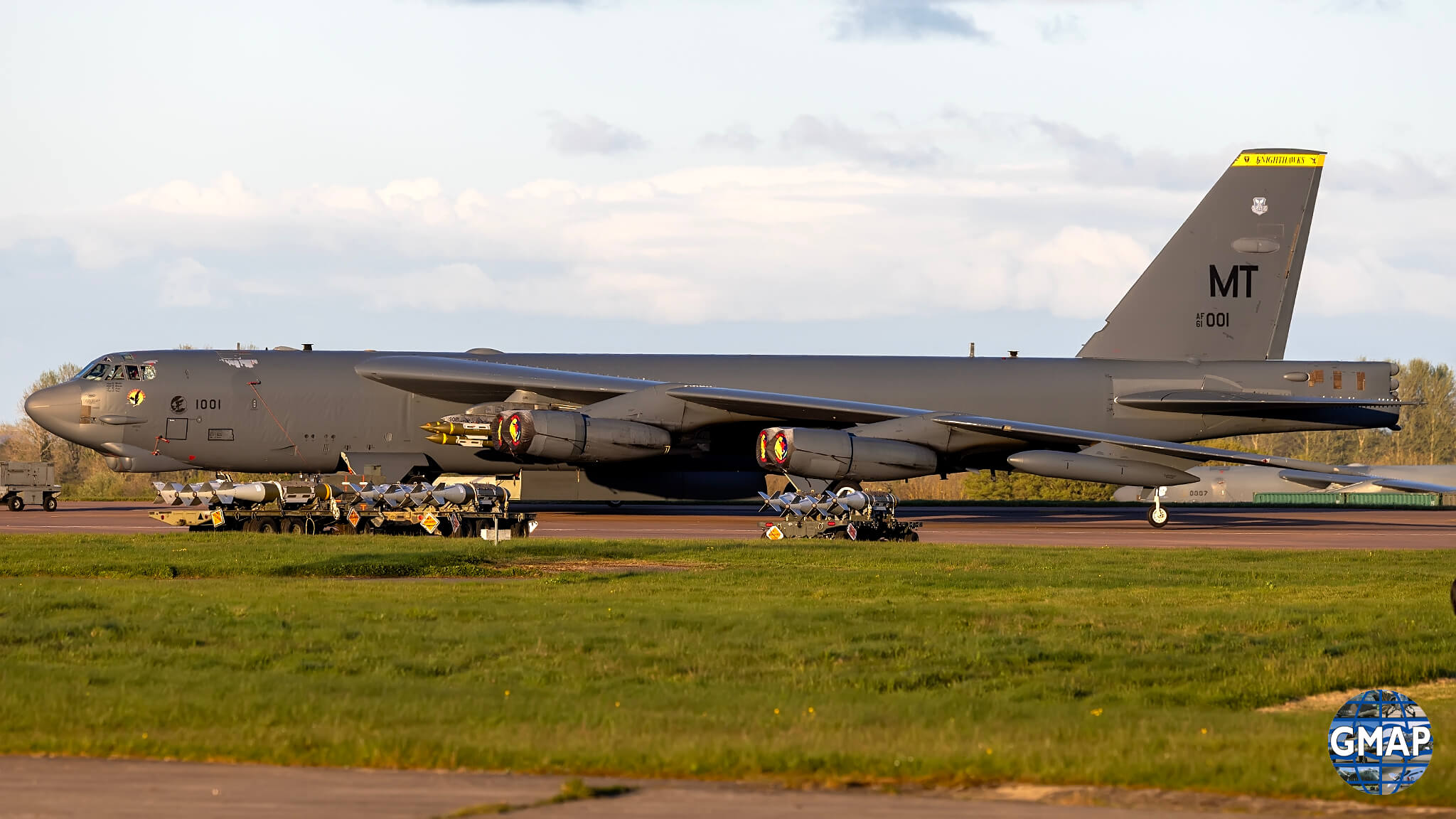
The bomber force operating from RAF Fairford has included a mix of U.S. strategic assets:

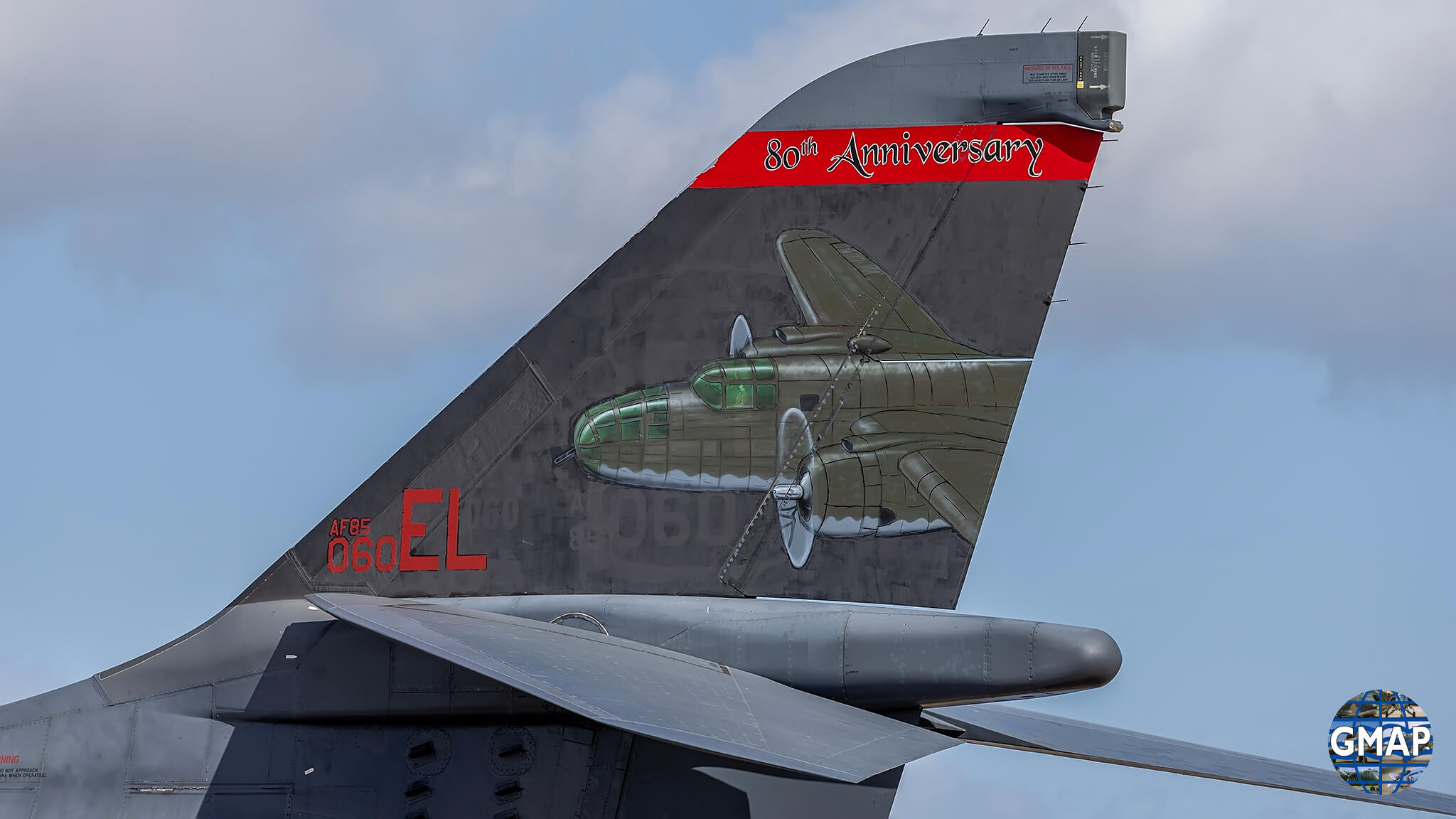
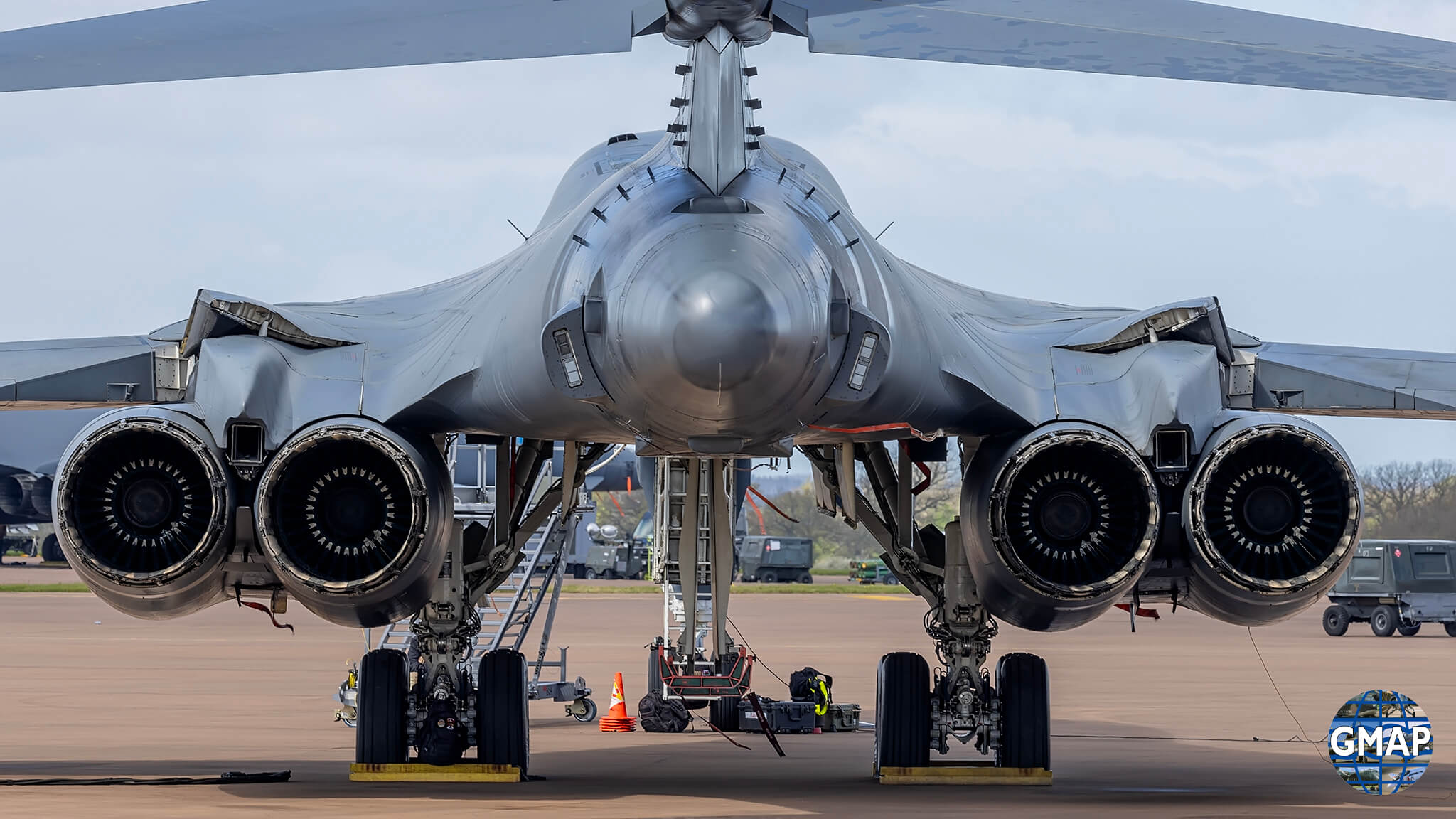
  • Rockwell B-1B Lancer – Primary strike platform during Epic Fury, capable of carrying large payloads of precision-guided munitions.
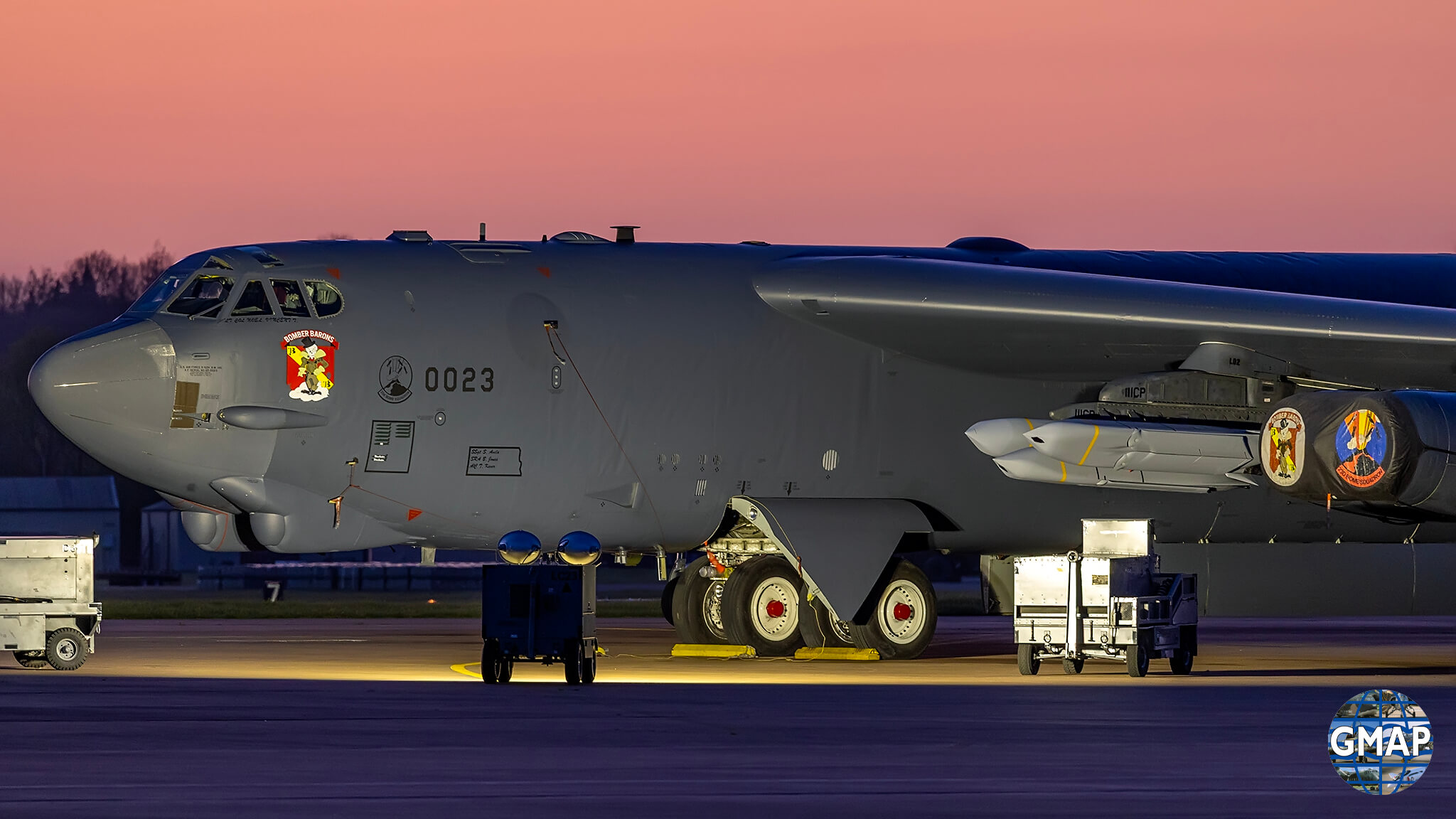
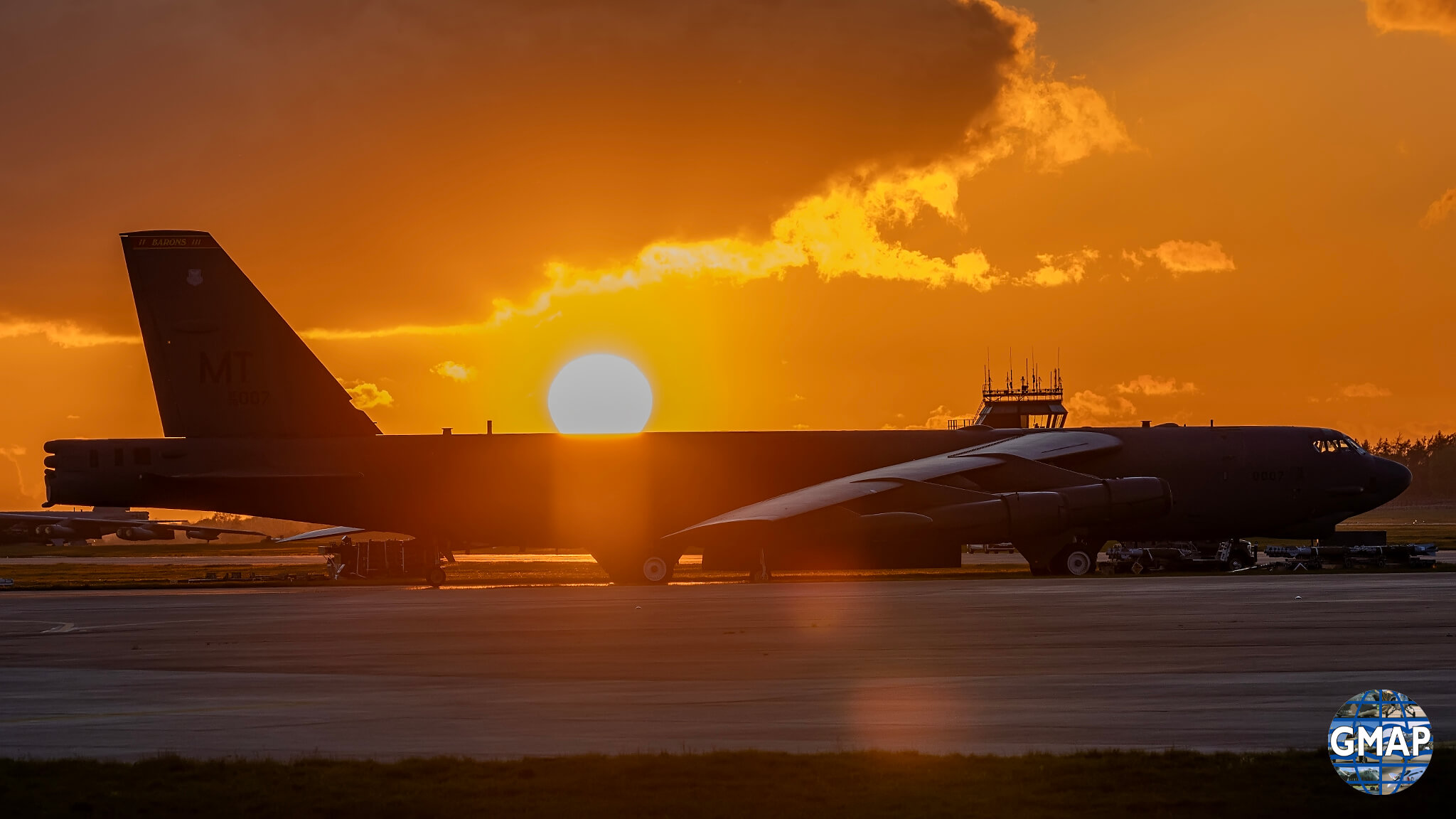
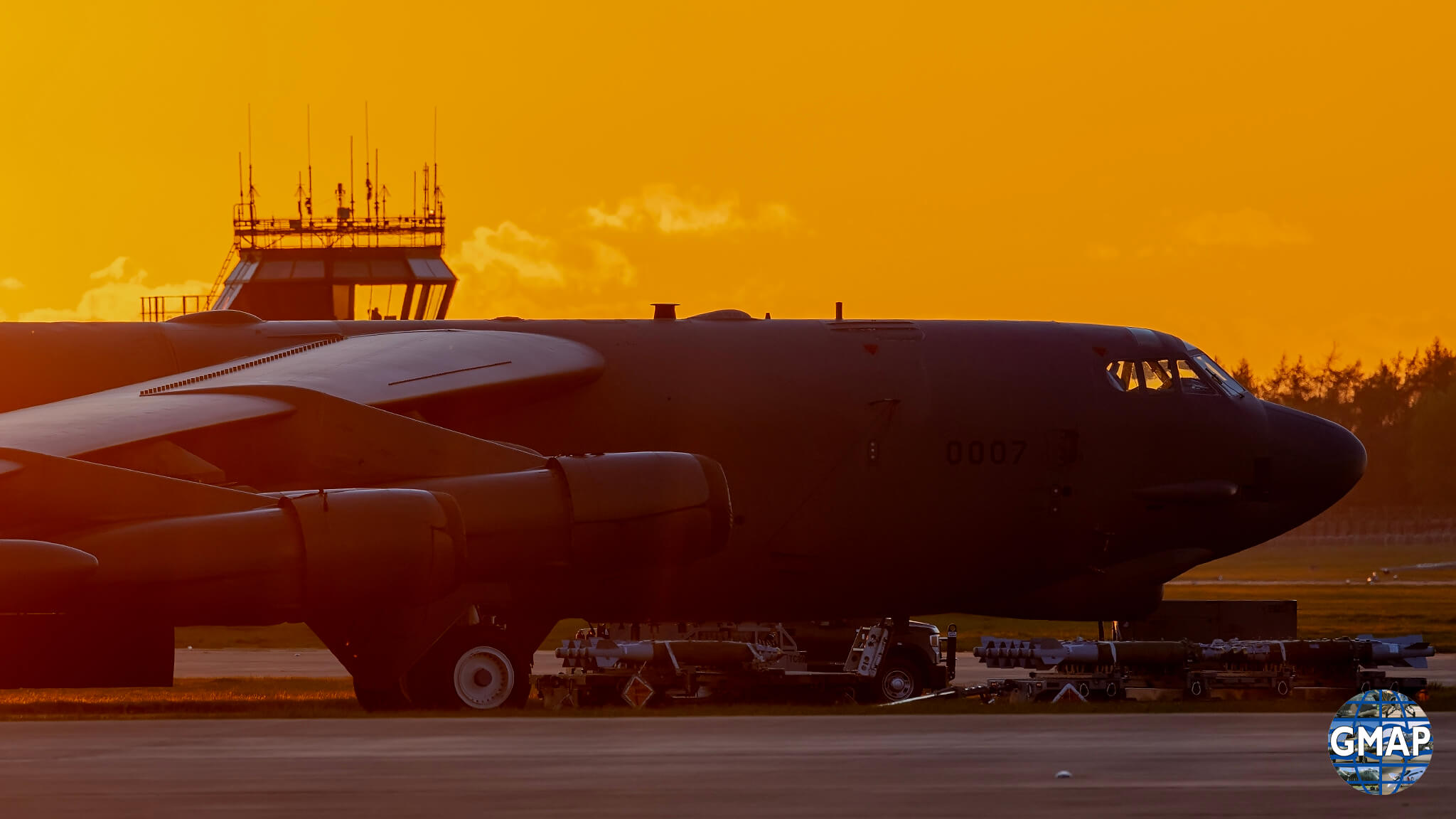
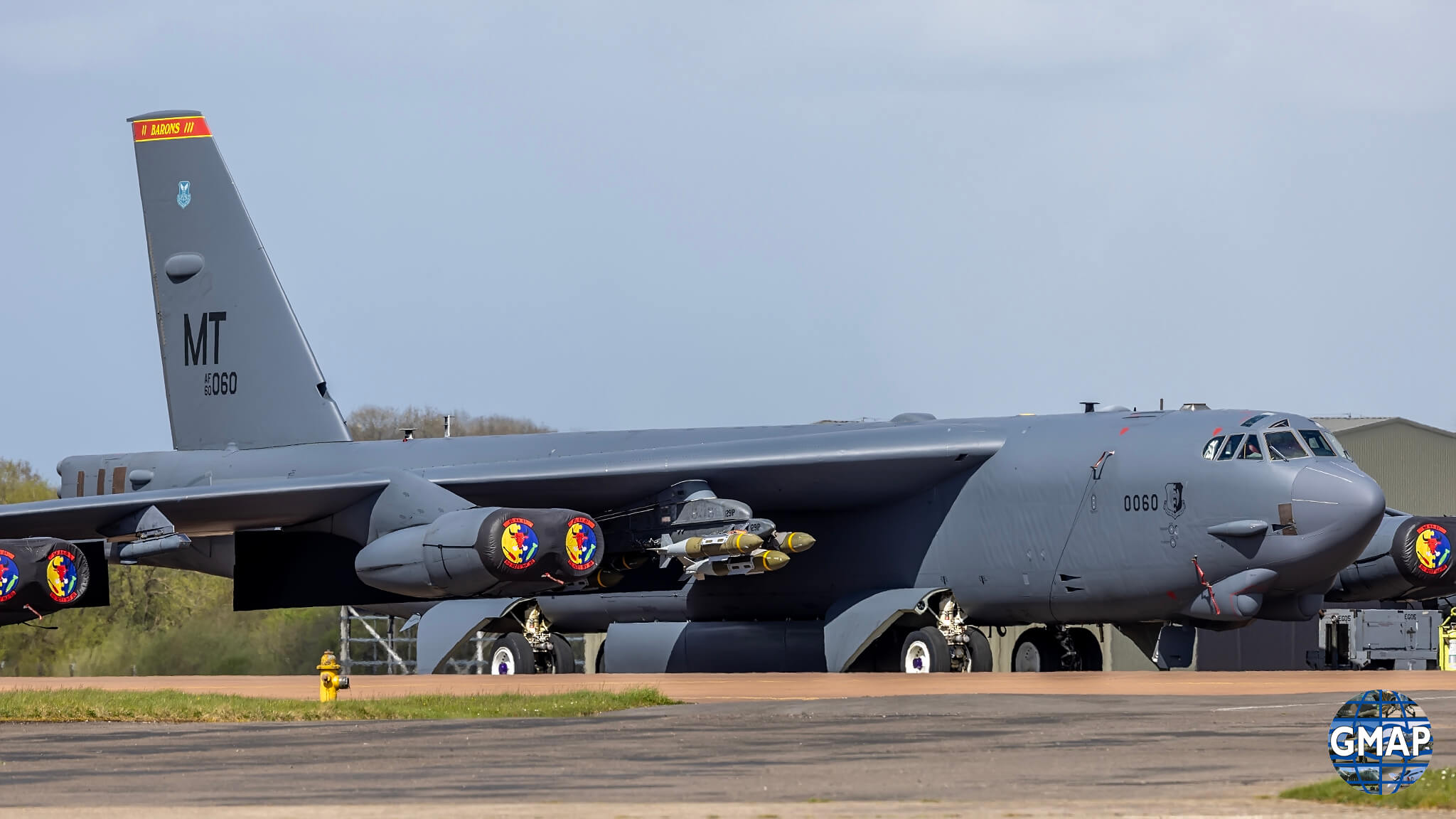
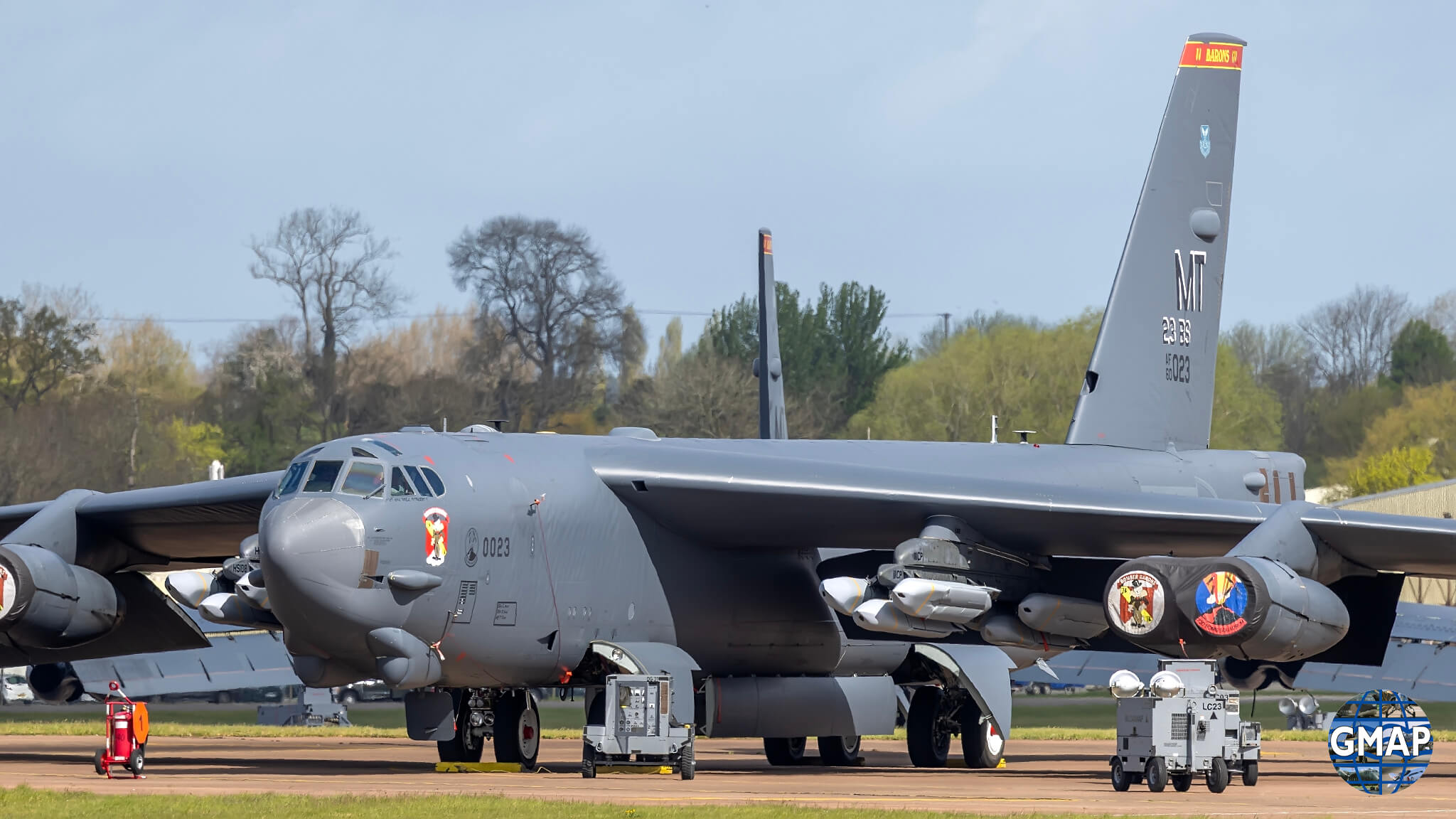
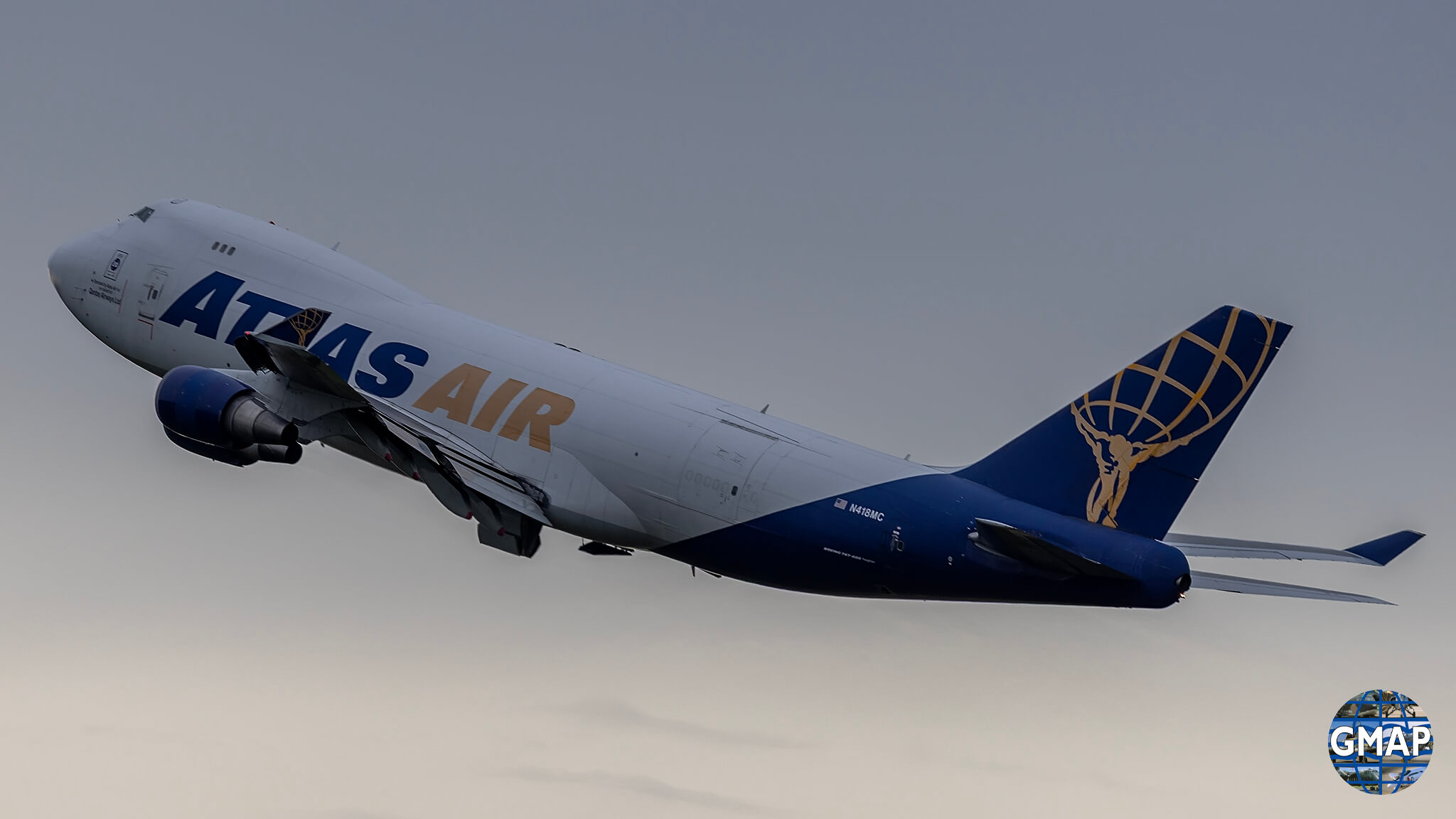
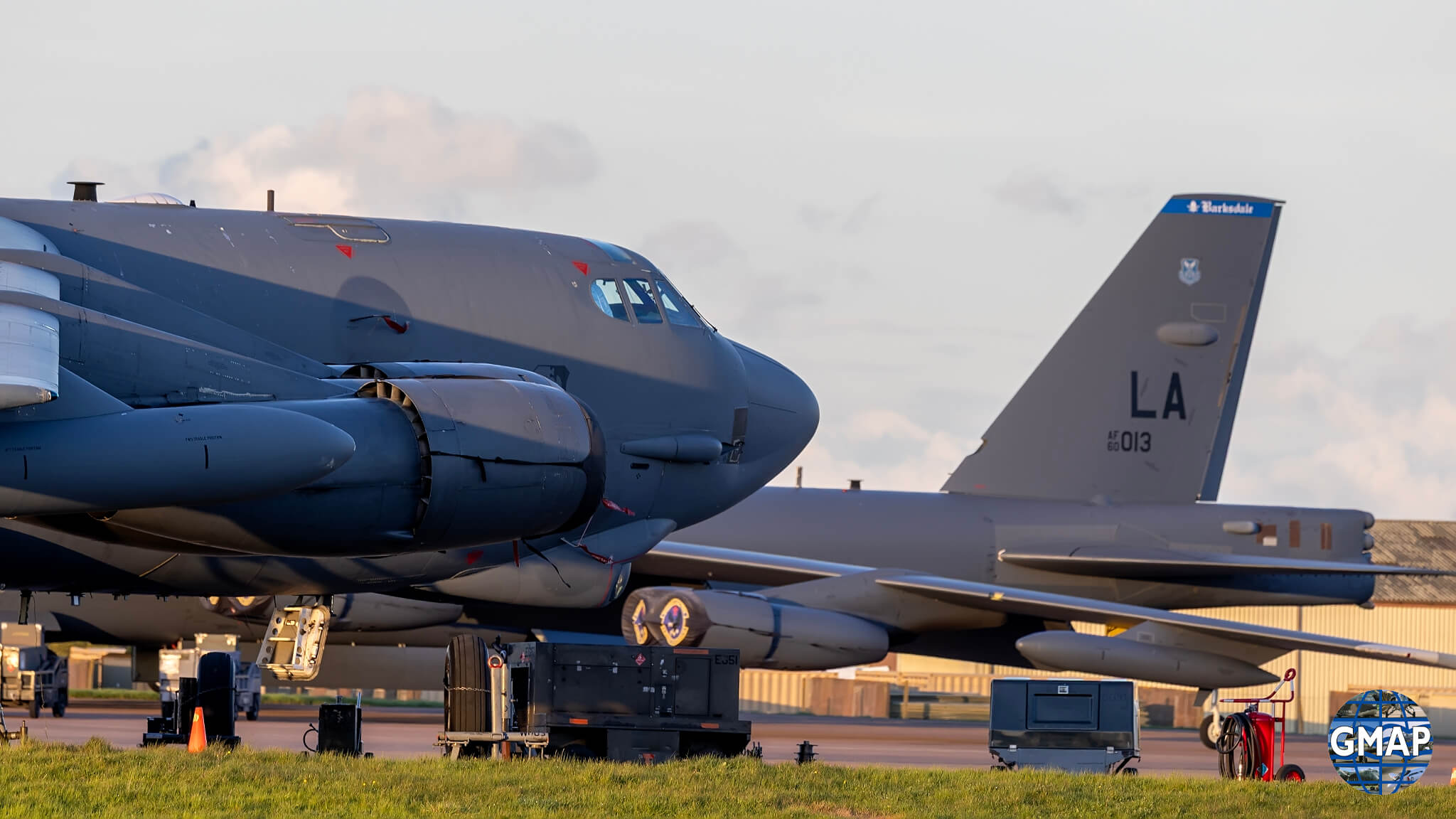
  • Boeing B-52 Stratofortress – Long-endurance bomber used for both strike and deterrence missions.
  • Northrop Grumman B-2 Spirit – Occasionally involved in high-value precision strikes requiring stealth penetration.

Together, these aircraft form a layered strike capability, combining range, payload, and survivability.

Operational Impact and Controversy

The use of RAF Fairford for active combat missions has not gone unnoticed. The deployment has sparked political debate within the UK and protests near the base, reflecting broader concerns about involvement in overseas conflicts.

At the same time, the base has remained fully operational despite incidents such as a recent fire on-site, which caused no disruption to aircraft operations.

RAF Fairford’s role in Epic Fury reinforces its long-standing importance in global airpower. From the Gulf War to modern Bomber Task Force deployments, the base continues to serve as a launchpad for strategic reach and rapid response.

As geopolitical tensions evolve, Fairford is likely to remain a key node in NATO and U.S. operations—quietly positioned in the UK, but capable of projecting power across continents within hours.

The bomber force operating from RAF Fairford during Operation Epic Fury represents a modern example of expeditionary airpower at scale. With advanced aircraft, flexible deployment models, and strategic positioning, the base enables rapid, sustained operations far beyond Europe—making it one of the most important military airfields in the world today.


© GMAP.NL All rights reserved. All content on this site is the property of Global Military Aviation Photography (GMAP.NL) and is protected by U.S., Dutch and other foreign copyright and trademark laws.